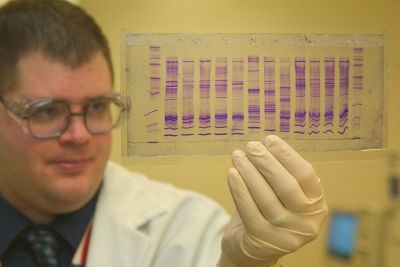
Transcription is the first step in transformation of the DNA code into actual molecules. Nature has equipped DNA with a system of checks and balances to ensure that transcription is well-regulated, and scientists are elucidating relevant structures.

Researchers are studying a new type of chromosome to better understand how it influences speciation and evolution.
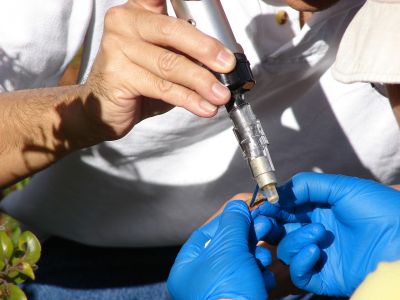
Researchers are revealing key areas for improvement in the manufacture of bioproducts.
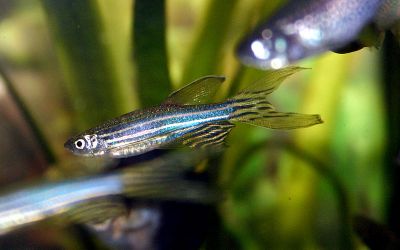
A European research team used zebrafish as a model organism to investigate how neurons develop with a specialised cover known as myelin.
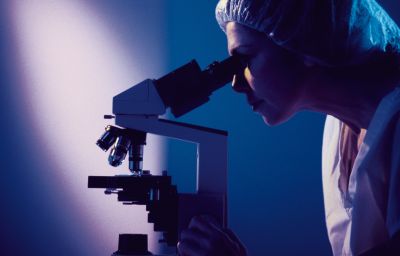
Trypanosomiasis, also known as African sleeping sickness, is a fatal infection caused by the parasite Trypanosoma brucei. A European study investigated how Trypanosoma brucei evades immune attack.

The circadian or body clock is a 24-hour cycle that regulates various physiological processes. Understanding how circadian oscillations extend to metabolism was the subject of a European study.

Scientists studied traditionally Arctic-breeding geese that managed to reproduce successfully in new temperate regions. They investigated physiological trade-offs that the geese make to thrive in Arctic vs. temperate Central Europe habitats.
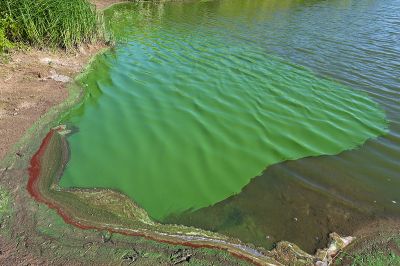
Phytoplankton form the basis of the oceanic food web and sustain themselves using sunlight for photosynthesis and nutrients from the surrounding water. However, a rapid increase in phytoplankton can result in harmful algal blooms (HABs) that release toxins into the marine environment.
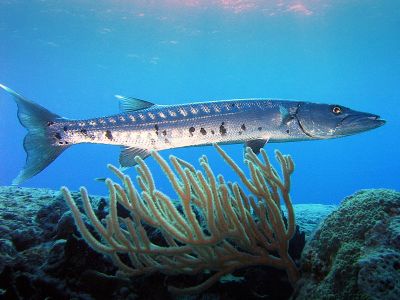
A recent research project has investigated whether invasive fish species can influence native species through pheromone signalling.

AN EU-funded project has studied the genetics of a common fungus to find evidence of speciation driven by environmental changes.

Researchers in Sweden studied interbreeding in flycatchers to better understand how species evolve in real time.

Canadian and European scientists have identified microbes that could be used to protect tree and plant ecosystems from disease and pollution.

Thanks to new research into roots and signalling molecules, scientists are one step closer to understanding plant responses to herbivory.

New research has revealed specific genes and proteins that help trees protect themselves against drought stress.
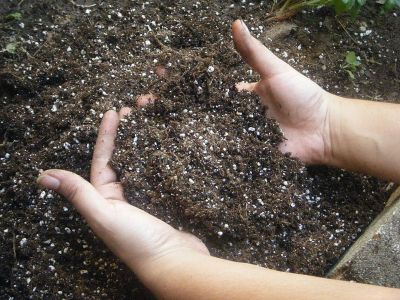
Researchers have advanced a new method to help map soil microbe networks in great detail.

New research has shed light on the important ecological phenomenon of phytoplankton host–virus interactions.

Smell is an essential sense that allows animals to detect food, predators and mates. The elucidation of the underlying neural functions is critical for understanding smell processing.

Understanding the mechanisms that drive biodiversity and species richness is critical to plant conservation in the face of climate change. However, these mechanisms remain one of biology's great unsolved mysteries.

Researchers in Europe are creating a framework to transparently overview the evidence base on impacts of genetically modified organisms (GMOs) and are evaluating the design and necessity of animal feeding trails and alternatives for the risk assessment of GMOs.
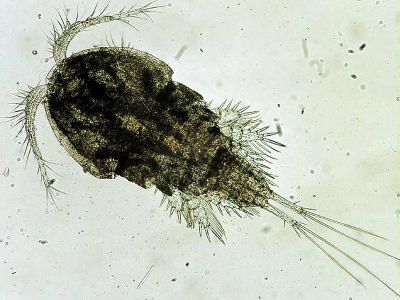
Researchers in the EU have investigated how symbiotic marine microorganisms work together to harvest gaseous nitrogen into a form they can use.
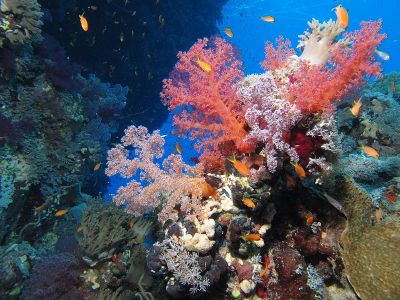
A new pan-European network of expertise and specialist facilities is set to position the EU as a global leader in marine research.

Researchers have advanced our understanding of partial migration in a common fish species.
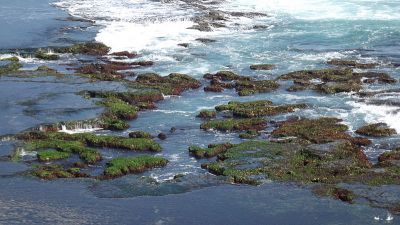
Researchers in Greece are cultivating and processing microalgae as a source of new chemicals and enzymes for cosmetic products.
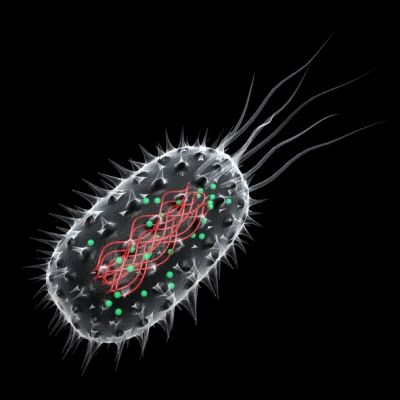
A European study investigated the mechanisms by which antibiotic-resistant bacteria evolve. The genetic determinants of this process could have important implications for the spread of microbial resistance.
Researchers have studied the genetics of iron metabolism in phytoplankton, comparing a recently discovered microalga with a number of other marine microorganisms.
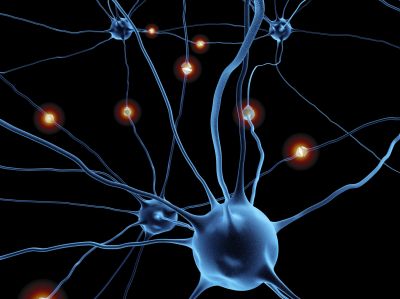
Neuronal cells have strange branching extensions with little knobby bulbs on them called spines, the places where one neuron communicates with another. In pioneering work, scientists have stimulated individual synapses and imaged spine changes.

Researchers have advanced our understanding of the genetics behind the structure of plant cells in aid of future biotechnologies.
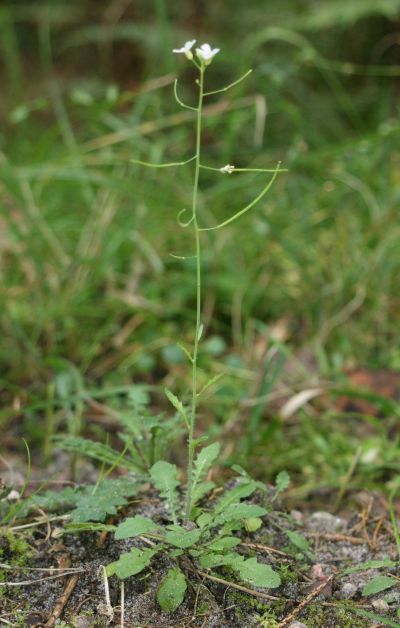
A recent research project has taken a step towards understanding electrical signalling in plants.
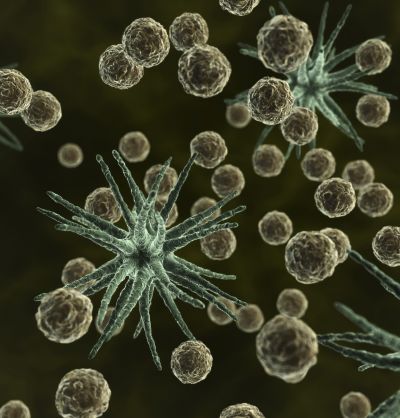
Light and matter interact in exciting ways inside nano-optomechanical systems. Revolutionary nanowire-based devices exploiting the quantum force of light promise to enable ultrasensitive detection of molecular motions in living cells.
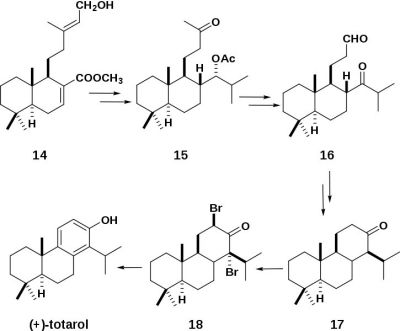
EU-funded researchers have developed a new modular type of catalyst that will make the synthesis of complex chemicals (such as pharmaceuticals) cheaper and quicker.
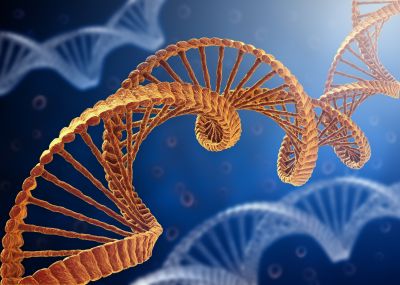
Heterochromatin is a tightly packed form of DNA that is essential for cell survival. A European backed project is investigating the molecules that control its formation and maintenance.
A recent project has developed mathematical models to reconstruct biological networks such as those used to understand cell biology and evolution.

A European ICT for Health project aims to improve the quality of life of patients with chronic liver disease, by developing a remote support system to monitor their condition at home.
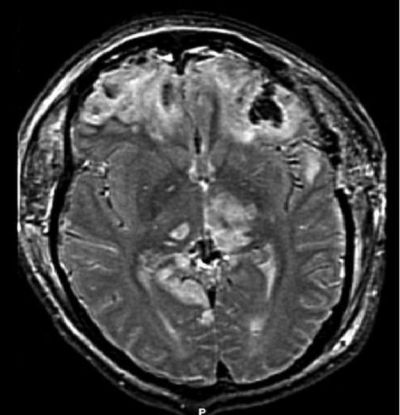
Most people who suffer a severe brain injury take years to recover – if they recover at all. But the right treatment in the crucial hours following an accident can make all the difference. Now an EU project is building sophisticated new computer models potentially able to improve diagnosis and predict the outcome of treatments.

Our life expectancy lengthens and members of the ‘silver generation’ make up an ever-larger proportion of the population. Can technologies help us in caring for ourselves, our older relatives and friends? Could we learn to live together with robots while being watched over by sensors? The people behind one EU research project certainly think so.
The EU budget has provided more than EUR 1.9 billion for brain research since the start of the EU framework programme for research, FP7, in 2007. This has funded more than 1200 projects with more than 1500 participants from the EU and beyond. Looking back on the 'European Month of the Brain' in May, we take a retrospective look at the range of brain-related research projects the EU is funding in the field of 'Information and communications technologies' (ICT).

Some 165 million Europeans are likely to experience some form of brain-related disease during their life. As the population ages, Alzheimer's and other neurodegenerative or age-related mental disorders are affecting more people and contributing to higher health costs. Finding better ways of preventing and treating brain diseases is therefore becoming urgent, and understanding how our brains work is important to keep our economies at the forefront of new information technologies and services. EU-funded research is answering these challenges.


 EN

 CS
 DE
 ES
 FR
 HU
 IT
 PL
 PT
 РУ
 SK
 TR
 УК
 AR
 中文