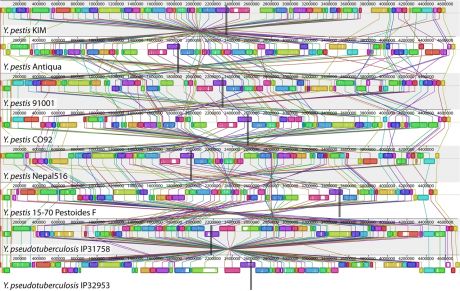
The global research community has dedicated a great deal of time and money to deciphering the human genome. An EU-funded project has applied the knowledge and tools gained in this effort to the life sciences beyond Homo sapiens.

In response to injury, skeletal muscle activates orchestrated molecular mechanisms to restore muscle architecture and functionality. Understanding how this process changes in muscular dystrophy is vital for designing novel therapies.
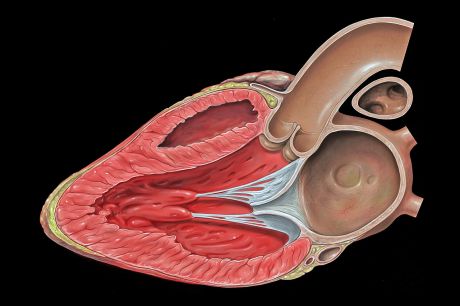
Cardiac arrest remains one of the major challenges of modern cardiology. A European consortium is working on a novel treatment based on ultrasound technology.

The spinner dolphin (Stenella longirostris) contains six groups living in particular habitats (ecotypes). EU funding supported investigation of the evolutionary mechanisms behind the different traits exhibited in these populations.
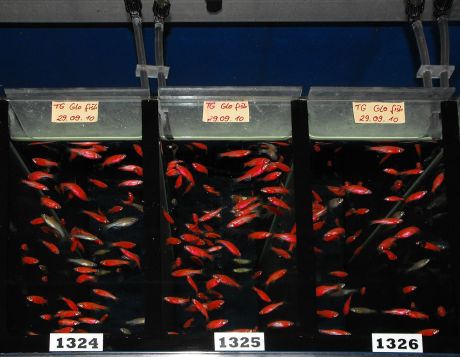
European researchers studied the process of vascular formation in zebrafish embryos. Their findings bring us a step closer to comprehending this vital process in health and disease.
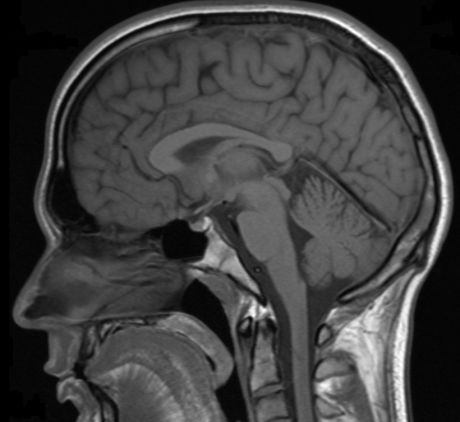
Multidisciplinary research on the workings of the brain and innovations in neuroimaging promise to support the creation of valuable research in addressing neuropsychiatric disorders.

Many fundamental questions about the biology of Neanderthals (Homo neanderthalensis), such as how they stood and walked, remain unanswered. An EU-funded project studied the bone structure of this extinct human species to reveal the truth.
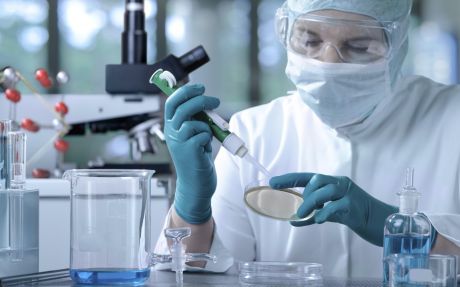
An EU-funded study is investigating the association between Streptococcus infection and tic disorders. The findings will shed light onto the pathogenesis of tic disorders and determine the genetic and environmental risk factors.

An EU project has taken an interdisciplinary approach to examining the mapping between language and perception across the lifespan of both healthy and clinical populations.

Researchers are using a sparrow hybrid, which recently evolved from a cross between two different sparrow species, to understand the genetics behind speciation.
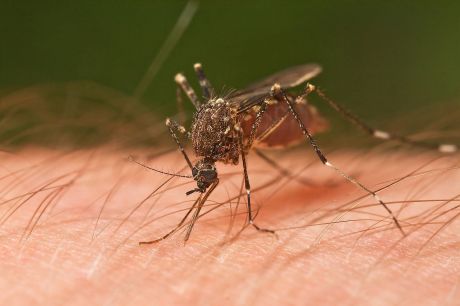
Mosquitoes are carriers (vectors) of a number of infectious diseases, including malaria, dengue and yellow fever – all serious public health threats. A large EU-supported consortium exploited the genetic manipulation of mosquito vectors to control the spread of infectious diseases.

Researchers hope to produce food crops with increased levels of health-boosting carotenoids by finding out how exactly plants regulate production of these high value bioproducts.

Farmers face a constant battle against pests and disease, while climate change may increase their occurrence and severity. The availability of chemical agents to fight plant pathogens is limited to protect the environment and human health; the alternative therefore is to use environmentally friendly sustainable products.

A new EU research initiative is studying the gut microorganisms of more than 1 000 dairy cows to try and limit methane (CH4) and N emissions and improve productivity.

Birds and mammals rely on their sense of hearing to locate prey and escape predators. An EU-funded project set out to explain how sound processing occurs in natural environments.

An EU research project is looking to hemp and flax fibres for creating sustainable packaging.

An interdisciplinary EU-funded initiative successfully addressed crucial questions regarding climate change by analysing different tree ring parameters and applying different statistical approaches.
Recent discoveries relate changes in transfer RNA (tRNA) abundance to apoptosis and gene misregulation in tumourigenic cells. A European study investigated the processes affecting tRNA abundance under stress.
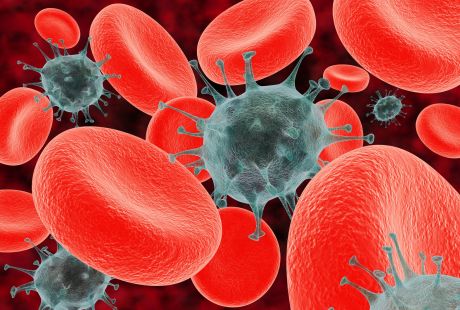
A European study is developing an immunotherapeutic approach based on donor T cells to improve the outcome of haematopoietic cell transplantation. This has direct consequences for the treatment of leukaemia.
An EU consortium comprising companies and research institutes is developing an innovative process for extracting high-value products from microalgae. Its scope extends from feedstock production and harvesting to oil extraction and purification.

An EU project is investigating perennial grasses as a biomass crop that can be grown on marginal land that isn't good for any other use.
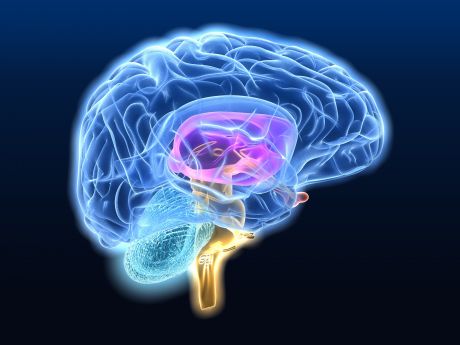
Imbalance in mammalian brain development can lead to neurodevelopmental disorders. An EU-funded project is studying cerebral cortex development using a multicolour multi-clonal labelling strategy.
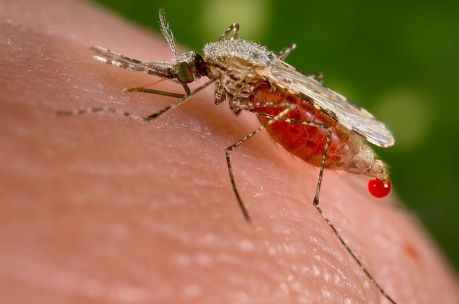
Control of the damaging impact of insects on human health and agriculture mainly involves the use of chemicals. A European study is proposing a more targeted approach, which stems from genomic and biological analysis of vectors.

Producing pharmaceuticals in plants is potentially efficient compared to conventional production methods. Ease of plant engineering and lower production costs could guarantee success for plant-generated vaccines against animal and human diseases.
Understanding the dynamics of microbial communities and the evolution of the antibiotic resistance is critical for devising novel intervention strategies.
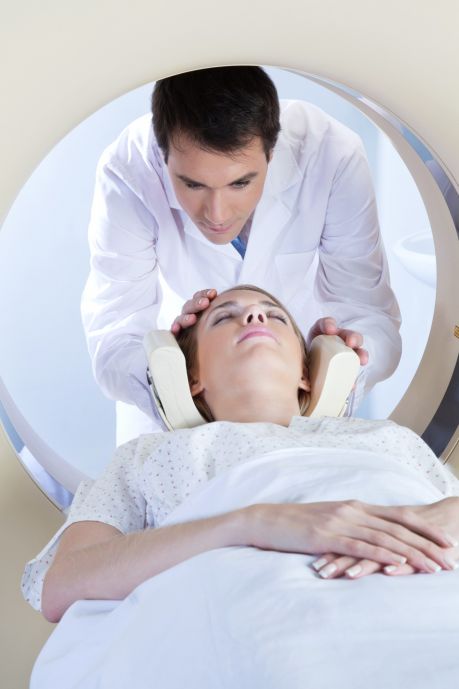
Currently, acute stroke treatment depends on knowing when the symptoms began. A European consortium is working on a method to determine the time window for therapy.
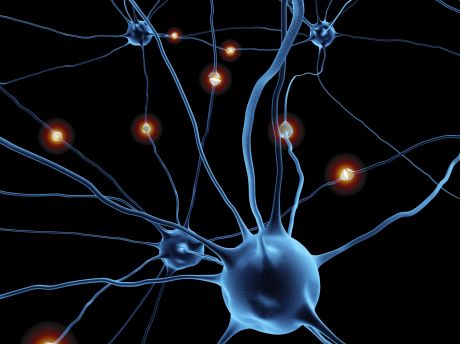
A European consortium is working on new therapies for a group of rare neurodegenerative disorders called Neurodegeneration with Brain Iron Accumulation (NBIA).
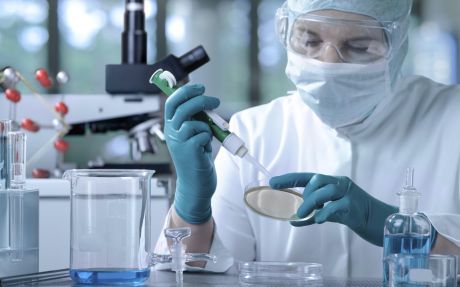
Biofilm-forming microorganisms are a growing problem particularly in healthcare. A European study is looking to address this issue through coating of medical implants with specialised anti-bacterial materials.
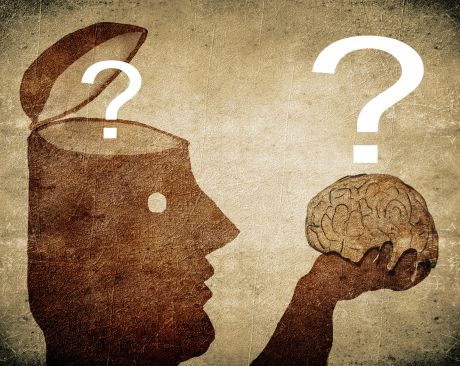
Schizophrenia is a debilitating mental illness. EU-funded scientists are developing biomarkers and predictive tests to identify particularly difficult cases early for faster access to the only anti-psychotic that can help.
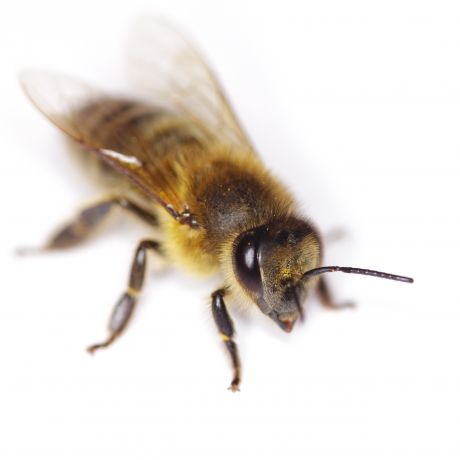
Researchers have tracked thousands of individual honeybees in a hive to better understand how they communicate and transfer pathogens.
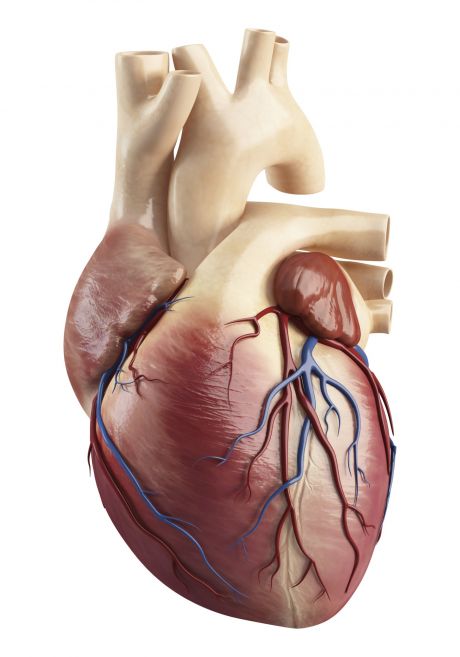
Researchers speculate that the fat surrounding our heart impacts heart biology. A European study set out to understand how this occurs and if it could be exploited for therapy.
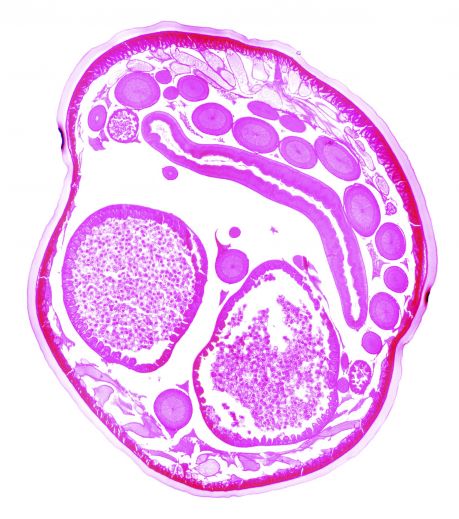
In multicellular organisms cells with different fates come from originally uncommitted precursor populations. An EU project investigated the control of cell differentiation in mouse embryonic stem cells (ESCs).

An EU-funded project has designed the largest genetic study ever of women with pre-eclampsia, and their babies, in central Asia and Europe. Results are expected to deliver a predictive tool for the condition.
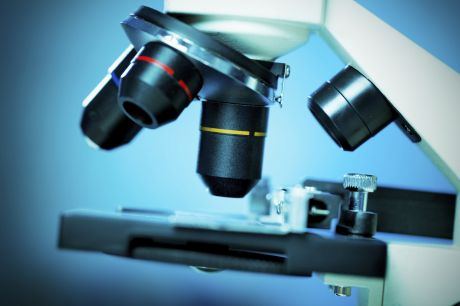
European researchers are working on an automated high-throughput method for analysing protein glycosylation. The technology is anticipated to advance current diagnostics and aid the discovery of disease-specific biomarkers.
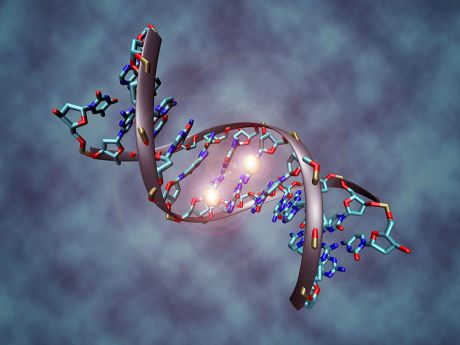
It seems that the so-called non-coding DNA is not so inactive after all. EU research has uncovered the molecular basis of its involvement in some cancers.
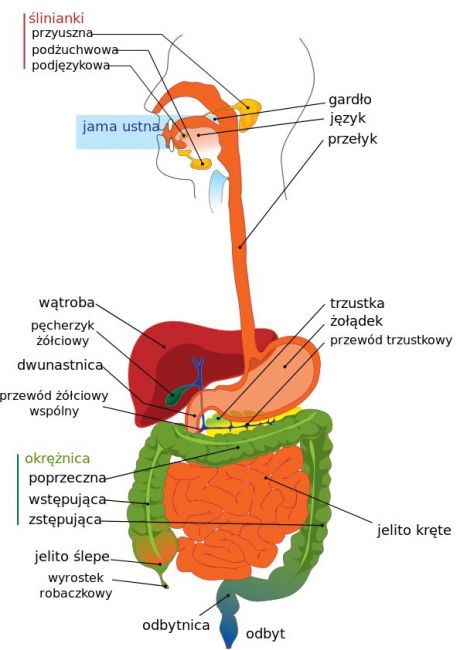
According to the World Health Organisation, it is estimated that in 2005 alone 1.8 million people died from diarrheal diseases. Improved diagnostic tools are thus necessary to act promptly against these dismal statistics.
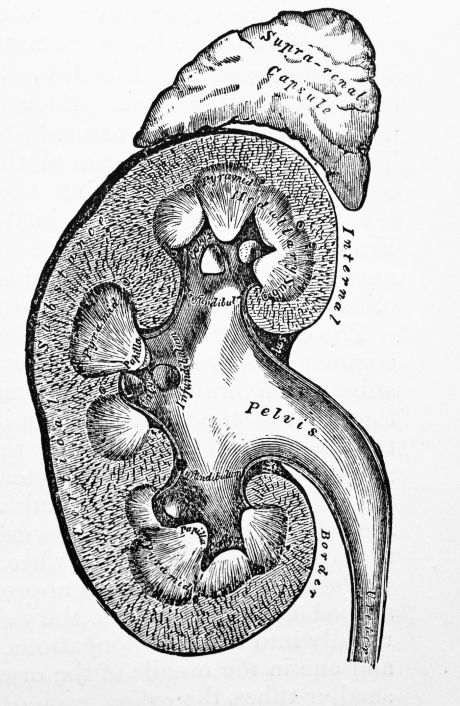
Kidney dysfunction leads to hypertension, which in turn creates more damage to the kidneys. An EU study addressed the mechanisms of salt transport regulation in kidneys using a model system.
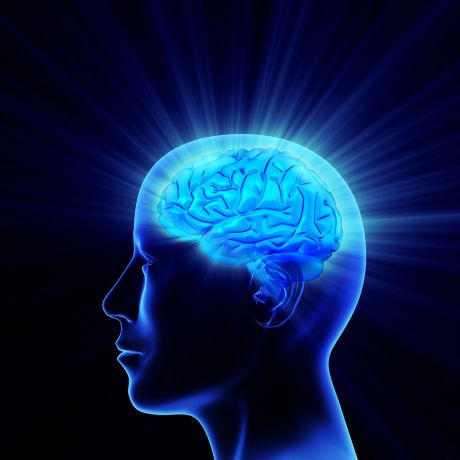
The central nervous system works largely on the basis of currents and voltages generated by the flow of ions in or out of neurons. Scientists have shed important light on an intriguing endogenous background electrical activity certain to impact processing of incoming signals.
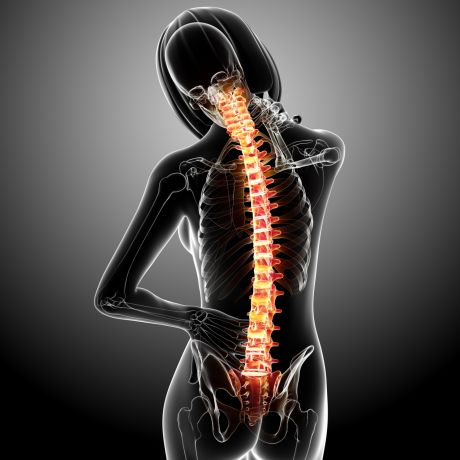
Currently, no therapy is capable of promoting recovery after complete spinal cord injury (SCI). European scientists developed a brain-spinal interface (BSI) system with a goal to restore movement in severely paralysed subjects.

Researchers are analysing the environmental effects of a growing trend of using recycled organic wastes on arable land as an alternative to landfilling and incineration.
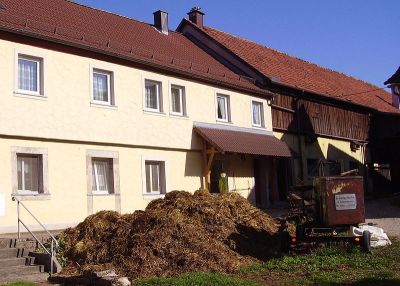
Young EU scientists are investigating new and sustainable ways of utilising the contents of animal waste.
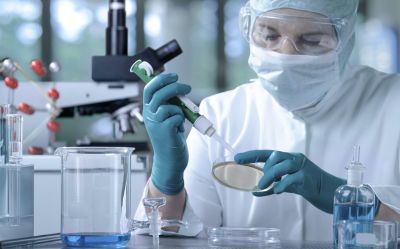
European scientists are working to characterise neural stem cells (NSCs) for cell therapy applications. NSCs possess an inherent capacity to differentiate into different cell types. However the ability of cultured NSCs to produce clinically-relevant neuronal types is gradually lost. To produce clinically-relevant neuronal types, rosette-NSCs (R-NSCs) show promise.
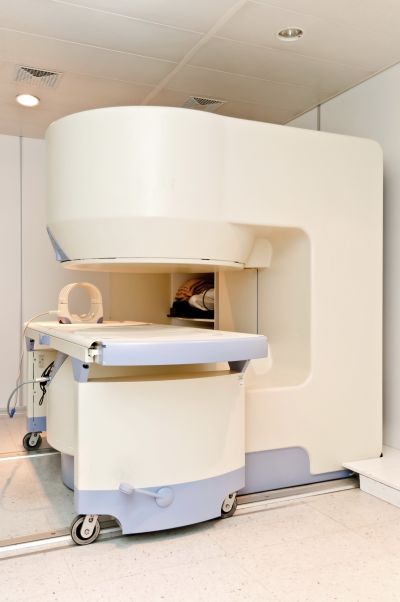
Accuracy in radiation dosimetry and the use of proton/ion beams for cancer therapy are increasing with progress in instrumentation. A large EU training network is conducting cutting-edge research in the development of radiation detectors with a number of industrial and medical applications.

Printed circuit boards (PCBs) have been the backbone of electronics for years. Improved technologies for printed electronics that get rid of the boards and the discrete components will put the EU in a leadership position within a huge global market.
With over 400 000 patients across Europe receiving erythropoietin (EPO)-related treatment every year, it is important to delineate any therapy-associated health hazards. A European study determined EPO-associated risks of tumour growth and thromboembolic events.

Scientists have investigated how the roots of crops respond to periods of flooding in order to ensure good harvests.

EU-funded scientists are developing new organic/inorganic materials that are excellent candidate elements for non-volatile memories. Being both electrically and optically addressed, they pave the way for converging electronic and photonic integrated circuits.

An EU project has developed a number of new diagnostic tests for animal pathogens to improve disease diagnosis at the point of care.
An unprecedented effort has been made to coordinate storage and access to virus collections on a global scale. EU funding has supported the development of a readily accessible virus archive with an extensive collection through global networking.
For any disease, treatment should present minimal adverse effects and maximum therapeutic outcome. To achieve this, a European study is working on genomic biomarkers that predict treatment response in epilepsy.


 EN

 CS
 DE
 ES
 FR
 HU
 IT
 PL
 PT
 РУ
 SK
 TR
 УК
 AR
 中文