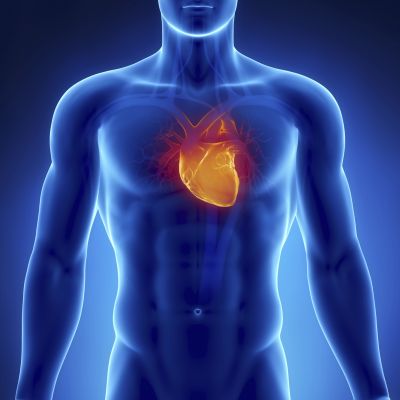
Minimising the risk for cardiovascular disease is a great medical challenge. A European consortium proposes to identify biomarkers that could be used for disease risk prediction.
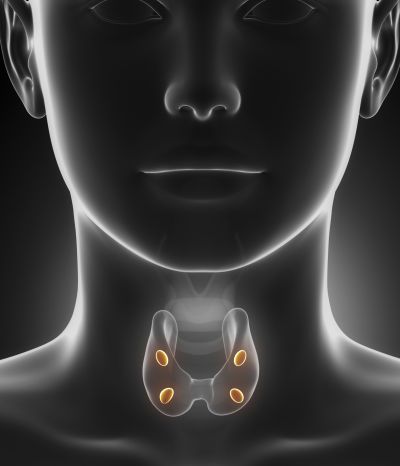
The incidence of oropharyngeal cancers is steadily increasing in certain regions of Europe and the United States. Additional studies are needed to confirm the importance of human papillomavirus (HPV) infection in head and neck cancer (HNC) development in European populations.
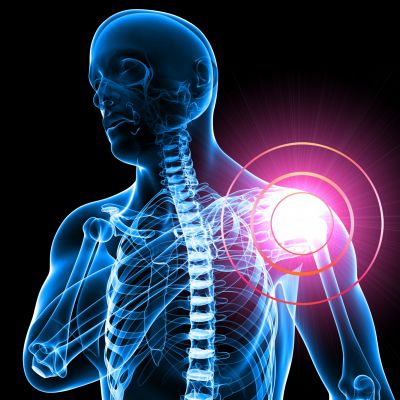
Understanding what triggers inflammation-based pathogenesis would provide insight into the aetiology of many diseases.

Birdsong exhibits phonological syntax in which sounds are put together in an organised syntactic structure that produces meaning. The first use of electrodes to study sequence rule learning in non-human animals has shed light on neural mechanisms.
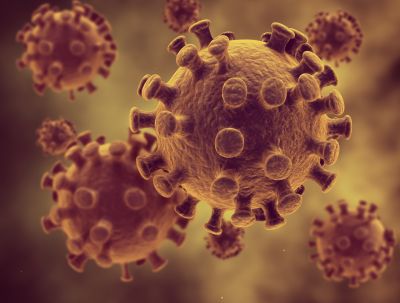
Cancer is characterised by uncontrolled cell proliferation. To identify new targets for therapy, European researchers concentrated on the mechanisms underlying cell proliferation.

Marine protected areas (MPAs) are a valuable tool for conserving marine biodiversity and resources whose benefits can be increased by their integration into a network. The correct design of these networks is crucial to their success and connecting fish populations through larval dispersal plays a key role in this.
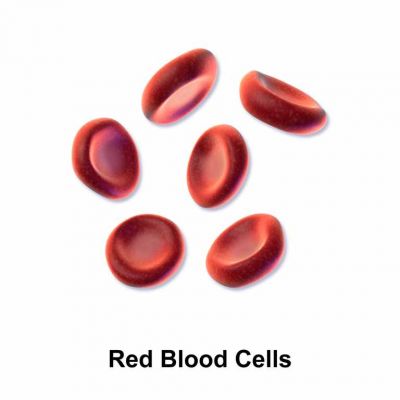
The human body is approximately 60 % water, a major component of blood and intracellular and extracellular spaces. Scientists have used powerful experimental and computational methods to address important questions about water's functional role.
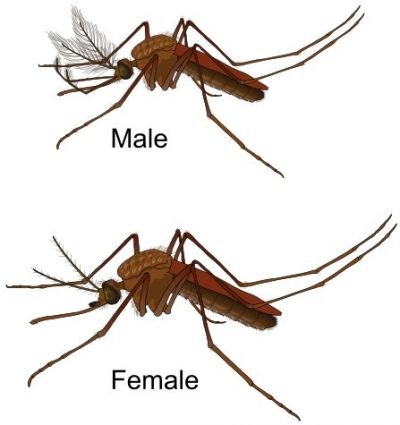
Accurate and rapid diagnosis of any infectious disease is paramount to constraining its transmission. In this context, European scientists have set out to develop diagnostic assays and implement a surveillance system for monitoring dengue fever.
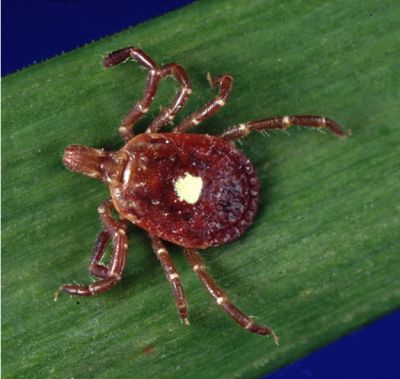
An EU-funded project has elucidated the mechanism of resistance to pyrethroids in the bee mite, Varroa destructor, and has developed a test for a rapid and accurate identification of resistant mites in populations across Europe.
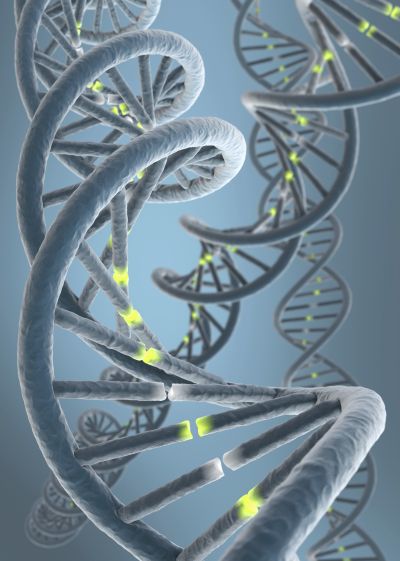
European investigators are using zebrafish to investigate human regulatory genes and their function, the regulome. This systems biology approach will complement work in other mammalian systems.
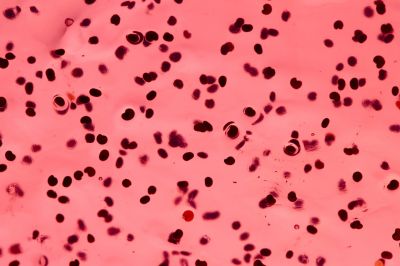
Understanding how cells receive signals from the outside and translate them into cellular responses is central to the field of biology and medicine.
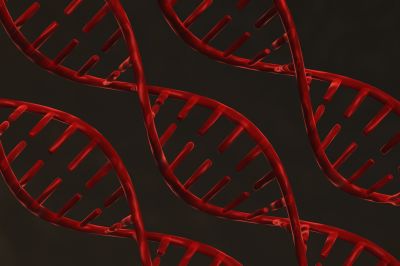
Daily and seasonal changes in the day-night cycle prompt corresponding changes in biology and behaviour through the circadian clock. EU research has investigated how changes in the genes behind the clock can bring about differences in plant metabolism.
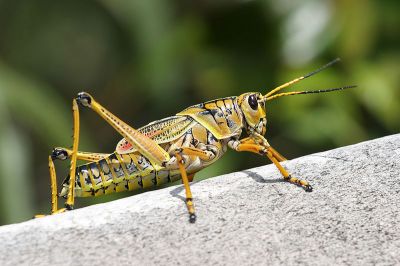
Combating pest outbreaks using biological approaches is gaining ground on chemical pesticides. European researchers investigated how pest infections are influenced by nutrition and environmental conditions.
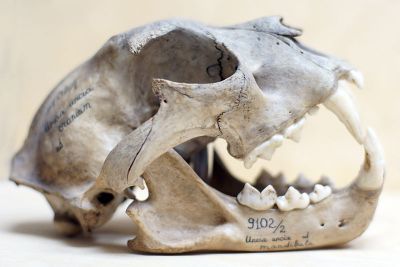
European scientists developed computer models to investigate how the internal structure of the jaw bone adapts to the ways in which different mammals chew and to study the biomechanics of orthodontic tooth movement.

Collaborating universities in Sweden and the United States have reconstructed historical changes in Central Asian mountain glaciers to infer past and future patterns of climate change.

Discovering innovative medications from venoms is the vision of an EU-funded project. To this end, scientists are following an innovative process of venom characterisation and toxins production compatible with HTS.
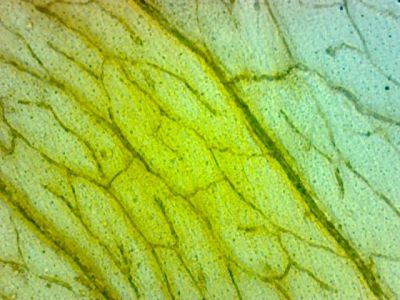
Phosphorus is a very important mineral in the health of all living organisms. European researchers have developed a set of tools to help monitor phosphorus movement in plant cells at the molecular level.
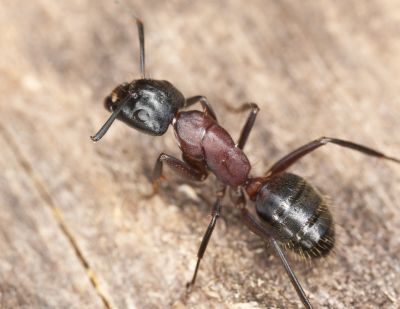
Epigenetic regulation is a fundamental mechanism that controls variation in gene expression. It includes RNA editing and DNA methylation, and could mediate genomic imprinting, topics that are virtually unknown in social insects.
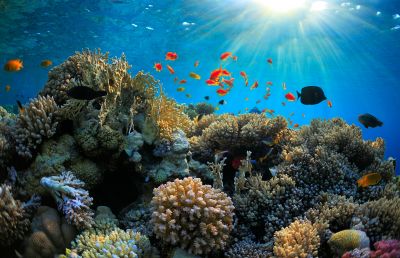
Marine phytoplankton plays a crucial role in maintaining the well-being of our planet, conducting almost half of the photosynthesis taking place on Earth and supporting food webs. It is therefore vital to understand how climate change alters the metabolism of these microorganisms.
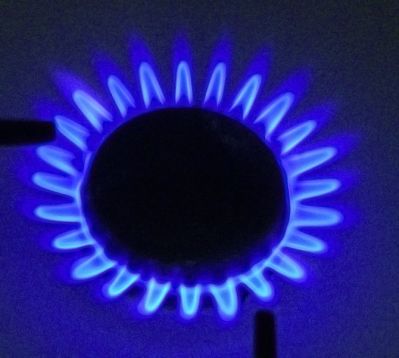
Porous molecular solids with their nearly infinite possibilities for functionalisation are attractive candidates for gas sensing, separation and storage. Novel compounds and characterisation techniques promise to put the EU in a leadership position.

EU researchers have completed a series of studies to explore cultural influences on creativity. This is a little-studied area, but one that merits attention in view of the growing importance of globalisation and multinational organisations.
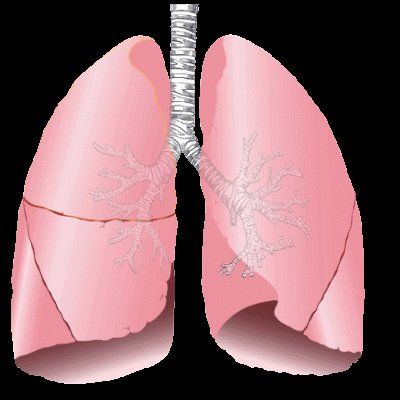
Understanding how respiratory activity can modulate cellular metabolism is essential for understanding how our body works. Also, it has implications for the treatment of metabolic disorders.
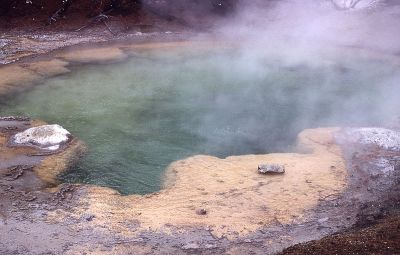
Investigating the interaction among different microorganisms in any environment is essential for understanding microbial ecology. A European research team focused on how viruses impact microbial diversity in hot springs.
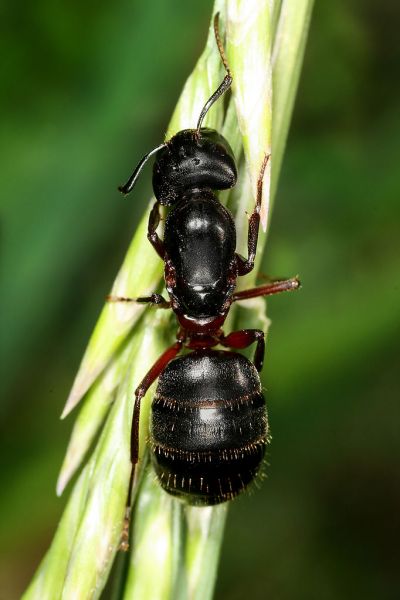
Researchers have investigated whether the spread of plant viruses can be stopped by blocking the interactions between the virus and the insect that transmits it.
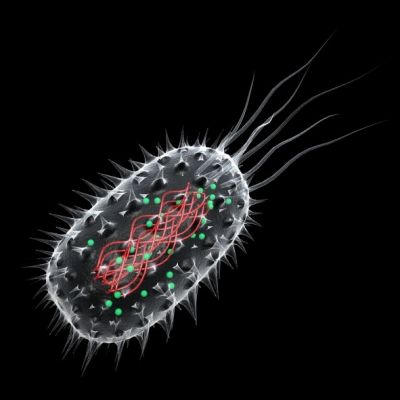
Characterisation of the bacterial cell wall is central to understanding their virulence and discovering potential therapeutic targets. In this context, European scientists identified a novel group of enzymes that could be targeted to inhibit infections.

Researchers are using sophisticated genetic approaches to determine how a fungal pathogen adapts to infect a resistant host. Understanding the genetic basis of host adaptation will aid efforts to control pathogens.

Development in many organisms uses a restricted set of physical processes to produce functionally and morphologically diverse features. How the dynamics of development have evolved to shape these phenotypes is yet to be determined.

Publication bias, or dissemination bias, reflects a tendency on the part of researchers to submit and journals to publish, articles that have strong, positive findings. As a result, medical decision-making is based on a skewed evidence base.

A recent research project has advanced our understanding of the interaction between predators, herbivores and plants in the forests of Poland.

Assessing the movement of nutrients through ecosystems is complex. An ingenious method to assess isotopes in proteins is shedding light on ocean carbon and nitrogen cycles as well as dust deposition.

Unlike animal sexual reproduction, flowering plants feature a double fertilisation event involving two male and two female sex cells. Identifying the molecular players in this complex procedure promises to open doors to crop improvement.

The same molecule found in haemoglobin and chlorophyll could be the basis of tomorrow's optoelectronics and magnetic data storage devices. EU-funded researchers characterised novel architectures to push the technology forward.
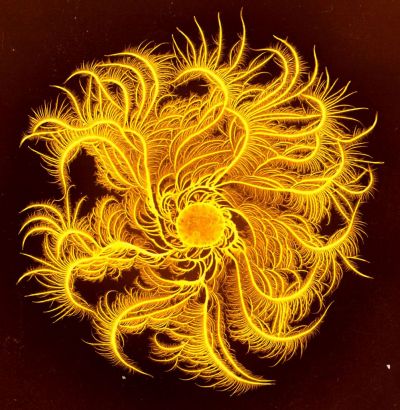
To tackle bacteria as pathogens, we need to understand how they grow and evolve. A European study has put forward a modelling approach to help dissect the growth pattern of bacteria.

Researchers have studied a songbird species to uncover the secrets of evolution.

Small RNAs regulate an astonishing number of processes. European research has investigated the action of one prominent class, microRNAs (miRNAs), that play a major role in plant antiviral defence.
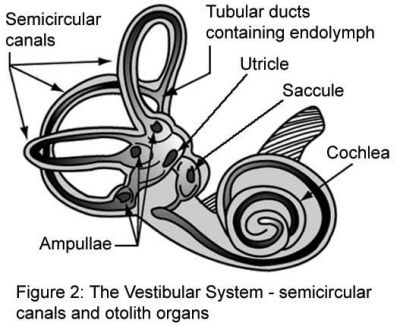
The vestibular system helps vertebrates ascertain body position in space and maintain postural equilibrium. Its function is also linked to regulation of the cardiovascular system, the circadian rhythm and bone mineralisation, and EU-funded scientists are unravelling the connections.
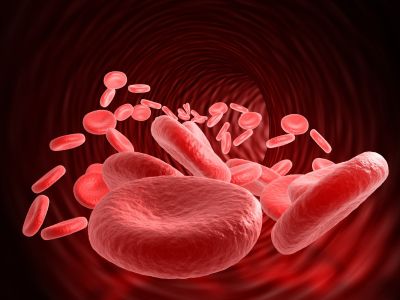
The complex molecular and cellular interactions that take place during development are poorly understood. Using zebrafish as a model organism, European researchers studied how blood flow affects embryo development.

Nano-scale devices made from polymers and polyelectrolytes (polymers with ionisable side groups) are gaining widespread interest for controlled and smart drug delivery. Scientists investigated poorly understood transport mechanisms to aid development.

Expressions such as 'give my right arm' or 'right-hand man' highlight the importance of limb movements in daily activities. Injuries, disease or ageing can affect our movement, which in turn negatively impacts our quality of life.
Combining worldwide expertise on micronutrients relevant to human health with wiki-based information sharing could help prevent disease.
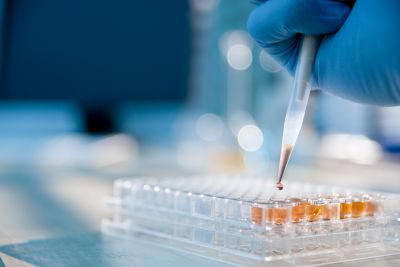
Transition from fossil-based raw materials to renewables is a key challenge for the coming decades. An EU-funded project is developing sustainable routes to functional materials for various polymer applications.
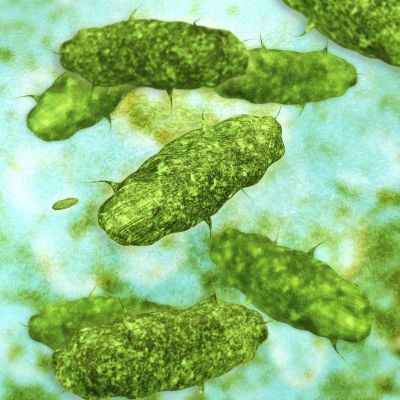
The recent breakthrough applications of the CRISPR/Cas bacterial immune system urged European scientists to study its features in-depth.

An EU-funded project is developing a nano-scale device that will stretch out a single DNA molecule inside a nanochannel. It will enable its visualisation without using fluorescent markers for pioneering single-molecule sensing.
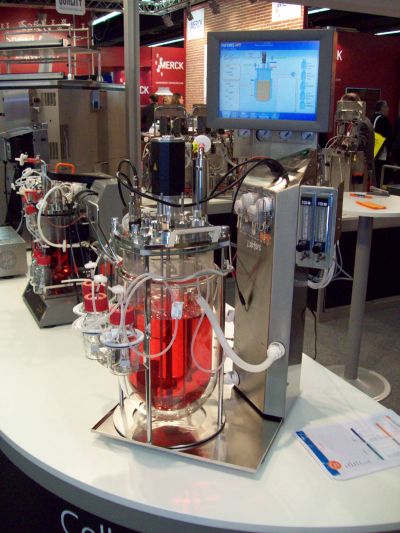
Using biotechnology in industrial processes is one of the most promising ways to reduce pollution, resource waste and costs while opening new product markets. An EU-funded study is identifying barriers to uptake in order to knock them down.

Biodiversity in the world's oceans is much greater than that on land, but surprisingly little is known about our planet's underwater biological resources. An EU-funded project is therefore studying the potential of marine microbes for industrial biotechnology.
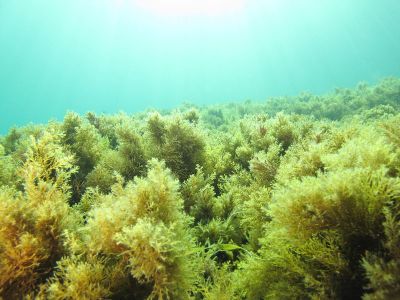
Deep-sea habitats are increasingly under threat from the impacts of human activities such as trawling and pollution. European marine scientists therefore investigated the relationship between seafloor geology and biodiversity to develop effective maps of deep-sea ecosystems.
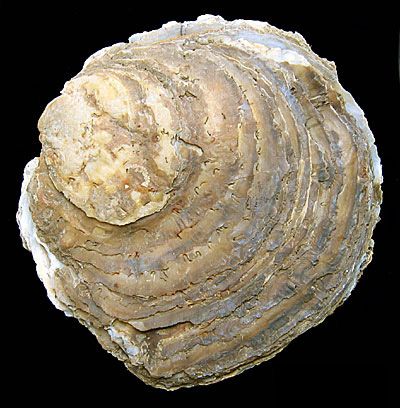
The role of phenotypic plasticity (PP) in driving the genetic evolution of a species has attracted much interest. An EU initiative studied a non-native marine species to determine if PP facilitates genetic evolution.

In the last 20 years, nitric oxide (NO) has been identified as an important chemical messenger in plants. Using a combination of biochemical and bioinformatics approach EU-funded research has identified thousands of potential target proteins and specific binding sites, opening the door to tests of function.

Researchers have investigated the genetics involved in successfully passing on genes that may benefit one sex and disadvantage the other.
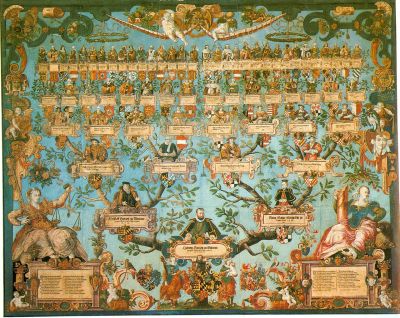
Thanks to an EU-funded project, evolutionary scientists are improving the tools that reveal complexity in family histories.


 EN

 CS
 DE
 ES
 FR
 HU
 IT
 PL
 PT
 РУ
 SK
 TR
 УК
 AR
 中文