
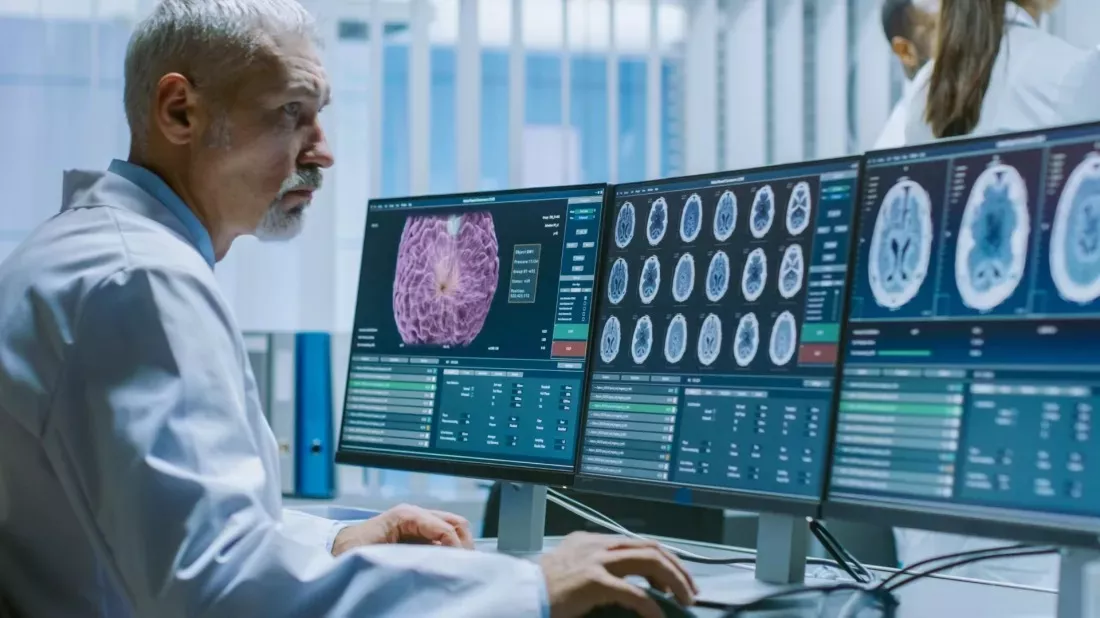
Almost everyone has a memory they would happily get rid of: an awkward moment, a painful scene, something that keeps coming back at the worst possible moment, often late at night. Johannes Gräff, a neuroscientist at EPFL in Lausanne, studies whether such memories can really be deleted. His answer is yes, in principle, but with a catch that matters a lot once you move from mice to people — and at the end you can check how you deal with your own difficult memories.

Heat, drought and shrinking water supplies are not just problems of our time. Herders in the Levant faced similar challenges more than 10 000 years ago. The EU-funded ICARHUS project set out to learn how they managed their herds, using a method that reads proteins preserved in ancient animal remains. It turns out that the age and sex of goats and sheep can say a lot about the climate of the past – and at the end you can find out whether there is a Stone Age herder in you.
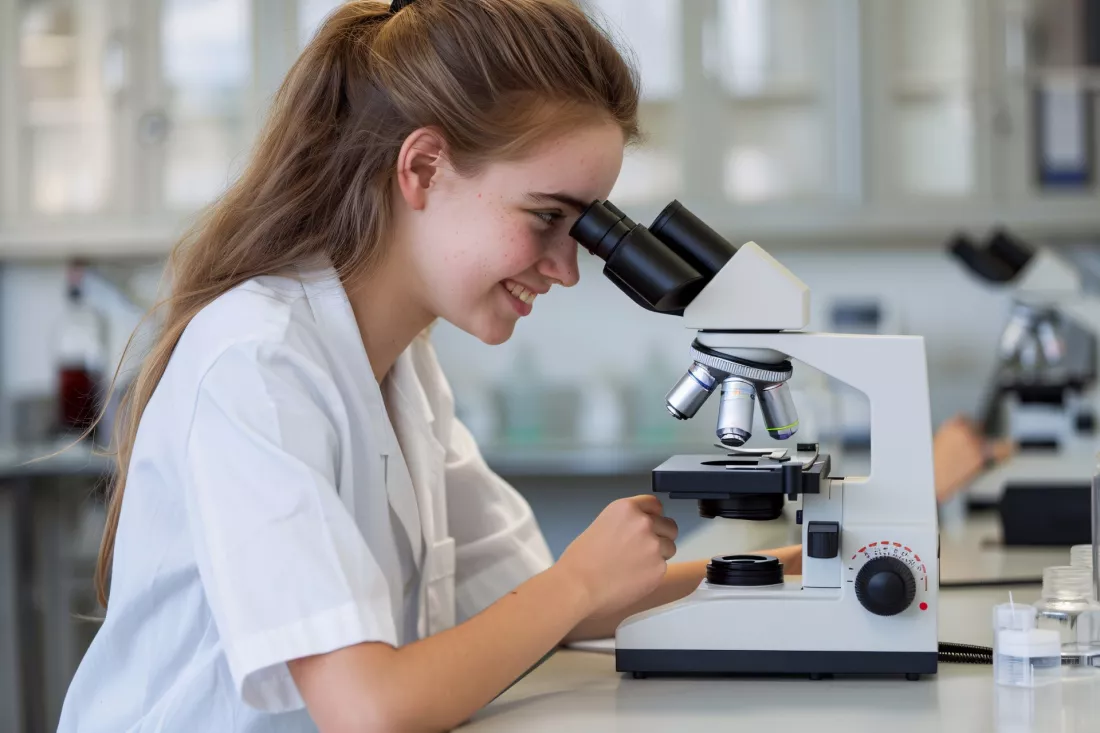
Every step, jump or dance move depends on a quiet partnership between muscles and the nerves that control them. When that partnership fails, the result can be a serious neuromuscular disease. A team at the Max-Delbrück Center in Germany has grown tiny human neuromuscular organoids in the lab that organise themselves and recreate this link, opening a path from a curiosity-driven question to future treatments – and at the end you can check what kind of lab explorer you are.
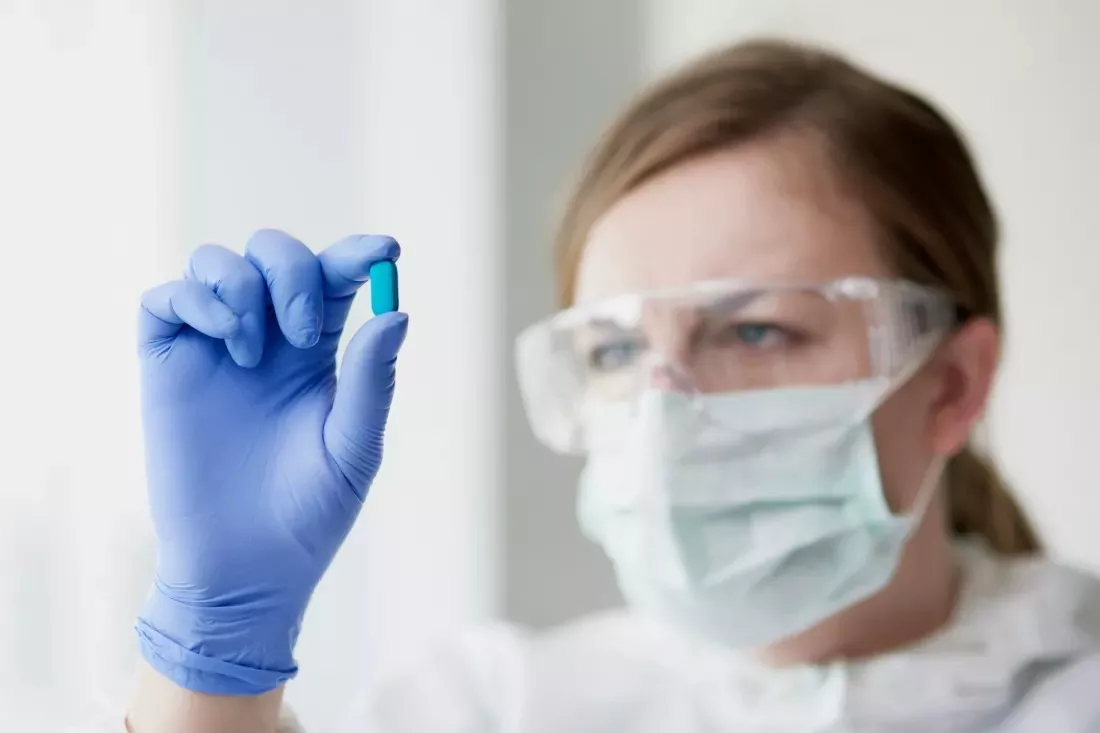
A pill that checks how your gut is doing, then simply gets digested like a meal, sounds like science fiction. Yet the EU-supported ELFO project, run at the Italian Institute of Technology from 2020 to 2025, built exactly this kind of electronics from honey, toothpaste pigment, seaweed and red cabbage juice. The aim is safer, more sustainable devices that could one day replace some invasive procedures — and at the end you can check whether you would trust a pill with a sensor.
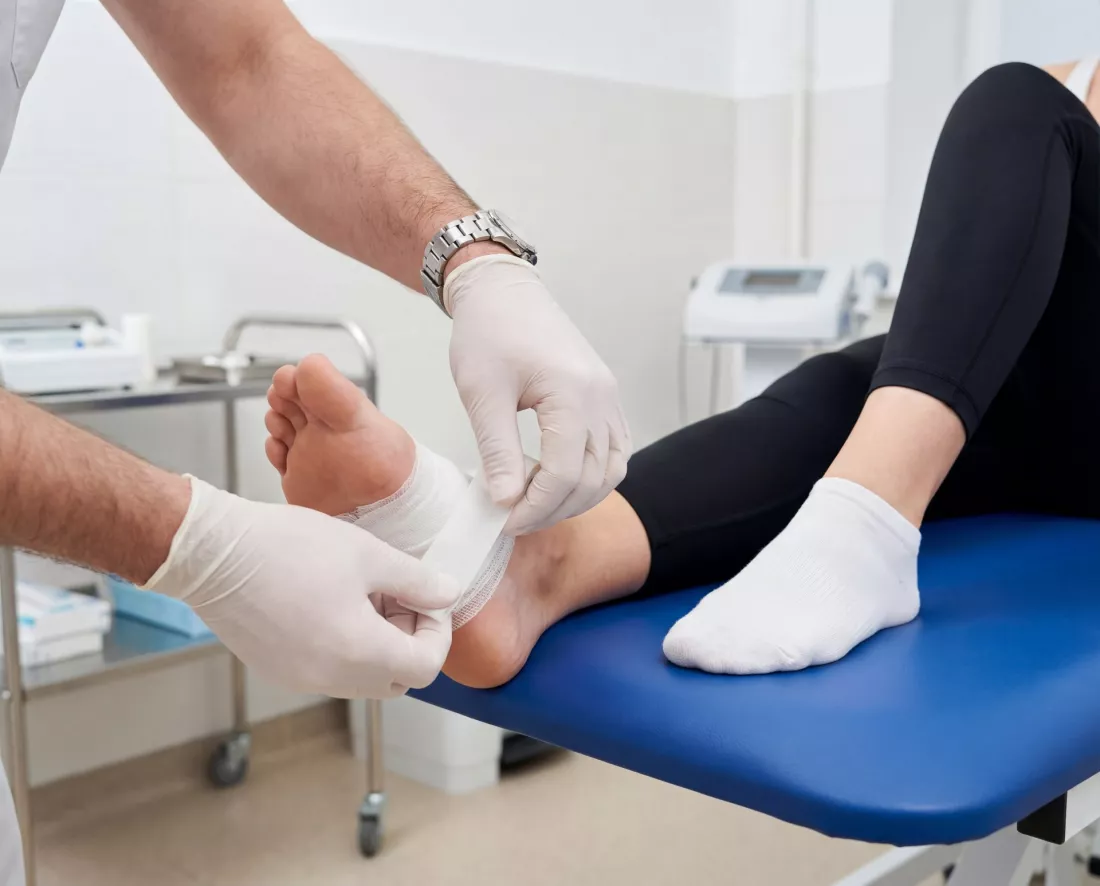
Diabetic foot ulcers affect about a quarter of the more than 800 million people with diabetes worldwide. Today they are mostly cleaned and dressed, which means treating the symptoms. The EU-funded APTADEGRAD project takes a different route: its compounds remove excess inflammatory proteins from the wound by recruiting the natural recycling system inside our cells – and at the end you can check whether you have a head for biotechnology.
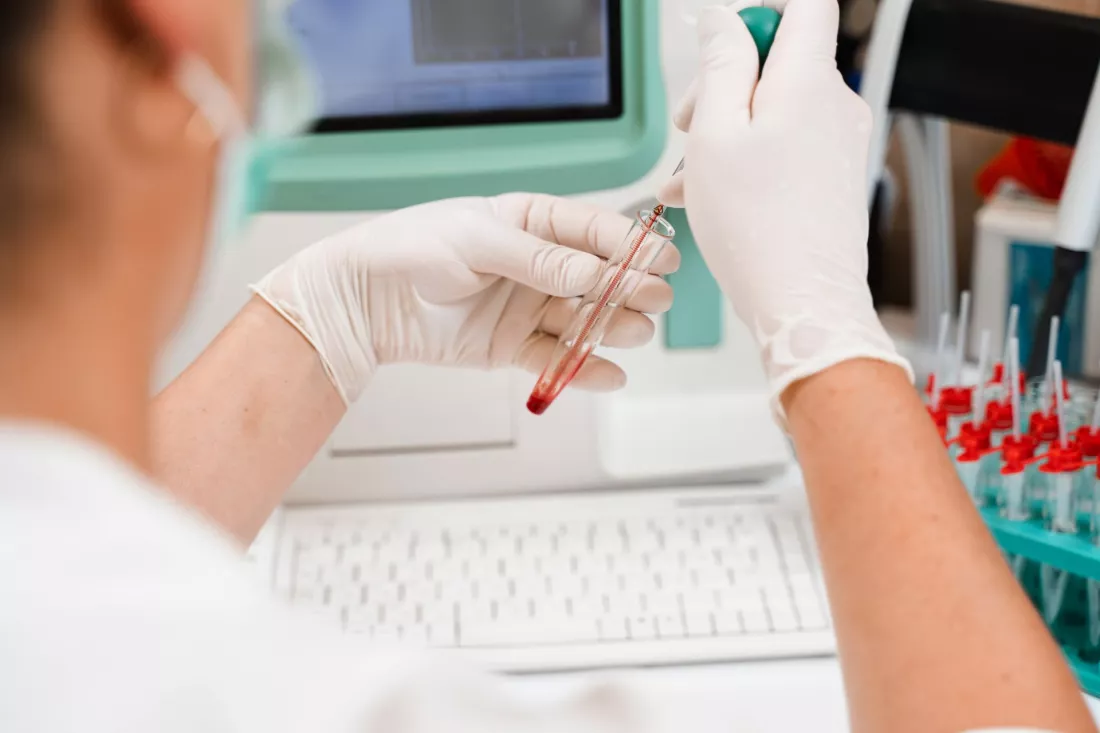
After a kidney transplant, the dose of immunosuppressive drugs has to be just right: too little and the new organ is rejected, too much and the patient is exposed to dangerous infections. A European project has tested whether a harmless virus that almost everyone carries in their blood can act as a gauge of the immune system and help doctors find the balance – and at the end you can check how good you are at finding the happy medium yourself.
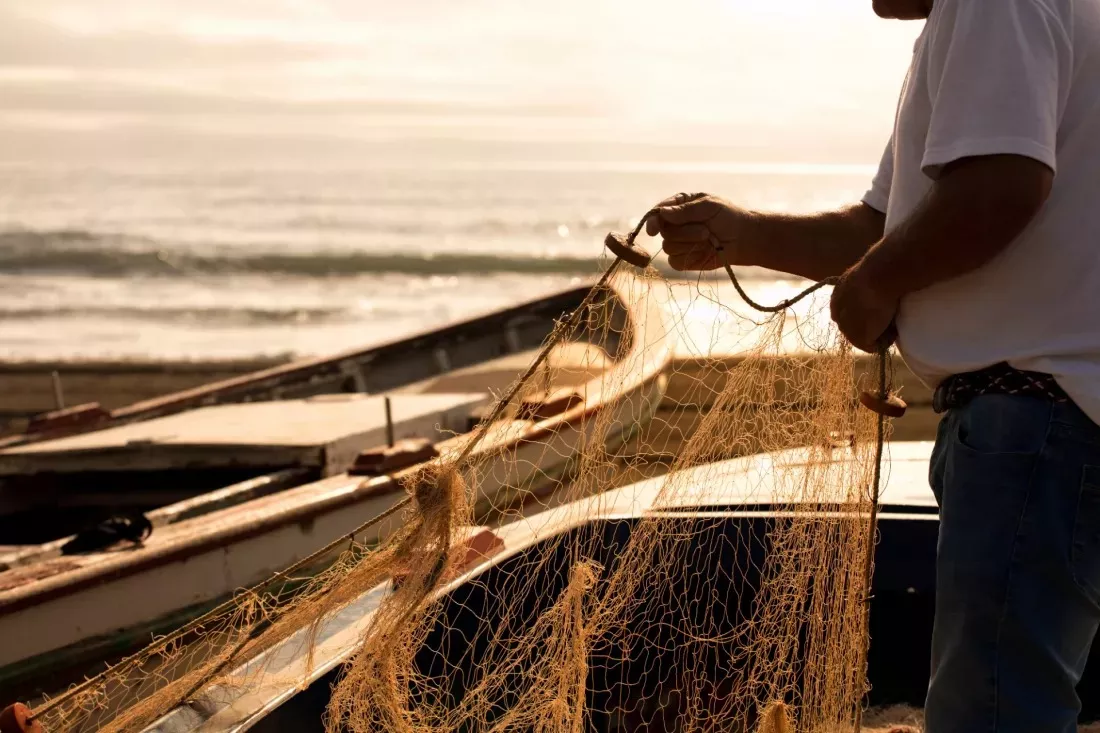
A lost fishing net does not simply disappear on the seabed. According to expert estimates, abandoned, lost or discarded fishing gear makes up around 10% of all marine litter. The European NETTAG+ project, coordinated by researchers at the University of Porto, tackles it from several angles at once: workshops for fishers, acoustic tags for gear, sonar combined with artificial intelligence and underwater robots — and at the end you can check how much responsibility for the sea there is in your own habits.
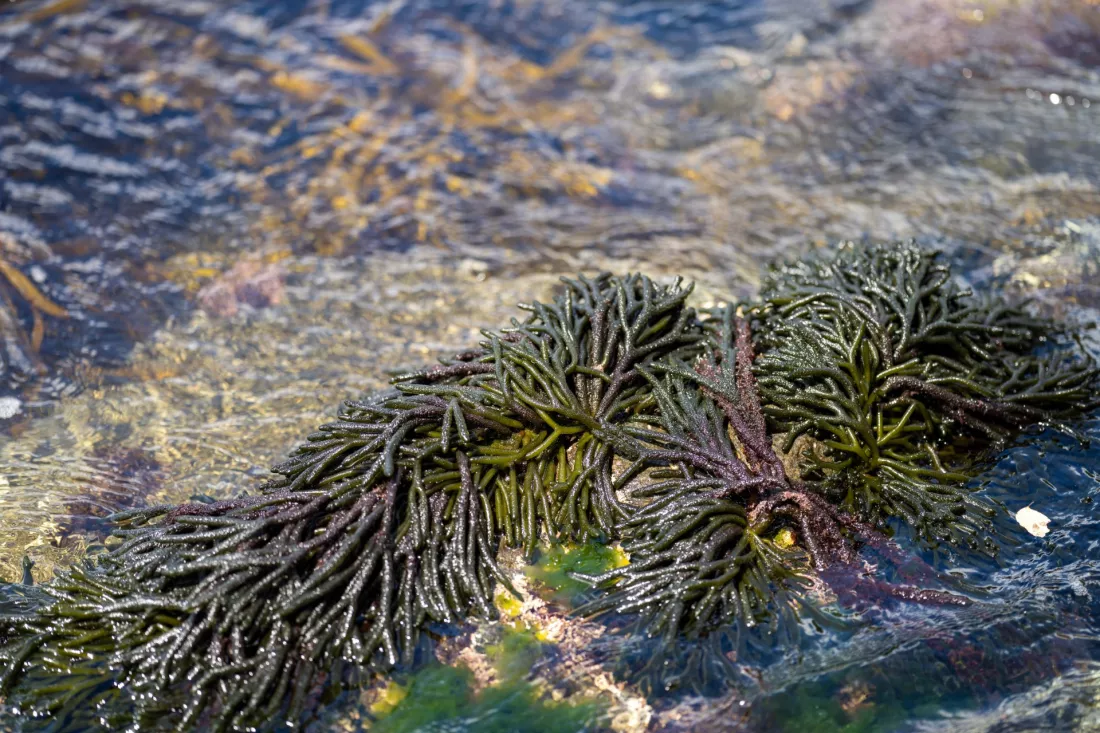
Fish and shellfish farming is growing fast around the world, yet in the European Union production has fallen and Member States rely on imports. EU-funded research wants to change that without sacrificing climate goals: healthier fish without antibiotics, feed made from fungi and insects, seaweed farms at sea and aquaculture that wastes nothing – and at the end you can check how sustainable your own seafood habits are.
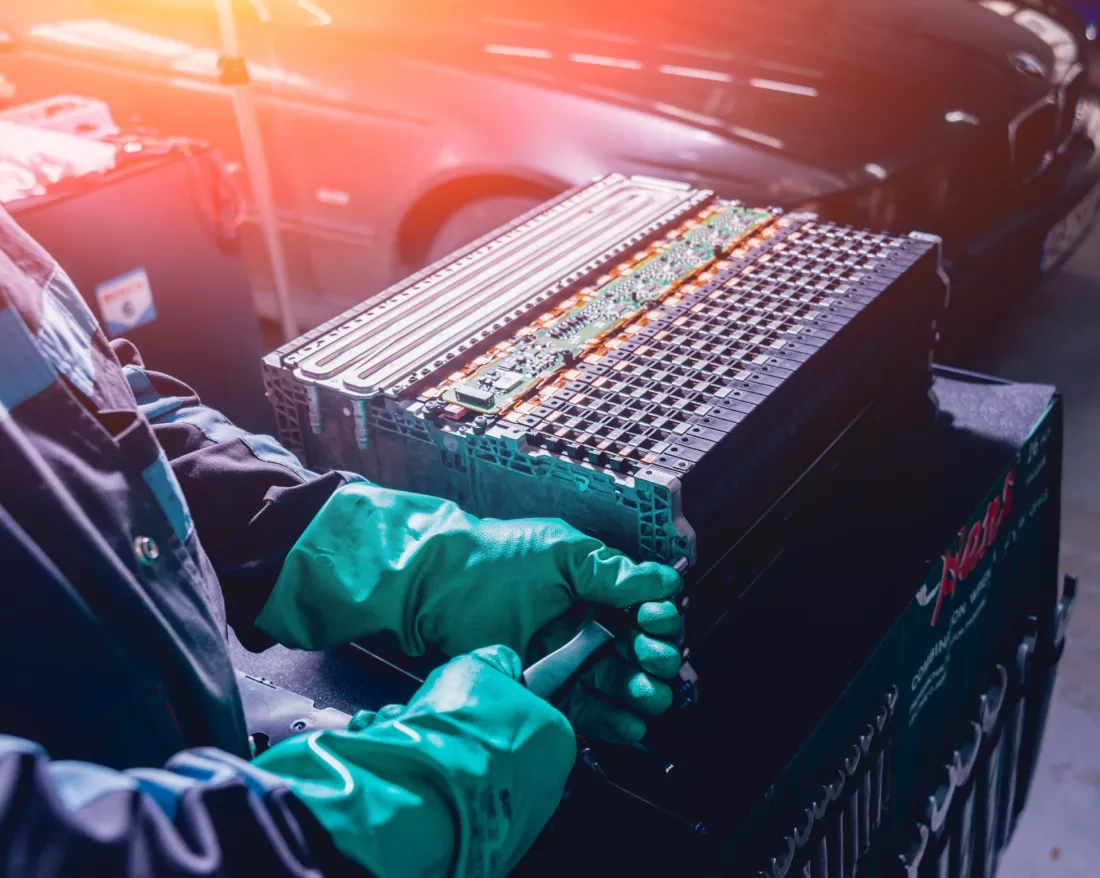
An electric car battery that can no longer power a vehicle is not rubbish at all – it is a small mine of lithium, cobalt, nickel and manganese. The European BATRAW project, coordinated by Leitat, has shown step by step how robots, AI cameras, lasers, clever chemistry and a blockchain passport can turn worn-out packs into high-quality materials for brand-new batteries – and at the end you can find out how much of a circular economy engineer there is in you.
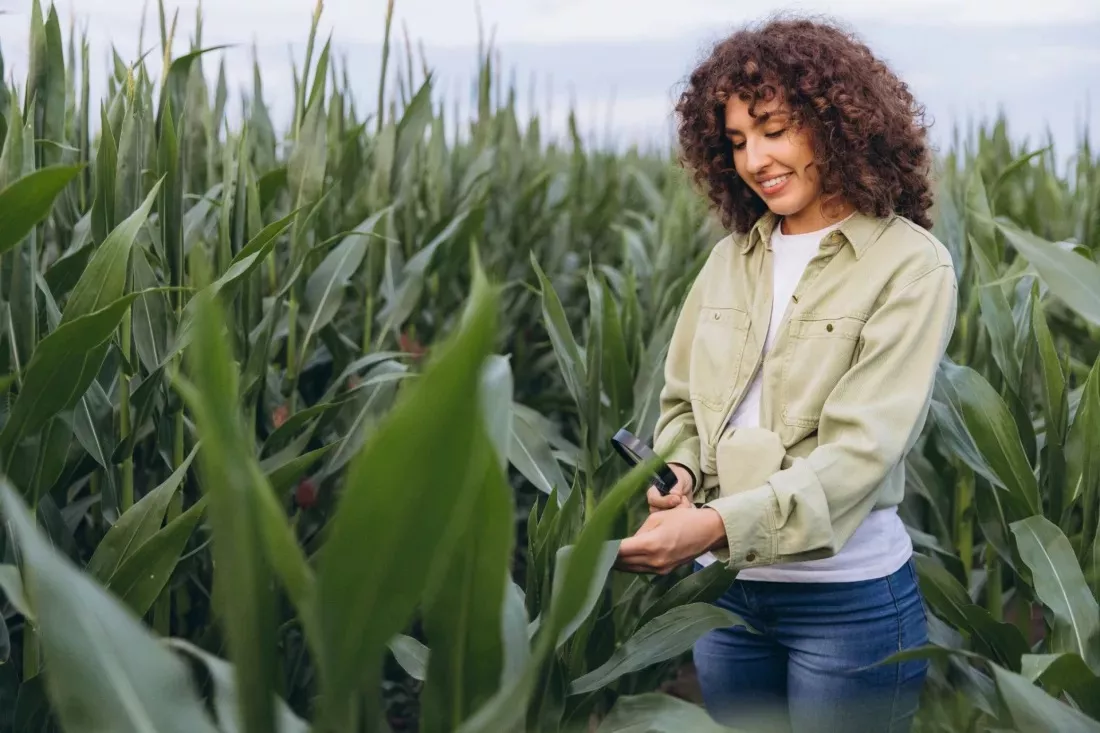
Smallholder farmers have to grow as much food as possible on very little land, while the weather becomes more extreme and harder to predict. Synthetic pesticides help, but they also harm ecosystems and human health. The EU-funded UPSCALE project tested whether plants themselves can protect maize from pests, and its team carried out more than 150 interviews with farmers and experts along the way – and at the end you can check whether there is room for nature in your own everyday choices.
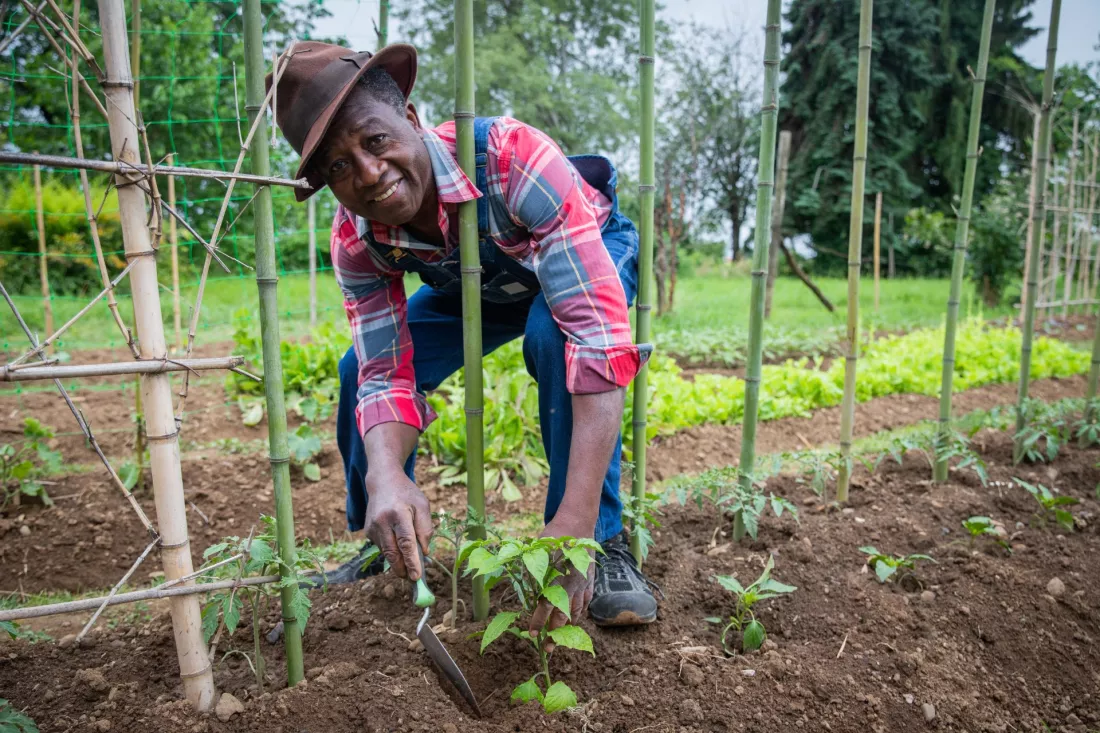
Smallholder farmers in East Africa work plots of less than two hectares, yet they produce up to 70% of their countries’ food. The EU-funded PrAEctiCe project set out to support them by turning agroecology, a broad and rather abstract idea, into concrete indicators that advisors can use on real farms. The tools were piloted in living labs in Kenya, Uganda and Tanzania — and at the end you can check how well you have followed agroecology from idea to numbers.
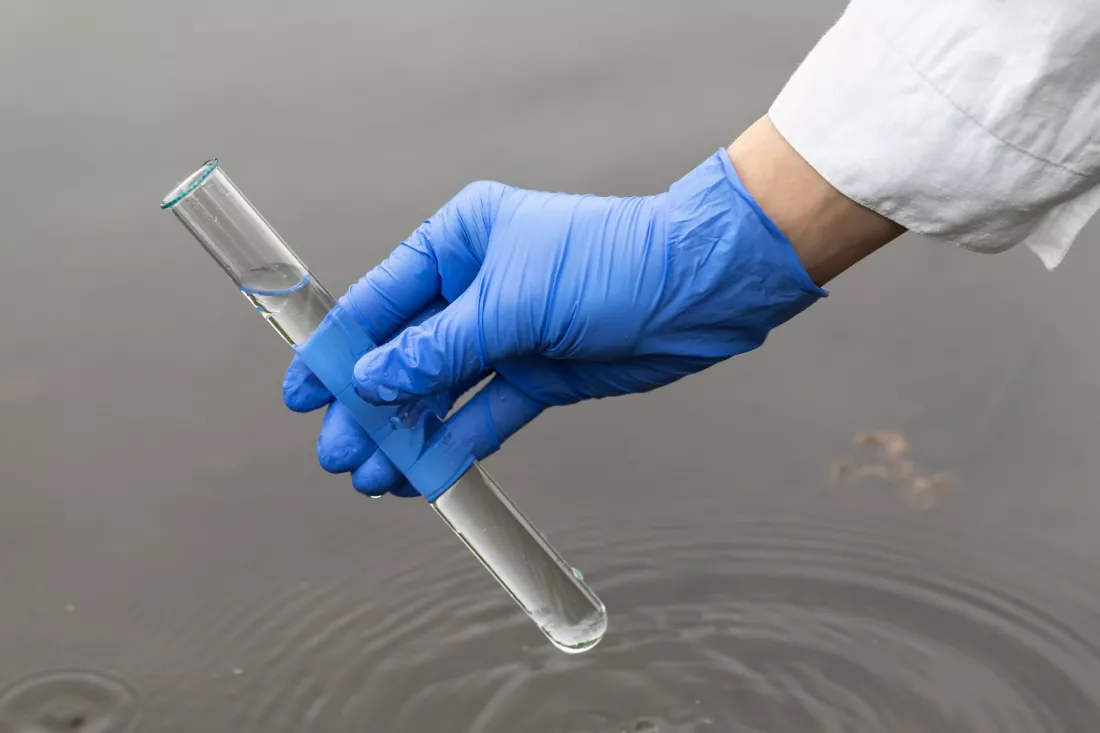
Fish farming is booming, yet only 37% of Europe’s surface waters meet environmental requirements. SusWater tackled this with an unusual toolkit: filters made from cellulose, chitosan, starch and gelatine, fungi taken from wastewater, light-driven catalysts and a pocket-sized sensor for trace pollutants. It is a field where chemists, biologists and materials scientists work side by side – and at the end you can check whether you have what it takes to be a clean-water detective.
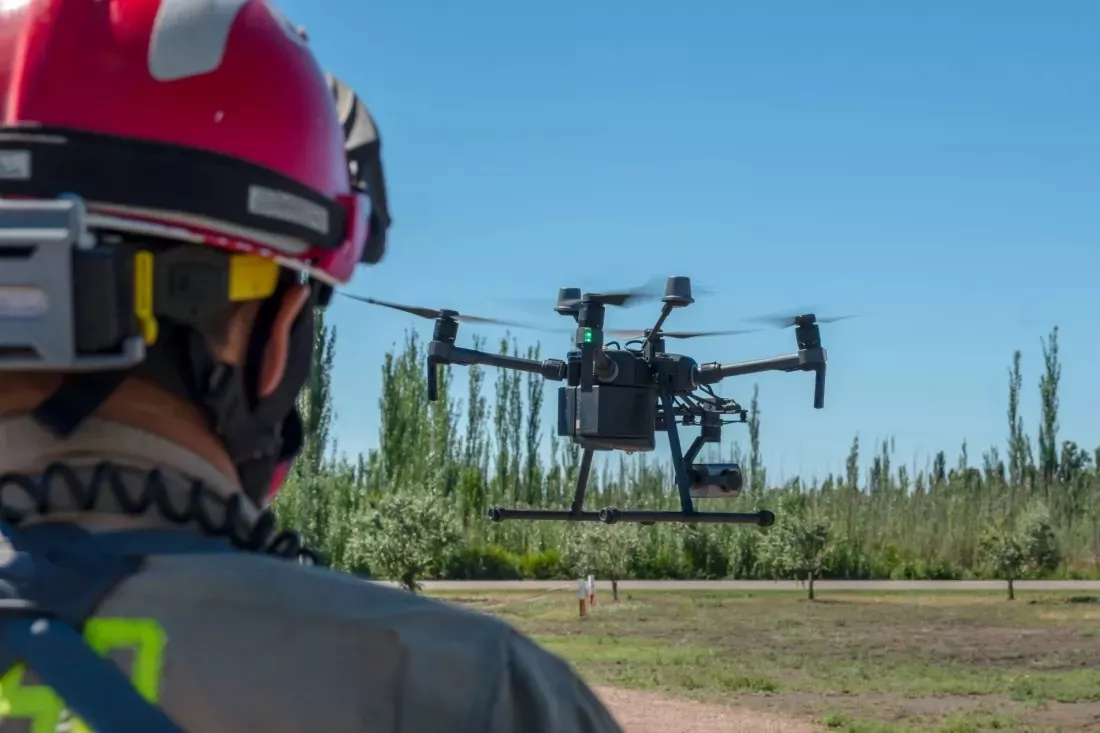
A forest fire or a flood means chaos: smoke, water, broken communication lines and dozens of teams that have to act together. The EU-funded OVERWATCH project combines data from satellites and drones, artificial intelligence and augmented reality so that rescuers can understand faster what is happening on the ground. The system was put to the test during exercises in Portugal and Poland – and at the end you can check how well you keep a cool head when every piece of information counts.
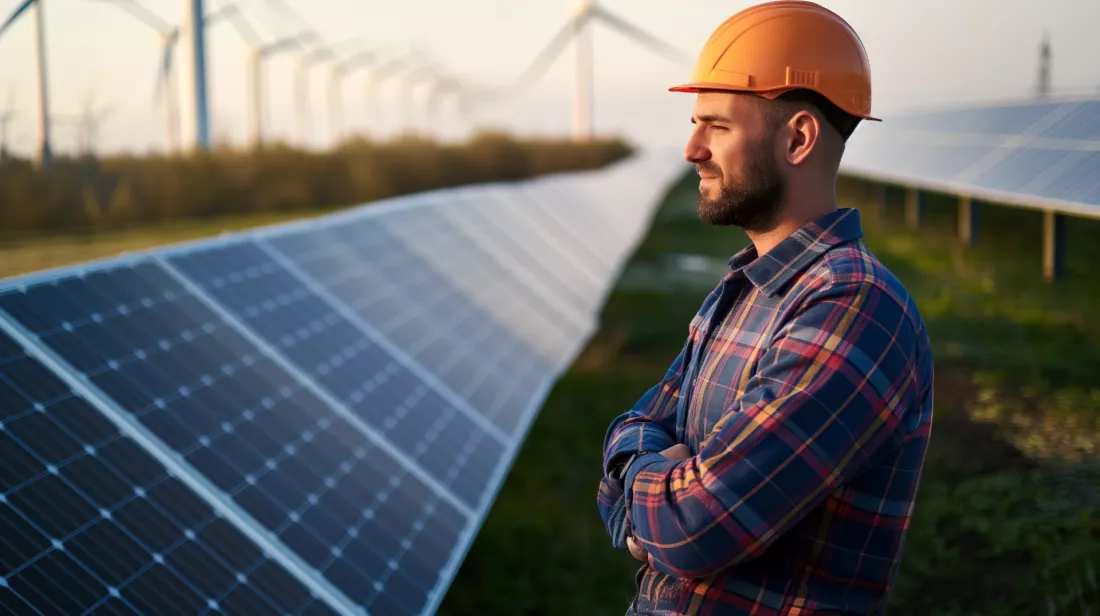
Sunshine and wind do not follow the schedules of electricity users: when the weather changes, so does the amount of power flowing into the grid. The EU-funded RESPONDENT project set out to reduce this uncertainty by combining data from Europe’s Copernicus and Galileo space programmes with readings from local weather stations, and put its platform to the test in Greece and Spain — and at the end you can check how well you understand the link between satellites and the grid.

Telescopes keep getting sharper and space missions keep travelling further, yet nobody has found confirmed evidence of life beyond Earth. An international team of researchers suggests that part of the problem may lie in how we look: science worries a lot about claiming life where there is none, and far less about missing real traces. Statistics students call this a false negative – and at the end you can check whether you have the eye of an alien-trace hunter.
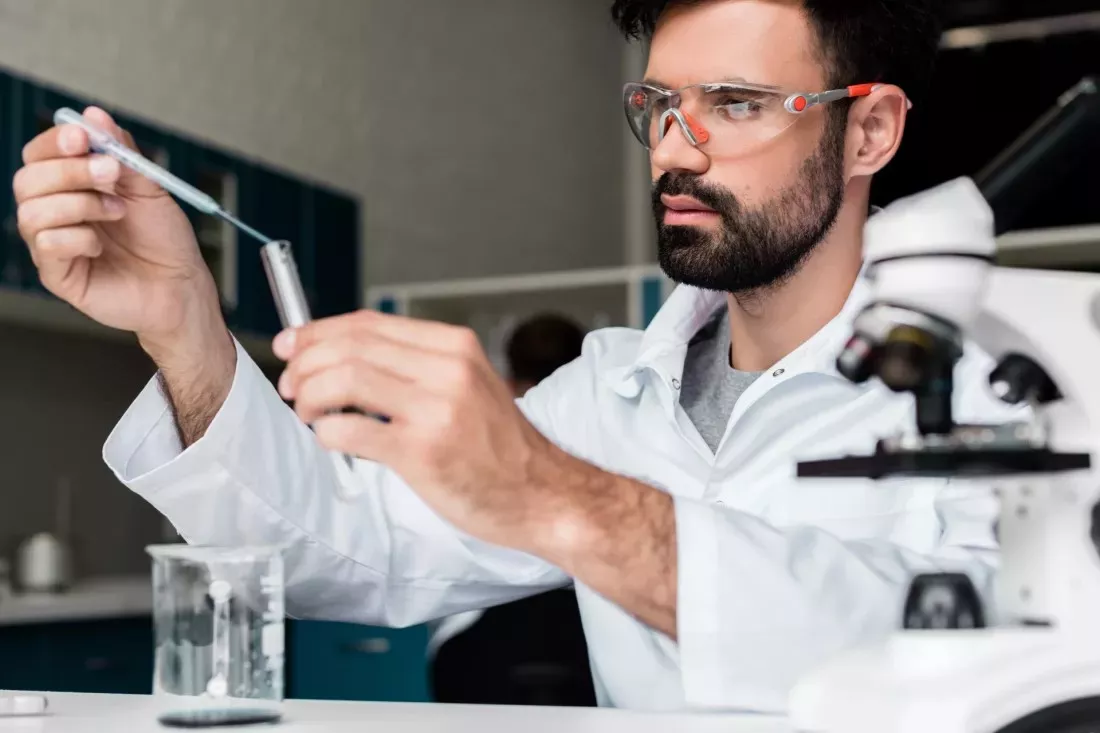
The human brain works entirely through chemical reactions, yet it is often called the most powerful computer in the world. The EU-supported CORENET project tested whether a similar principle can be used in the lab: networks of chemical reactions in microfluidic reactors processed data, and artificial intelligence read the answers from them. It is a field where chemistry, computer science and data analysis meet at one table – and at the end you can check whether this way of working suits you.
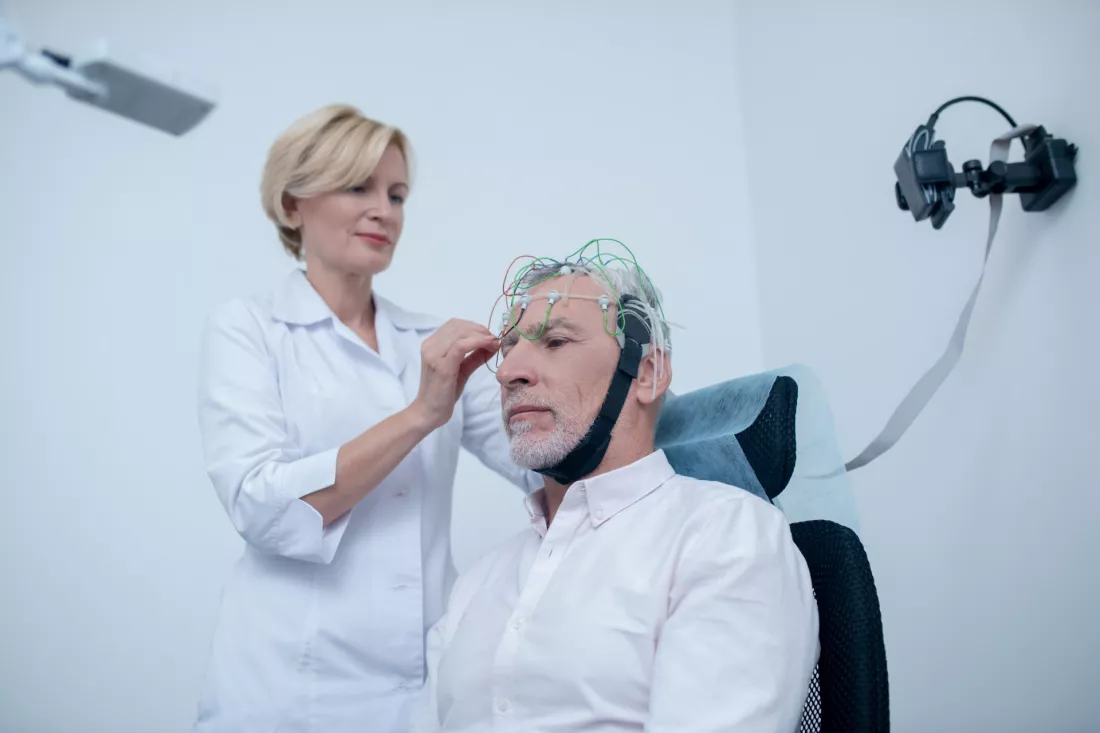
More than 10 million Europeans live with mild cognitive impairment, and about half of them will develop dementia within five years. Yet clinicians still lack an affordable way to tell who is most at risk. The EU-funded AI-Mind project brought EEG recordings, blood biomarkers and cognitive assessments together in an AI-based decision-support system — and at the end you can check whether you caught the key details of the story.
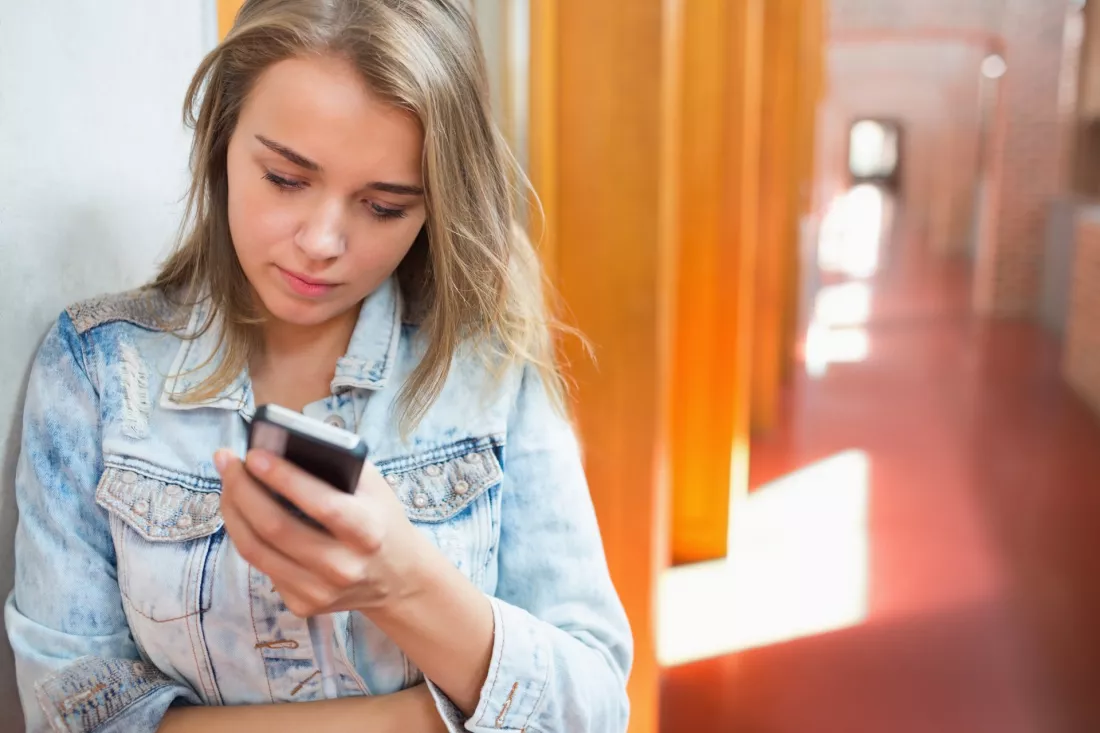
Every time you log in, sign up or confirm your age online, a bit of your personal data goes somewhere. The EU-funded TrustED project wants to change the rules of that game: it combines a digital identity wallet, federated learning and advanced encryption so that people and organisations can share data securely and still keep their privacy. The team has already tried it out with volunteers and in hospitals — and at the end you can check how well you look after your own digital identity.
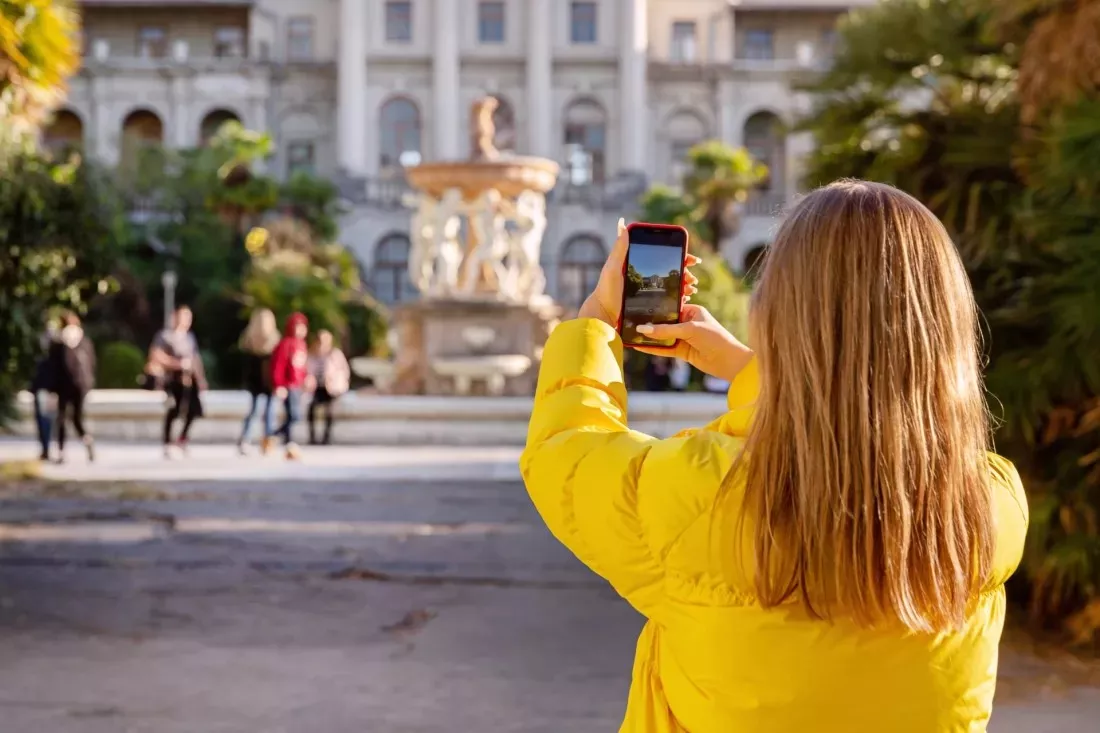
Likes, comments and holiday photos may influence where people travel more than it seems, but not everyone in the same way. American researchers analysed responses from over 2 800 travellers across four generations and checked who plans trips with online reactions in mind. The results can be surprising, especially for Gen Z and Gen X — and at the end you can check how much your own travel plans depend on social media.

In Ethiopia, undernutrition persists while overweight and obesity are rising, especially among women in cities. For years the main response was nutrition education. The EU-supported TAMMIE project handed cameras to women themselves and combined their experiences with policy analysis. It found that money and time, rather than knowledge, stand in the way of healthy diets — and at the end you can check whether you see why this is a problem for the whole system.

Many companies want their staff back at their desks five days a week, but new research from the United States suggests that this may not be the smartest move. A team that surveyed over 7,700 workers found that people working fully remotely reported the highest well-being, while those always on site reported the lowest. Even one of the authors expected a different result. So who is right, the bosses or the data? Read on – and at the end you can check whether remote work is really your thing.
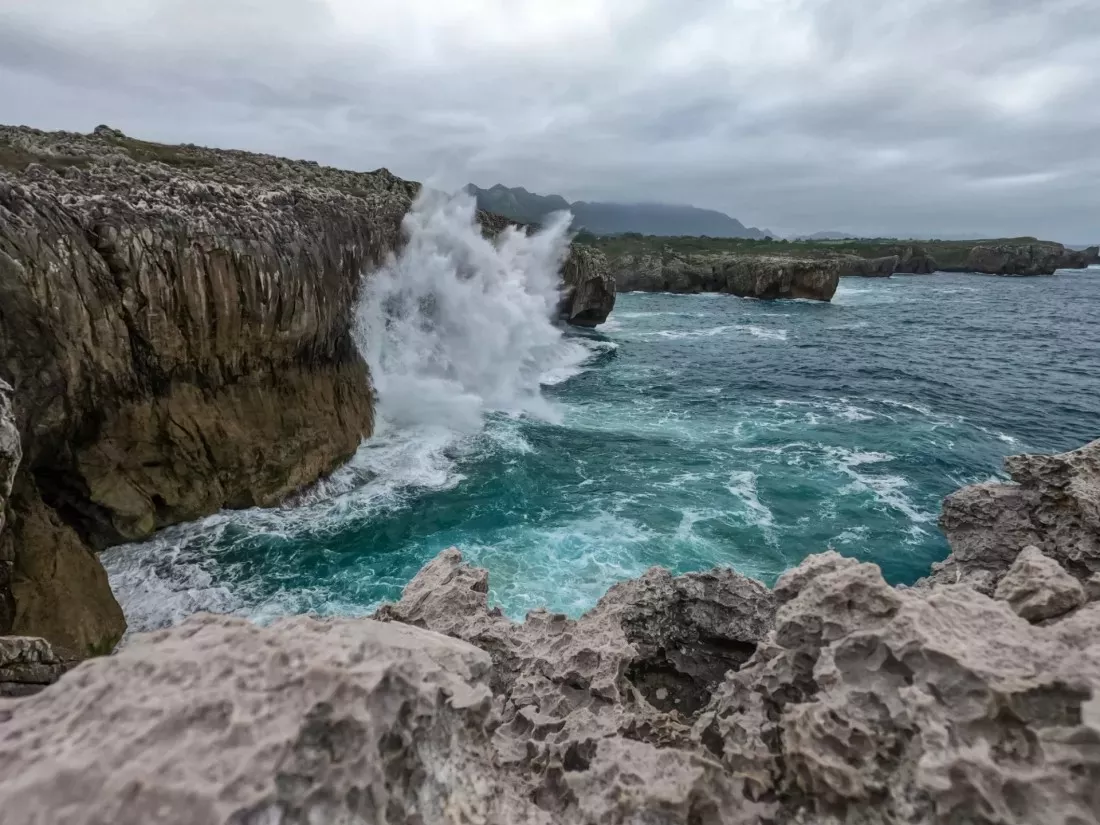
Fibre-optic cables already lie on the seabed along almost every coastline – and they could soon start watching over people on land. A team from the University of Alcalá, working in the SAFE project, has shown that a single fibre can be turned into a network of thousands of sensors that pick up an approaching tsunami, at a fraction of the cost of buoys or seabed seismometers. It is a story about physics, the sea and doing the maths on costs – and at the end you can check whether you think like an early warning system designer.
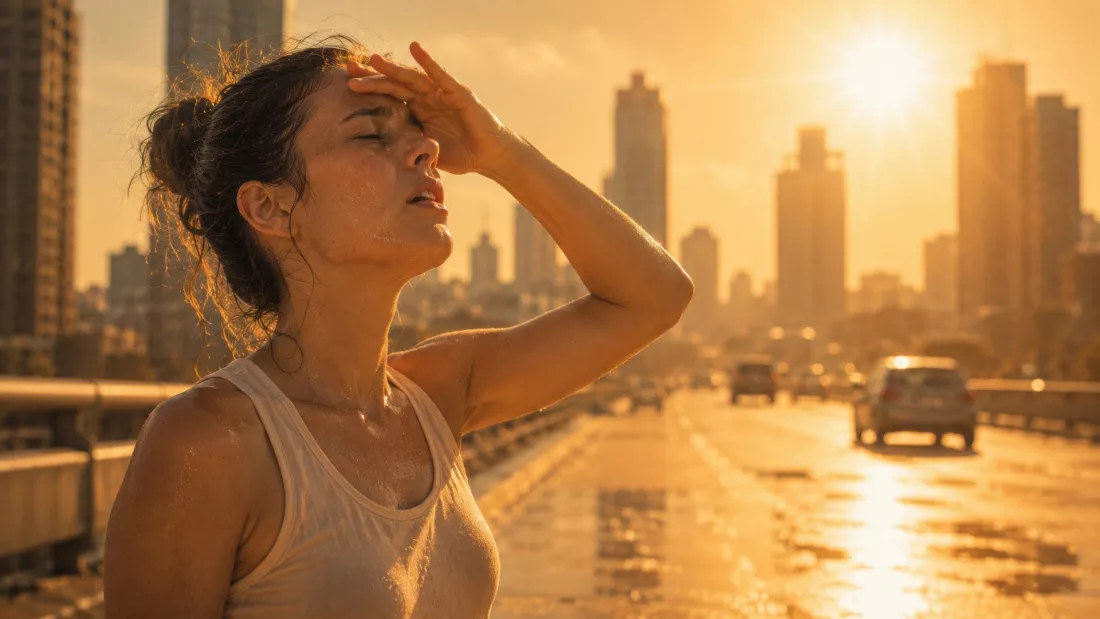
Around 604 extreme weather events were recorded worldwide in 2024, and many were described as unusual or unprecedented. The EU-funded XAIDA project set out to show how climate change shapes such events and how they can be better understood. Using machine learning and deep learning, the researchers found a worrying result: in many regions, heatwaves are increasing faster than climate models expected – and at the end, you can check how well you handle the heat yourself.
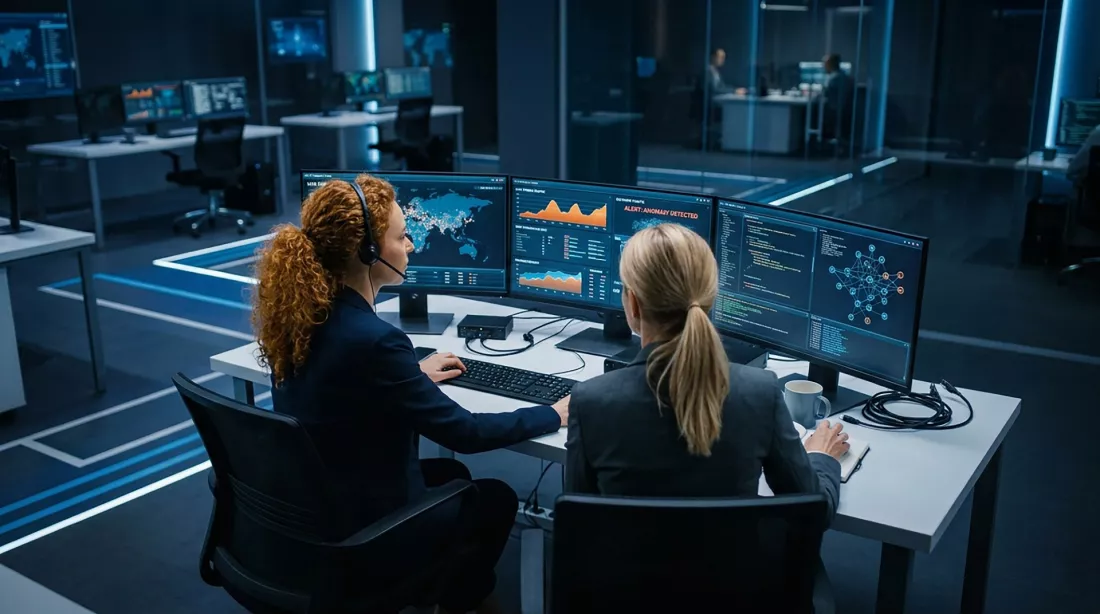
Cybercriminals do not stop at borders, but the police who chase them usually do. The EU-funded CYCLOPES project spent five years bringing European law enforcement officers, researchers and industry around one table: it ran workshops, built a shared database of tools and helped spark a Belgian anti-phishing initiative that has already blocked around 1,600 fake websites. Here is how the network works — and at the end you can check whether you have a nose for tracking down online criminals.
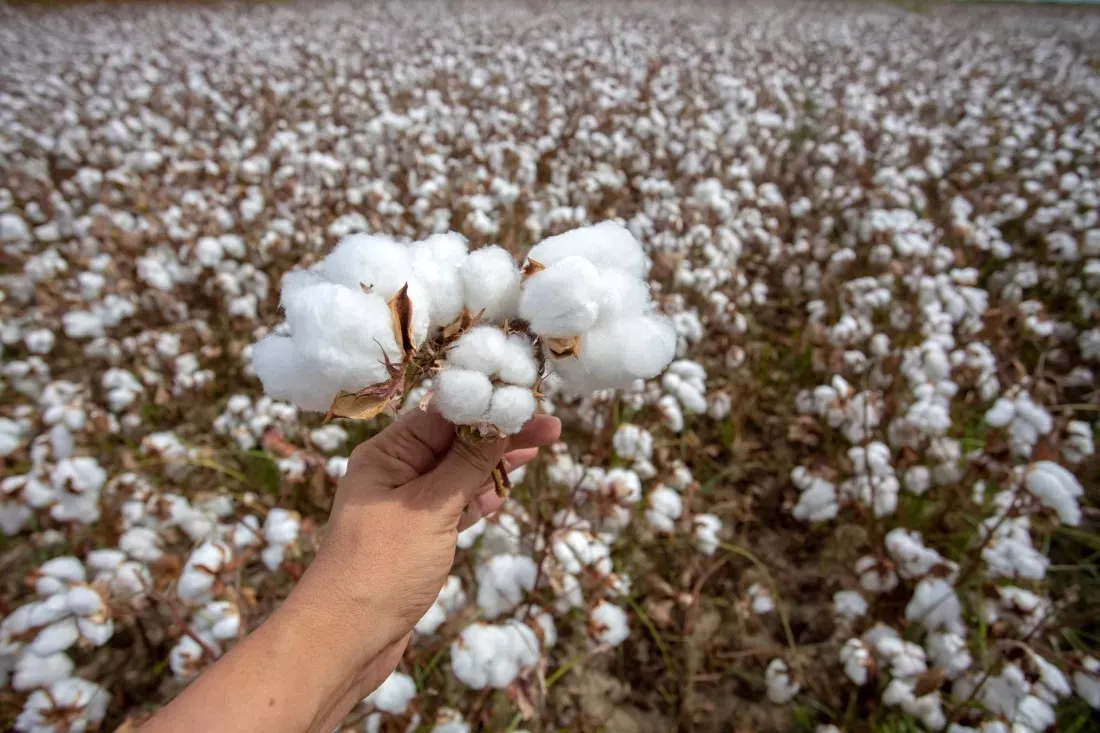
Dyeing fabric is one of the most environmentally damaging steps in making clothes: it uses huge amounts of water, and a lot of the dye never binds to the textile and stays in the water. A team led by Filipe Natalio at the NOVA University of Lisbon is taking a completely different route and wants cotton to take on its colour while the plant is still growing. The HYDROCOLTON project combines chemistry, plant biology and hydroponics – and at the end you can check how eco-friendly your wardrobe is.
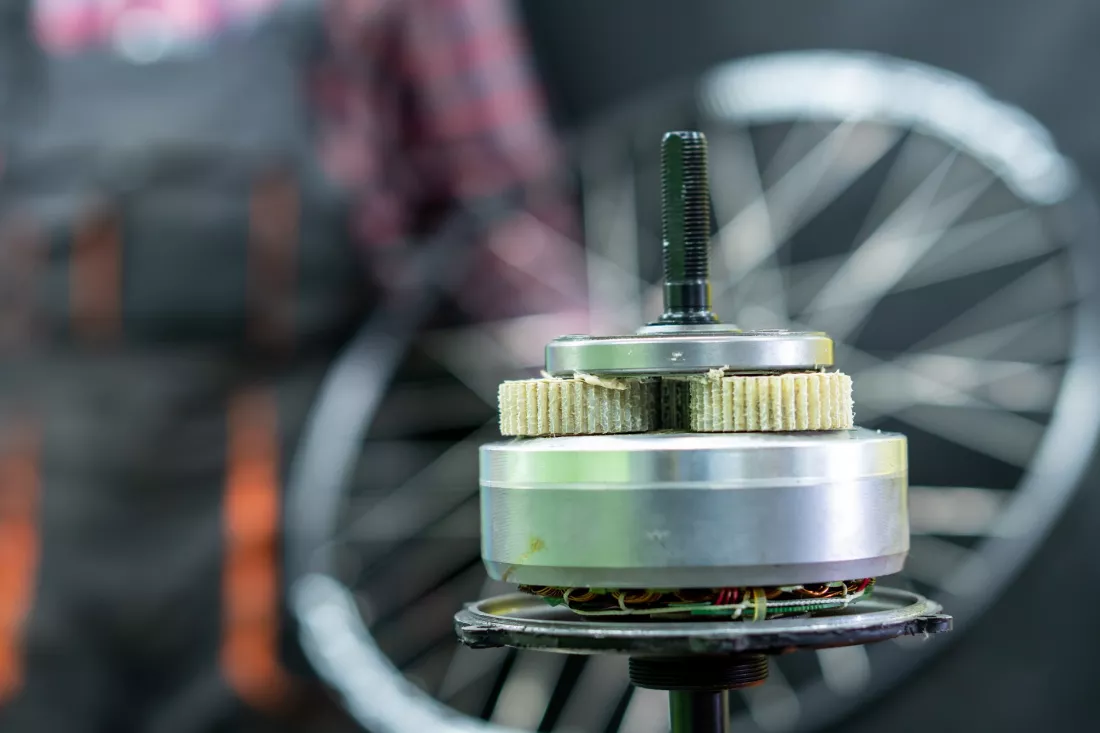
Wind turbines, electric vehicles and mobile phones share a hidden ingredient: magnets made with rare earth elements. Yet less than 1 % of REE magnets in Europe are currently recycled. The EU-funded REEPRODUCE project is testing how to take them out of end-of-life products, such as electric scooter wheels, and turn them into new metals in a way that makes economic sense – and at the end, you can check what you do with your own old electronics.
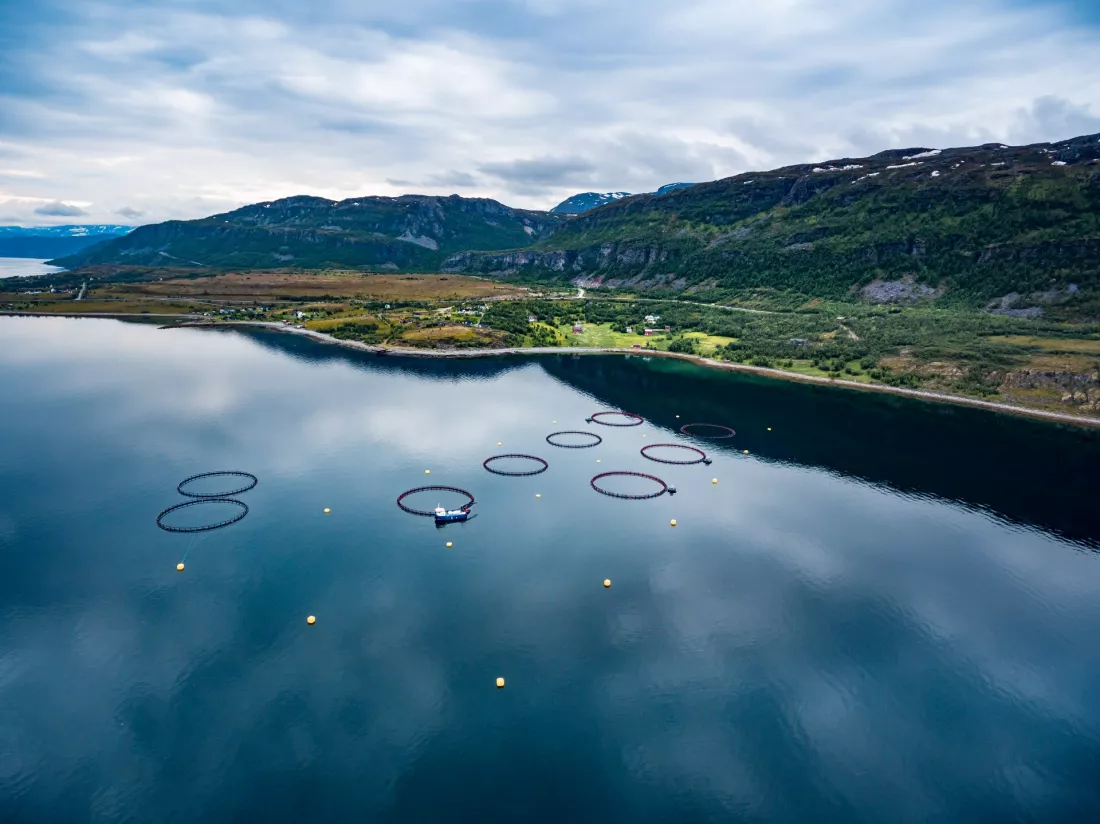
Farmed salmon owe their pink flesh to astaxanthin, and most of that pigment still comes from petrochemical processes. The EU-funded ASTEASIER project engineered microalgae that make it without the stress they normally need, scaled production up with industrial partners and tested the pigment in trials on fish farms. Now a project spin-off wants to take the idea to market — and at the end you can check whether industrial biotechnology could be your thing.

Insulated walls and new windows sound like good news for anyone renting a room. But across Europe, energy renovations can also push rents up and leave the most vulnerable behind. The EU-funded PREFIGURE project is studying local initiatives that manage to make homes energy-efficient, affordable and inclusive at the same time – and at the end you can check how energy-smart your own way of living is.
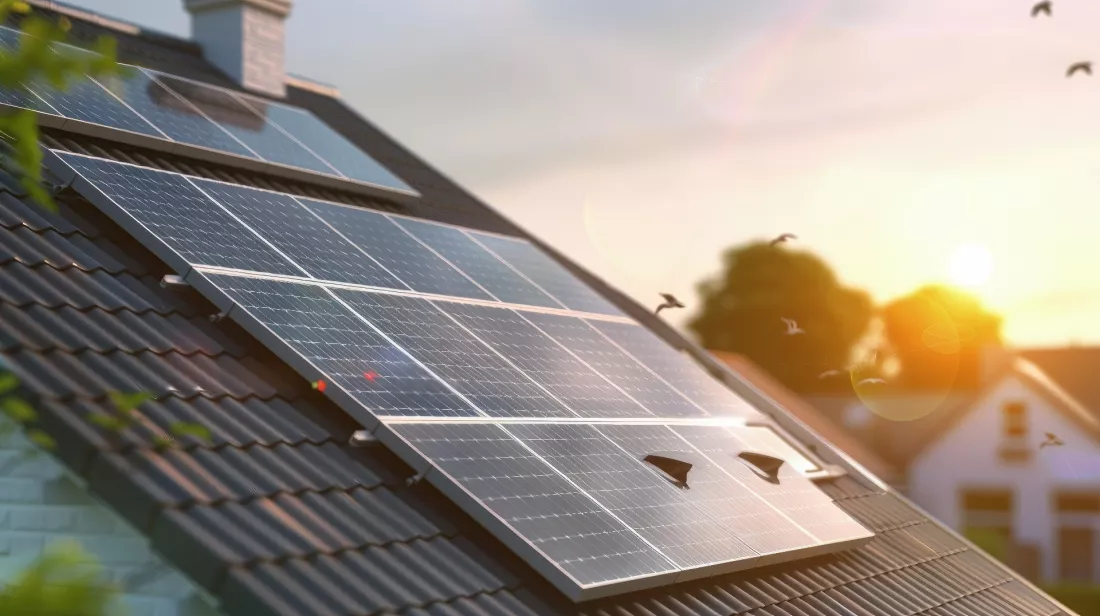
Solar cells have a weak spot: the stronger the sunshine, the hotter they get, and hot cells lose efficiency. The EU-funded NANOSPLIT project found a way around it – hybrid nanofluids made of zinc oxide sheets and gold nanoparticles that work as intelligent light filters. Part of the sunlight is turned into electricity, while the rest becomes useful heat for hot water or space heating – and at the end, you can check how you use energy yourself.
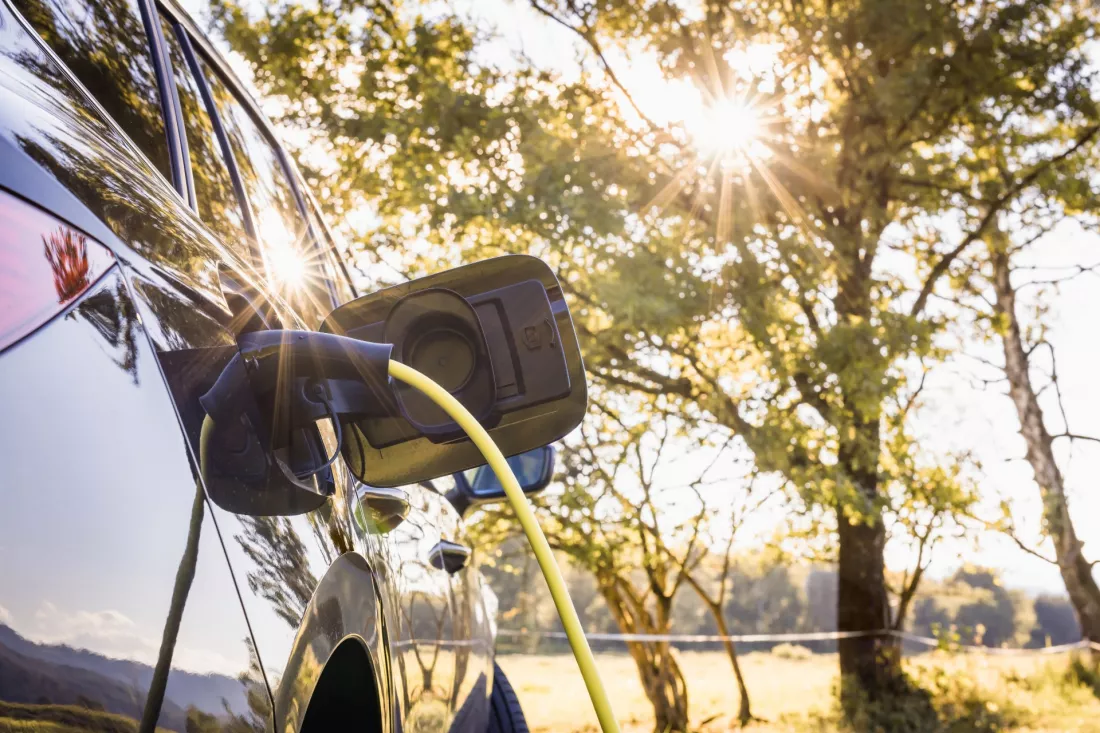
An EU research project ends, the final report is filed – and then what? HiEFFICIENT, which ran from 2021 to 2024, shows that the story can go on: its power electronics for electric vehicles are turning into chargers, inverters, a spin-off company and a follow-up project. It offers a concrete, step-by-step look at how semiconductor research actually reaches real cars — and at the end you can check whether power electronics might be the right field of study for you.
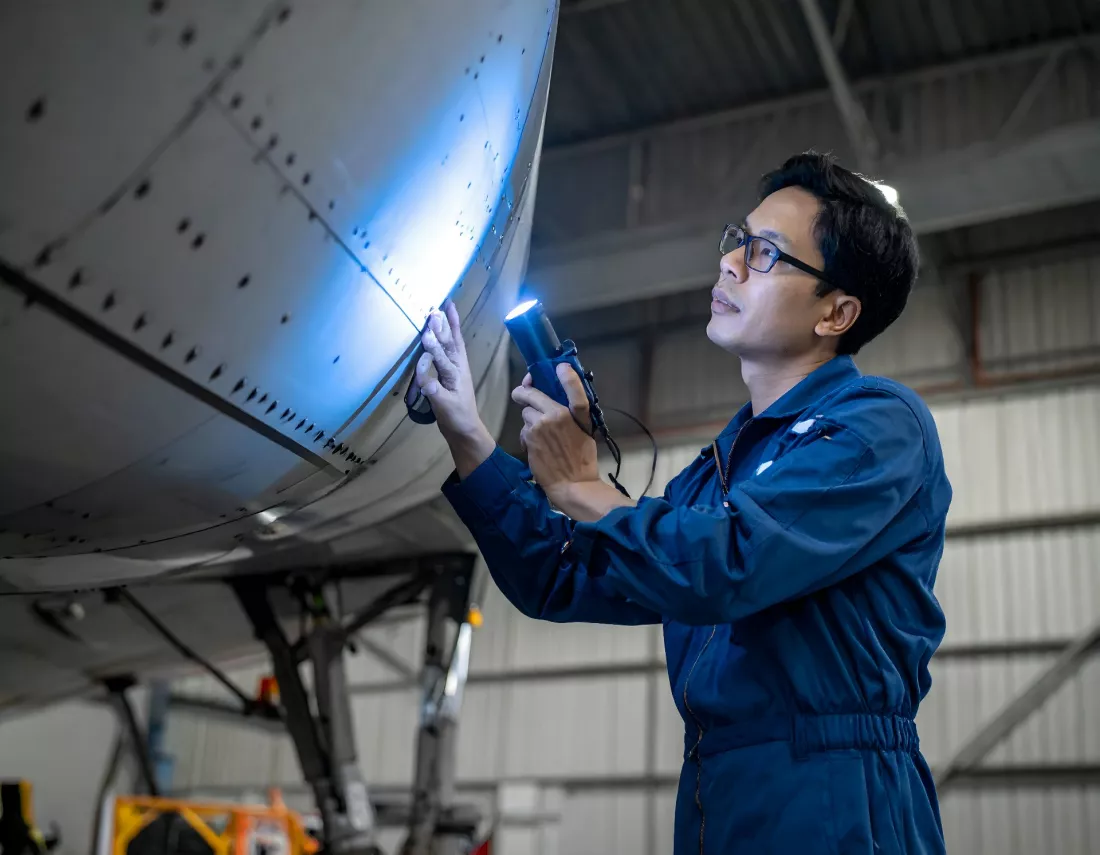
Aviation’s environmental impact is not only about emissions in the air but also about waste: retired aircraft, expired materials and disposed parts. The EU-funded GENEX project looked for ways to make aircraft components last longer. The team combined recyclable composites, sensors feeding a digital twin and digitally assisted repairs – and at the end, you can check how well you look after your own things.
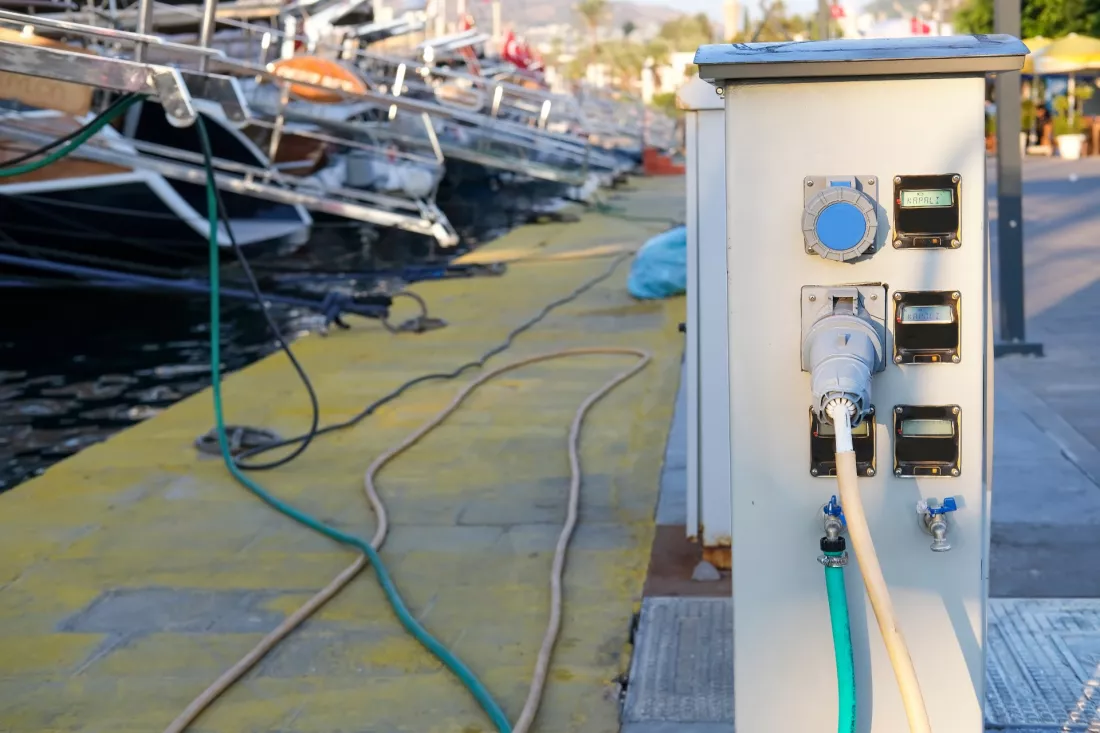
A battery-electric ferry has only a short stop in port to top up its energy, and during that time it keeps moving with the tide and the wind. The EU-funded HYPOBATT project built an automated megawatt charging system that finds the socket, connects quickly, looks after the batteries and helps keep the timetable, tested on a real ferry route — and at the end you can check what kind of traveller you are when the schedule starts to slip.
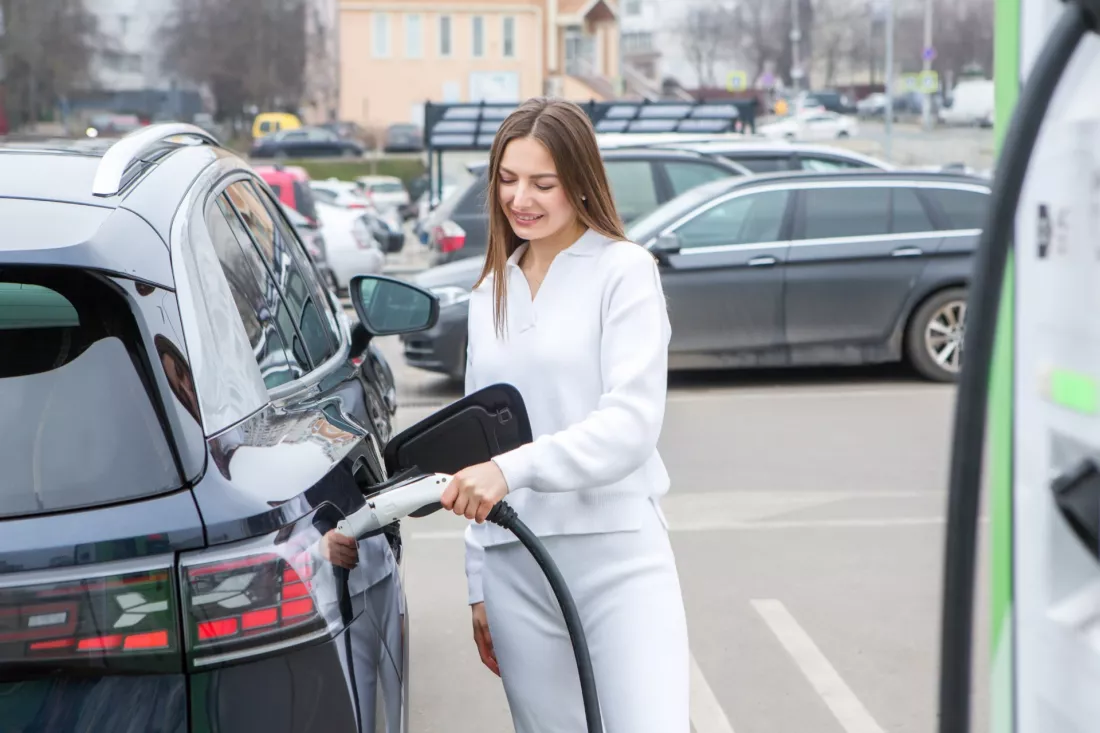
Limited range, long charging stops and too few charging points still keep many drivers away from electric cars. The European OPEVA project brought together 35 partners from nine countries to tackle these worries with artificial intelligence, energy-aware route planning for delivery vans and smarter battery management that watches every single cell – and at the end you can check whether you are ready to swap a petrol car for an electric one yourself.
 EN
EN 
 CS
CS DE
DE ES
ES FR
FR HU
HU IT
IT PL
PL PT
PT РУ
РУ SK
SK TR
TR УК
УК AR
AR 中文
中文