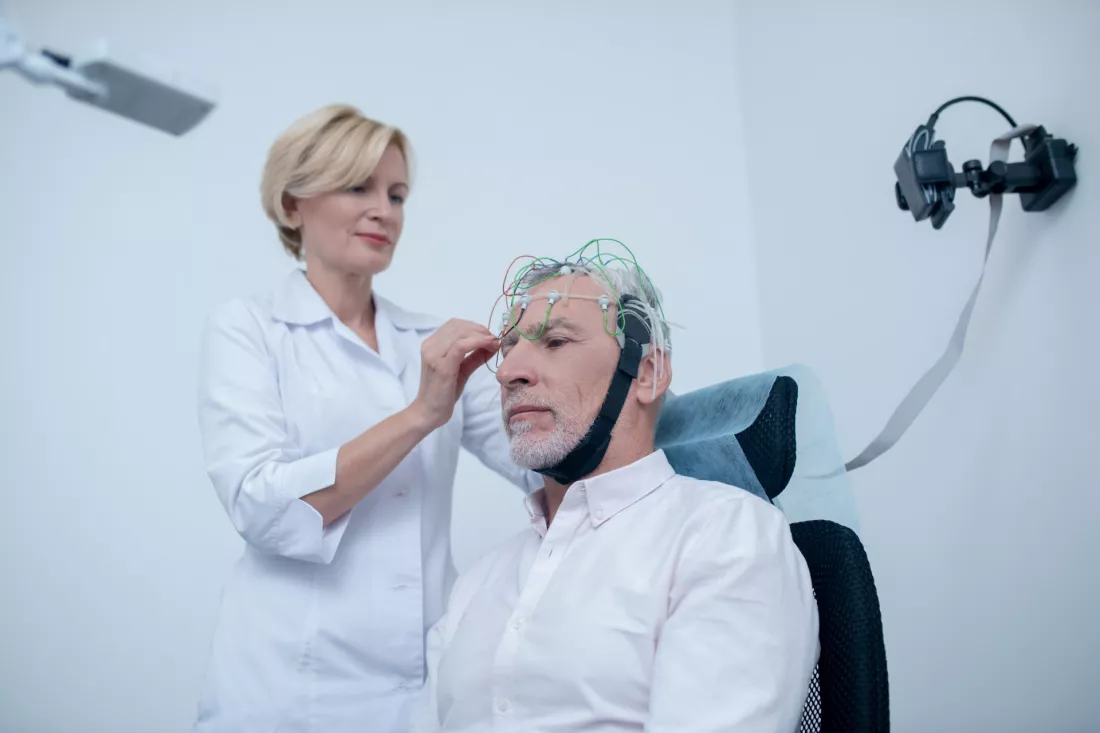
More than 10 million Europeans live with mild cognitive impairment, and about half of them will develop dementia within five years. Yet clinicians still lack an affordable way to tell who is most at risk. The EU-funded AI-Mind project brought EEG recordings, blood biomarkers and cognitive assessments together in an AI-based decision-support system — and at the end you can check whether you caught the key details of the story.

Every time you log in, sign up or confirm your age online, a bit of your personal data goes somewhere. The EU-funded TrustED project wants to change the rules of that game: it combines a digital identity wallet, federated learning and advanced encryption so that people and organisations can share data securely and still keep their privacy. The team has already tried it out with volunteers and in hospitals — and at the end you can check how well you look after your own digital identity.
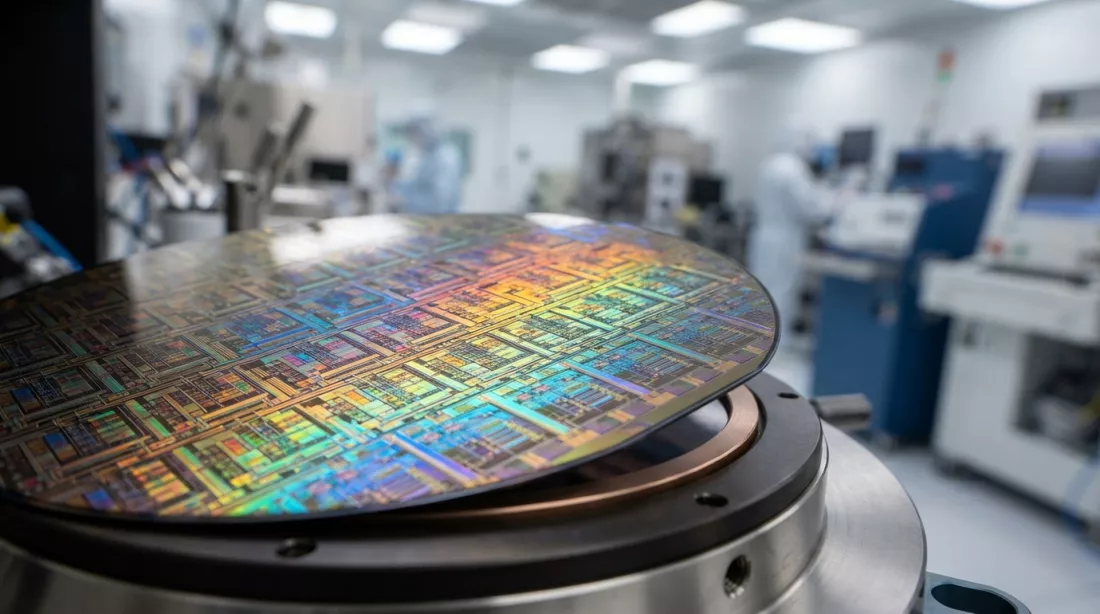
Every photo, message and backup has to sit somewhere, and the world is running out of convenient somewheres. DNA is a tempting answer: huge capacity in almost no space, and it lasts. Writing into it, though, has meant harsh solvents and specialised laboratories. A team in the EU-funded HYPERION project took a silicon chip designed to listen to nerve cells and used it to write 64 DNA sequences at once, in plain water — and then hit a wall somewhere nobody had been looking, which is what the five questions at the end are about.

Asking whether artificial intelligence is ethical no longer gets anyone very far. The EU-funded AIOLIA project, with Petra Saskia Bayerl of Sheffield Hallam University as its lead researcher, starts somewhere else: with what these systems do to human judgement, and what has to be put in place once a machine starts suggesting answers. Its guidelines cover six European situations, from medical diagnosis to recruitment - and the habit they all come back to is how much of your own judgement you hand over to a model.
Dozens of cities from across Europe are embarking on unprecedented action to achieve climate neutrality.
Over 100 patients from Europe, Australia and the United States have enrolled in a clinical trial testing a novel treatment for type 1 diabetes (T1D).
Two full-depth moorings have been deployed to enhance our knowledge of South Atlantic currents and ecosystems.
A new Finnish study reveals that slashing alcohol prices leads to an increase in abortions and adverse birth outcomes.
It is not only paid work that is important. British and Japanese experts share their views on what automation has in store for unpaid domestic work.
Researchers have used laser pulses to make a special carbon molecule switch an electron’s path in a predictable way.
From education to the workplace, the new AI tool ChatGPT is worrying many people.
The tinder fungus’s newly discovered properties are inspiring biodegradable alternatives to current plastics and other materials.
EU-backed researchers are deploying a fleet of autonomous robots to tackle litter on the ocean surface and floor.
EU-backed research disproves claims of a foetal microbiome.
Is an inventory of the carbon stocks of all trees throughout a country possible? Yes, say EU-backed researchers, and go on to demonstrate it in Rwanda, Africa.
How many fact-checked Facebook posts have disappeared? How well are disinformation links archived? An EU-backed project searches for the answers.
A Swedish case study highlights the need for a better connection between humans, animals and the environment in pandemic management.
Can changing a child’s diet help treat attention deficit hyperactivity disorder (ADHD)? An EU-backed study investigates two different dietary interventions to find the answer.
A personalised brain modelling technique developed with EU support shows promise in detecting seizure-causing areas in the brain.
Machine learning can help predict poor glycaemic control in patients with type 2 diabetes (T2D), according to new research.



 EN
EN 
 CS
CS DE
DE ES
ES FR
FR HU
HU IT
IT PL
PL PT
PT РУ
РУ SK
SK TR
TR УК
УК AR
AR 中文
中文