The body clock and metabolism
The body clock and metabolism
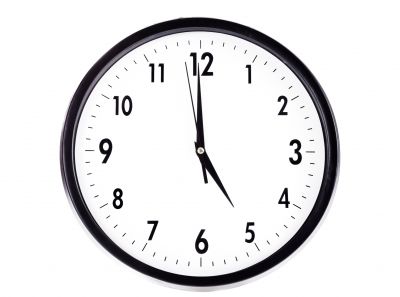
The circadian or body clock is a 24-hour cycle that regulates various physiological processes. Understanding how circadian oscillations extend to metabolism was the subject of a European study.
Circadian oscillations rely on the master proteins CLOCK and BMAL1 to
drive rhythmic gene expression implicated in certain biological
functions under circadian control. To date, most studies have analysed
oscillations of the transcriptome. However, since proteins are the true
mediators of cellular function, scientists need to re-evaluate their
approach and extend their work at the proteomic level.
The EU-funded 'Circadian clock function by quantitative proteomics
and phosphoproteomics' (CLOCKPROTEOMICS) project looked at the role of
proteins in circadian clock function in mouse tissue. Scientists
utilised state-of-the-art mass spectrometry in combination with
quantitative proteomics to investigate circadian rhythms in mammalian
protein expression.
Researchers discovered that approximately 6 % of the liver proteins
are cycled daily and their oscillations differ from those of their
transcripts. This clearly indicated that post-transcriptional mechanisms
are the ones that drive the phase of rhythmic proteins and metabolic
processes.
The circadian oscillations of liver proteins seem to be
instrumental, not only for metabolism, but for other cellular processes.
The next step in the project was to describe the circadian oscillations
in phosphorylated proteins, a modification associated with enhanced
protein function. Results showed circadian oscillations in the
phosphorylation levels of liver proteins.
Furthermore, scientists analysed which protein complexes bind to
clock DNA consensus sequences, and especially onto the promoter of the
period circadian protein homolog 2 (per2) gene. They identified
additional proteins in addition to BMAL and CLOCK that bind to consensus
DNA sequences and described for the first time a role of clock proteins
in chromatin modification.
The work by the CLOCKPROTEOMICS study has emphasised the importance
of the circadian clock in mammalian metabolism. The researchers
haveprovided a firm knowledge platform on the mechanism by which CLOCK
proteins regulate gene transcription.
published: 2015-03-11



 EN

 CS
 DE
 ES
 FR
 HU
 IT
 PL
 PT
 РУ
 SK
 TR
 УК
 AR
 中文