
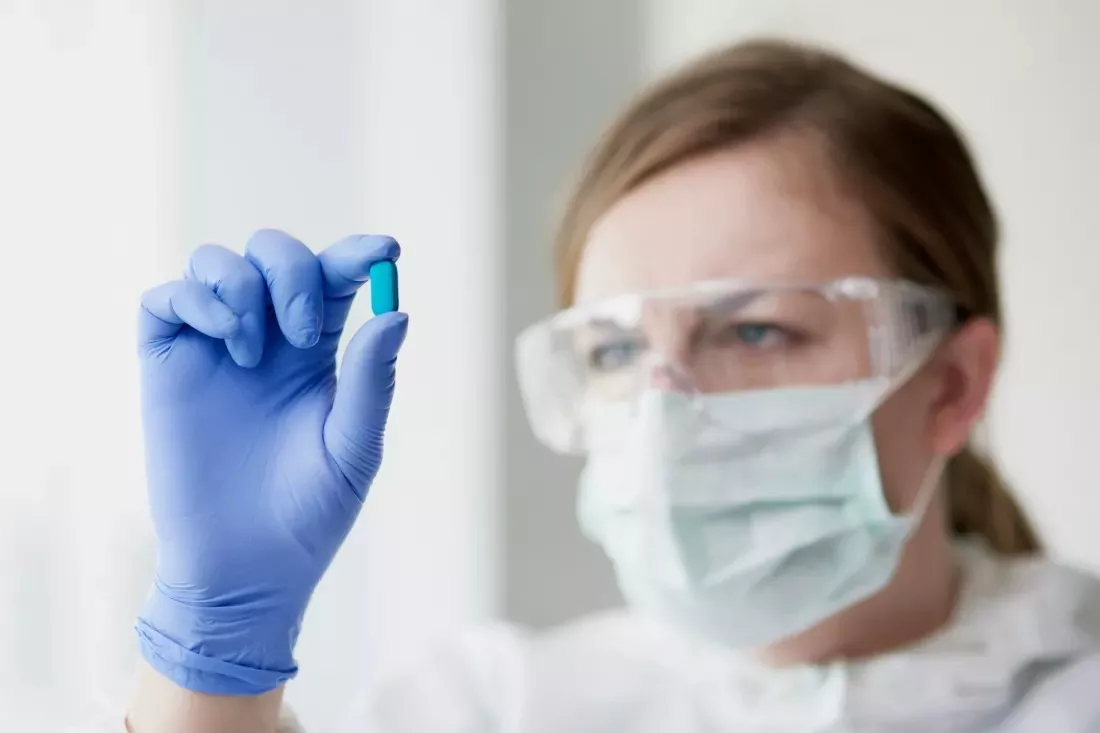
A pill that checks how your gut is doing, then simply gets digested like a meal, sounds like science fiction. Yet the EU-supported ELFO project, run at the Italian Institute of Technology from 2020 to 2025, built exactly this kind of electronics from honey, toothpaste pigment, seaweed and red cabbage juice. The aim is safer, more sustainable devices that could one day replace some invasive procedures — and at the end you can check whether you would trust a pill with a sensor.
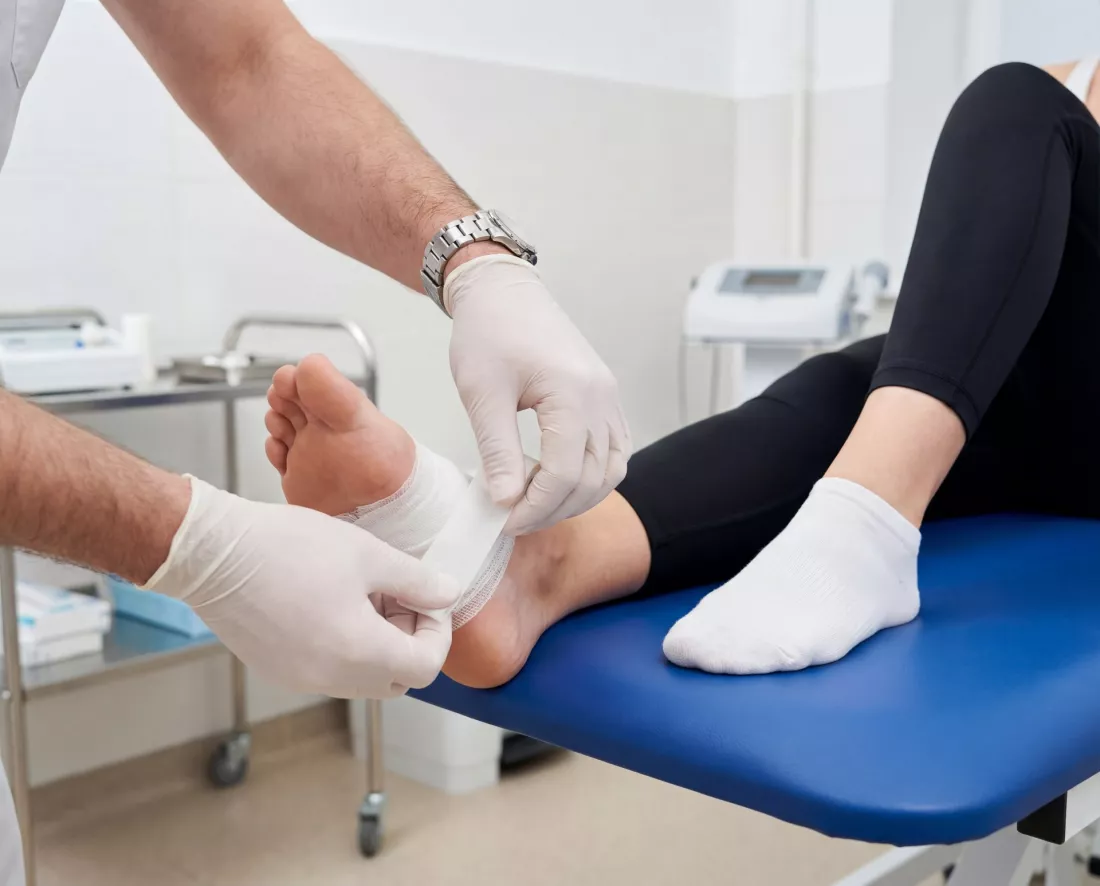
Diabetic foot ulcers affect about a quarter of the more than 800 million people with diabetes worldwide. Today they are mostly cleaned and dressed, which means treating the symptoms. The EU-funded APTADEGRAD project takes a different route: its compounds remove excess inflammatory proteins from the wound by recruiting the natural recycling system inside our cells – and at the end you can check whether you have a head for biotechnology.
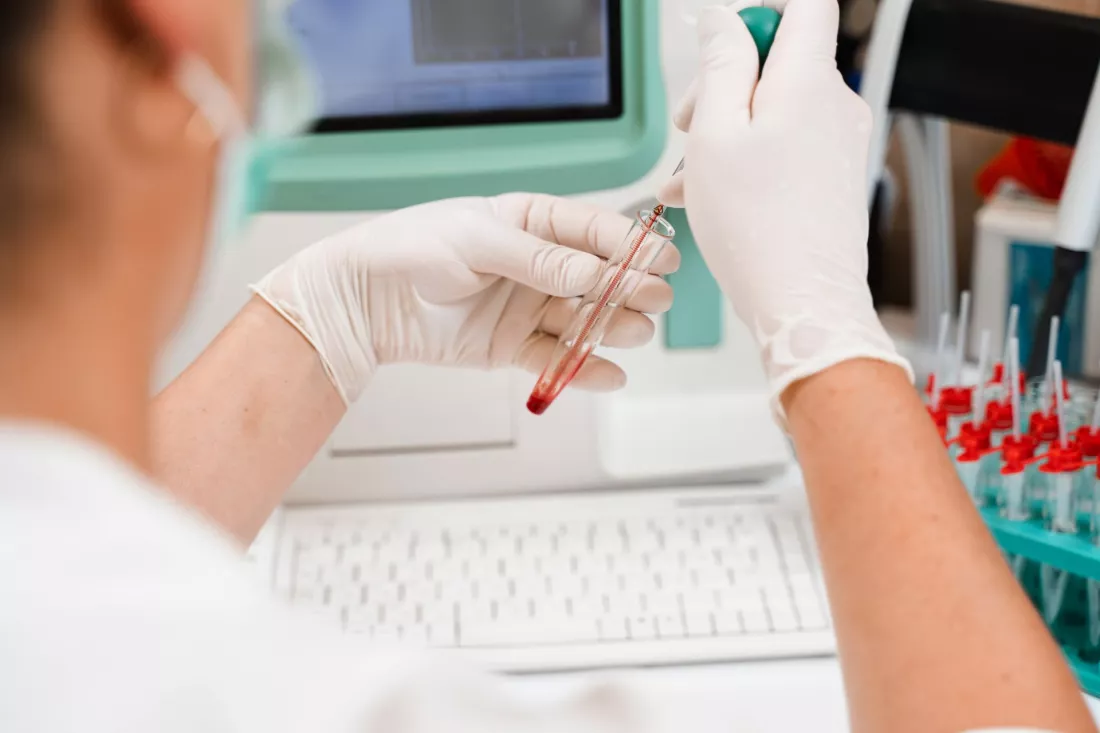
After a kidney transplant, the dose of immunosuppressive drugs has to be just right: too little and the new organ is rejected, too much and the patient is exposed to dangerous infections. A European project has tested whether a harmless virus that almost everyone carries in their blood can act as a gauge of the immune system and help doctors find the balance – and at the end you can check how good you are at finding the happy medium yourself.
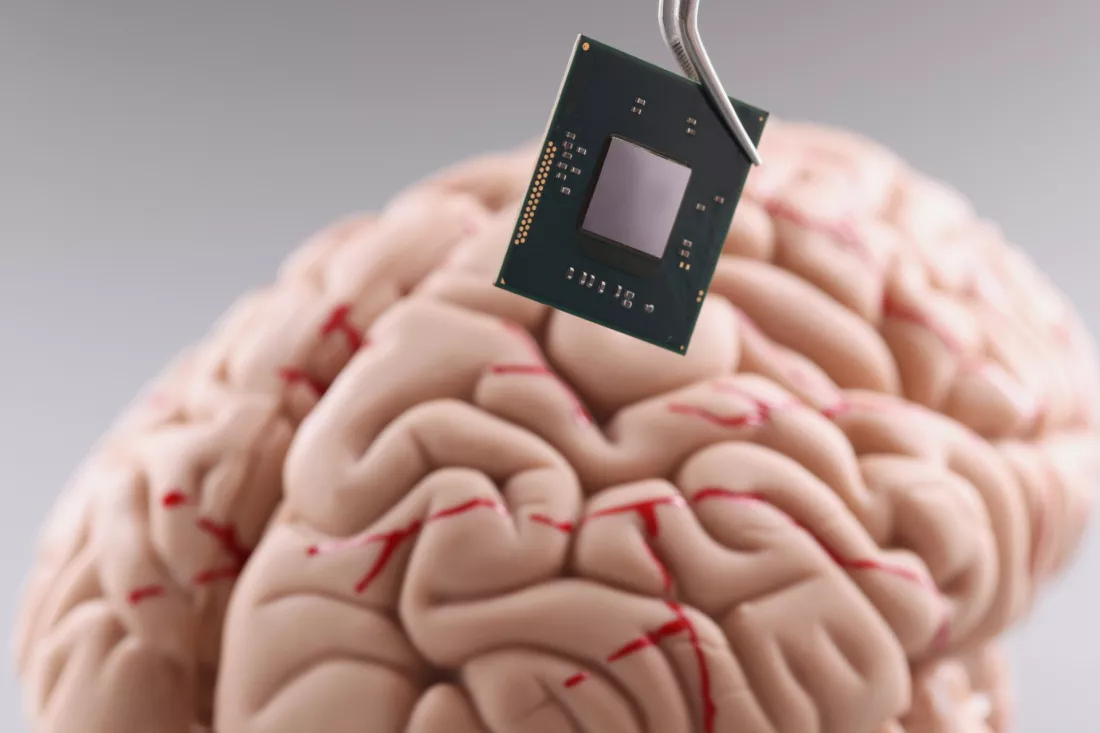
Brain–computer interfaces sound like pure science fiction, yet their biggest obstacle turns out to be ordinary physics: too much data, too little bandwidth and far too much heat inside the skull. A European team behind the IoN project has found a clever way around it, sending neural signals through body tissue instead of radio waves and transmitting only when neurons actually fire — and at the end you can check whether you have the kind of mind neurotechnology needs.
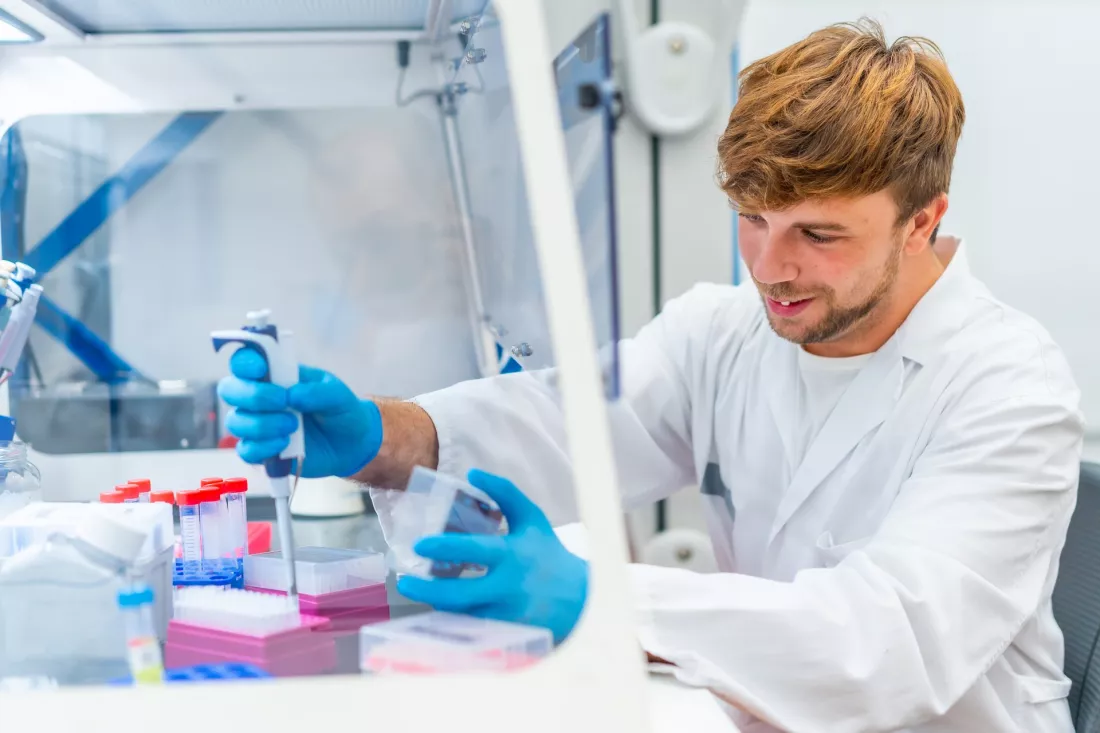
Coffee waste and peanut shells normally end their life in a bin. In a European project coordinated from Lyon they became the raw material for the carbon cores of nanoparticles smaller than twenty nanometres — particles that show a tumour on an image and attack it at the same time. In animal studies the team reports up to 97% inhibition of tumour growth. It is a story about materials chemistry, biology and imaging meeting inside one object — and at the end you can check how you look at things everyone else calls waste.

Almost 60 million people in Europe live with hearing loss, and the standard test only asks one thing: how quiet a tone you can still catch. Plenty of people pass it without a problem and then sit down in a loud bar catching maybe half of the conversation. A team in Ghent has a name for that gap, a digital copy of the inner ear that explains it and a patented sound that measures it — and at the end you can check how much noise your own ears put up with.


 EN
EN 
 CS
CS DE
DE ES
ES FR
FR HU
HU IT
IT PL
PL PT
PT РУ
РУ SK
SK TR
TR УК
УК AR
AR 中文
中文