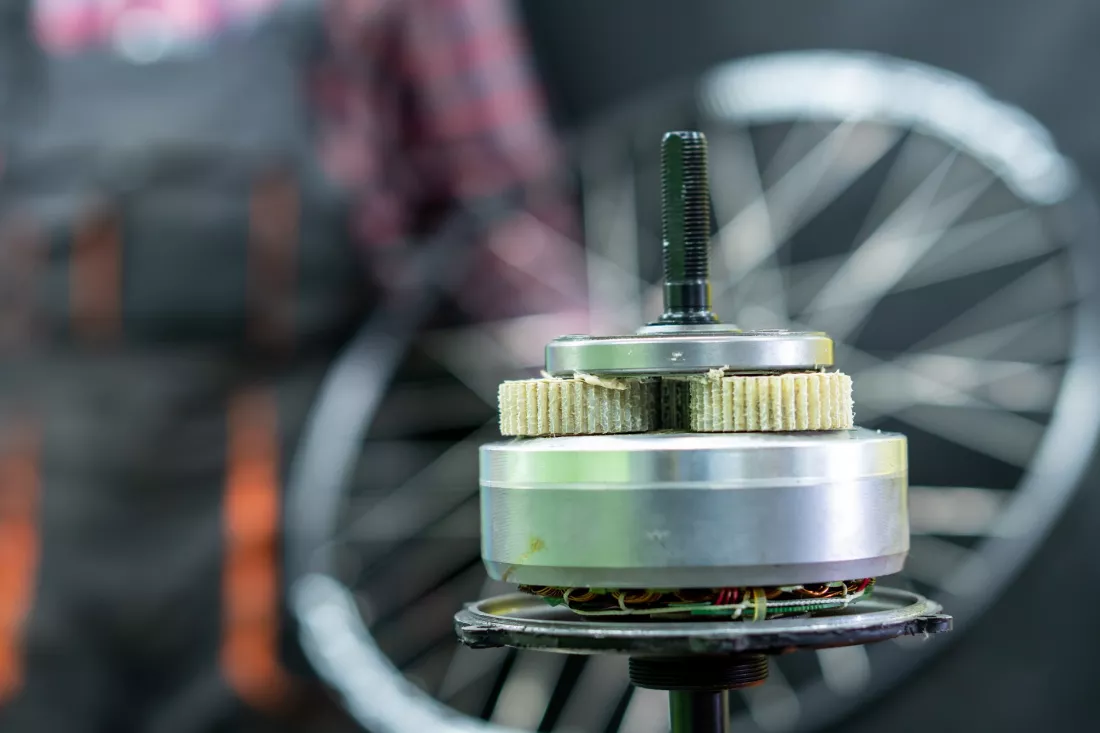
Wind turbines, electric vehicles and mobile phones share a hidden ingredient: magnets made with rare earth elements. Yet less than 1 % of REE magnets in Europe are currently recycled. The EU-funded REEPRODUCE project is testing how to take them out of end-of-life products, such as electric scooter wheels, and turn them into new metals in a way that makes economic sense – and at the end, you can check what you do with your own old electronics.
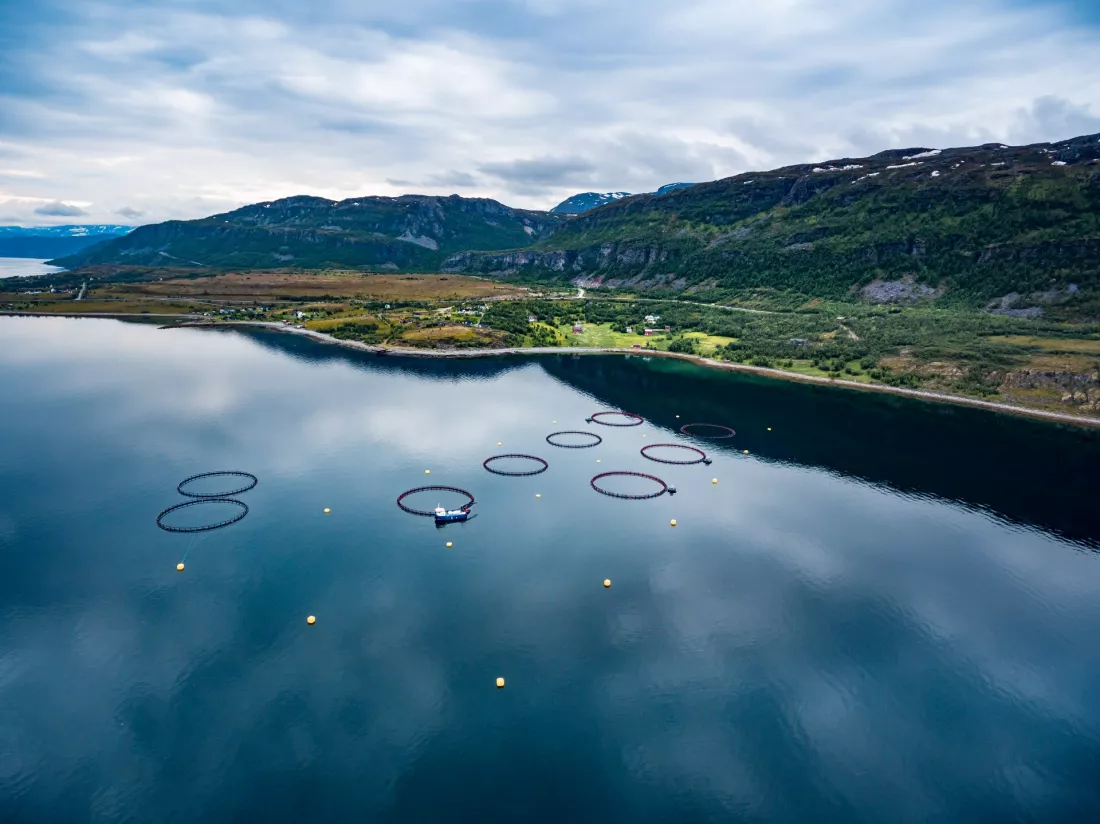
Farmed salmon owe their pink flesh to astaxanthin, and most of that pigment still comes from petrochemical processes. The EU-funded ASTEASIER project engineered microalgae that make it without the stress they normally need, scaled production up with industrial partners and tested the pigment in trials on fish farms. Now a project spin-off wants to take the idea to market — and at the end you can check whether industrial biotechnology could be your thing.
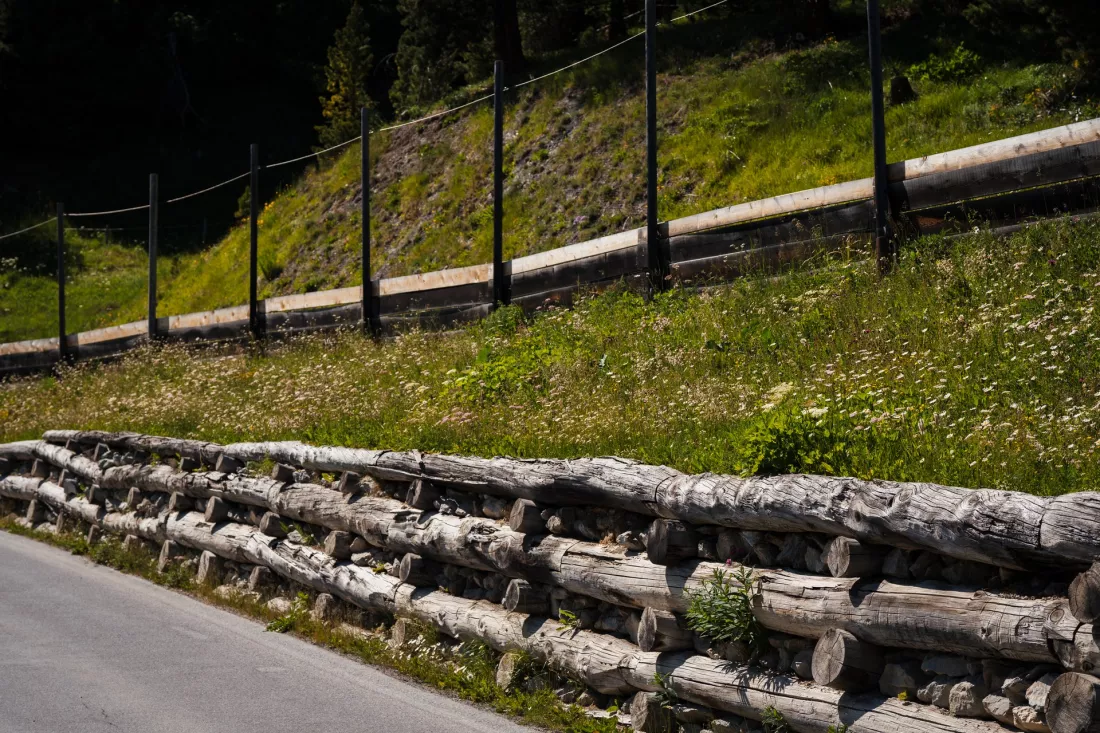
Ground engineering usually starts with a truck full of cement. A Swiss research team asked a different question: what if the soil could bind itself? In the CEBREWA project, microorganisms injected into the ground produce calcium carbonate simply by living, and limestone crystals grow between the grains until loose soil holds together like weak rock. Eighteen months took the idea from a single pore to a full-scale slope — and at the end you can check how far you would carry an idea of your own.
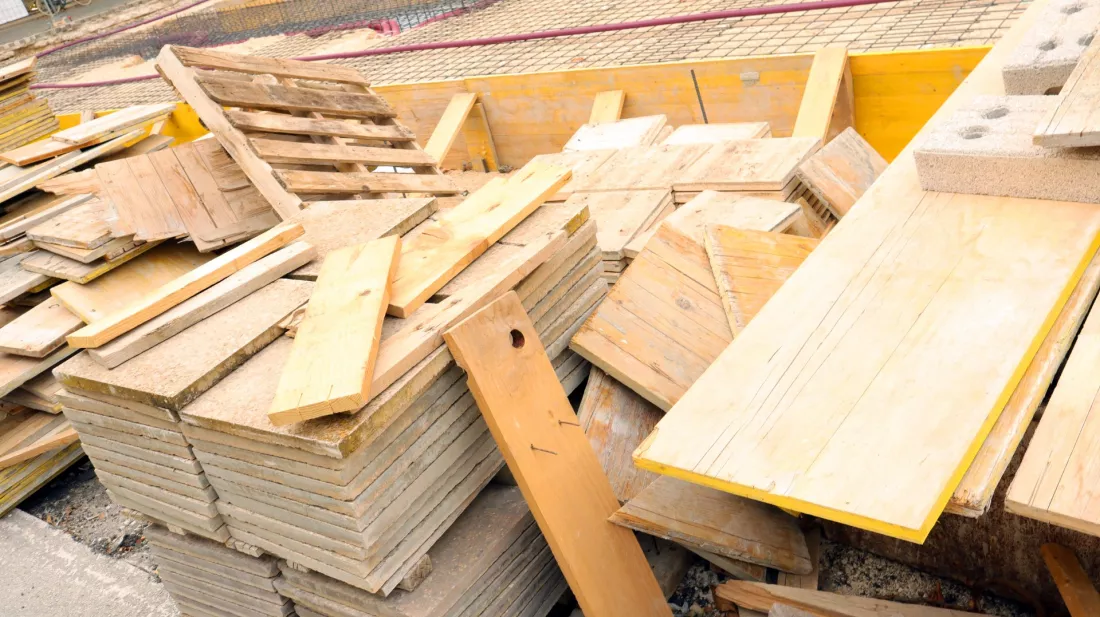
Half of a student flat is made of wood-based panels: the desk, the wardrobe, the shelf above the bed. When one of them gives up, it usually ends in a skip, because turning an old fibreboard into a new one is far harder than the word recycling suggests. The EU-funded EcoReFibre project spent four years showing that it can be done at industrial scale, and how - sorting, defibration, mixing ratios, markets - which is also a decent test of how you yourself look at the things around you.
Researchers have used laser pulses to make a special carbon molecule switch an electron’s path in a predictable way.
The tinder fungus’s newly discovered properties are inspiring biodegradable alternatives to current plastics and other materials.
A new approach to high-performance magnet manufacturing could make Europe less dependent on rare earth elements as it transitions towards a zero-carbon economy.
From water-repellent to water-loving with ultraviolet (UV) light, surfaces are being developed that protect panels and glass facades from expensive and time-consuming cleanings.
A recently published e-book looks at how liquid crystal elastomer (LCE) research conducted with EU backing is paving the way for new applications and practical devices.
As our fast-growing global population strains the planet’s dwindling natural resources, scientists are looking to more sustainable materials. Geoenvironmental engineer Michael Harbottle fills us in.
In freezing weather, ice causes many a traveller to come unstuck. But as experimental physicist Robin Ras explains, getting to grips with what makes ice so slippery isn’t easy.
What happens in your mouth when you eat a piece of chocolate? Scientists unravel the secret of chocolate’s irresistible texture with a view to developing healthier luxury chocolates.
An EU-backed consortium successfully installs a hydrogen gas turbine demonstrator at a paper mill testing site in France.
Why waste spent coffee grounds after the coffee has been made? An EU-backed company now uses them to make a bio-based plastic film.
A new digital marketplace brings together innovative actors in manufacturing to help ambitious SMEs transform into next-generation factories.
The deeper into Earth you go, the hotter it gets. So why isn’t this heat being tapped everywhere? Our expert Philippe Dumas gives us some cold hard facts.
A digital cultural heritage hub offers an open space where citizens and tourists can access engaging content, share experiences, and find valuable resources and training materials.
An open call issued by an EU-backed project is giving SMEs and other companies the chance to make their bio-based technologies and solutions market-ready.
From student challenges to 3D-printed copper components for particle accelerators, it’s all in a day’s work for the EU-backed I.FAST project.
Researchers fabricate a pneumatic artificial hand using a commercial 3D printer.



 EN
EN 
 CS
CS DE
DE ES
ES FR
FR HU
HU IT
IT PL
PL PT
PT РУ
РУ SK
SK TR
TR УК
УК AR
AR 中文
中文