

A drone recognising objects in flight or a sensor that detects a sudden drop in a building’s air quality cannot wait long for an answer from a distant data centre. The European AC3 project has developed a platform in which AI itself decides where each task should run: in the cloud or on a nearby server. Read how it works and what it achieved in tests – and at the end take a short test to see how much you remember.

People usually sense when they step onto unfamiliar ground and their knowledge runs out. Artificial intelligence has no such instinct: it learns from selected data and can be helpless when the world looks different from training. The European E-pi project taught algorithms to recognise their own ignorance and checked it where a mistake can cost the most, in autonomous cars. At the end you can find out how you handle uncertainty yourself.

A smooth touchscreen is an everyday thing for most of us, but for blind and low-vision people it can be a wall without a single handle. A European team from the ABILITY project decided to change that: it built a tablet prototype that reproduces textures through vibrations and taught artificial intelligence to turn images into descriptions, sound or touch. See how it works and why the researchers began by talking to 285 users — and at the end you can check how accessible your own digital world is.

Abundance in winter, scarcity in summer: for generations this rhythm shaped life on Mediterranean islands. Now it is increasingly broken by violent downpours and sudden floods. On the Greek island of Skiathos, the NURISH project team wants to turn that problem into a resource: cleaning wastewater in solar-powered artificial wetlands and holding back rainwater in case of fires, drawing on local stone and old water paths — and at the end you can check how you treat water in everyday life.
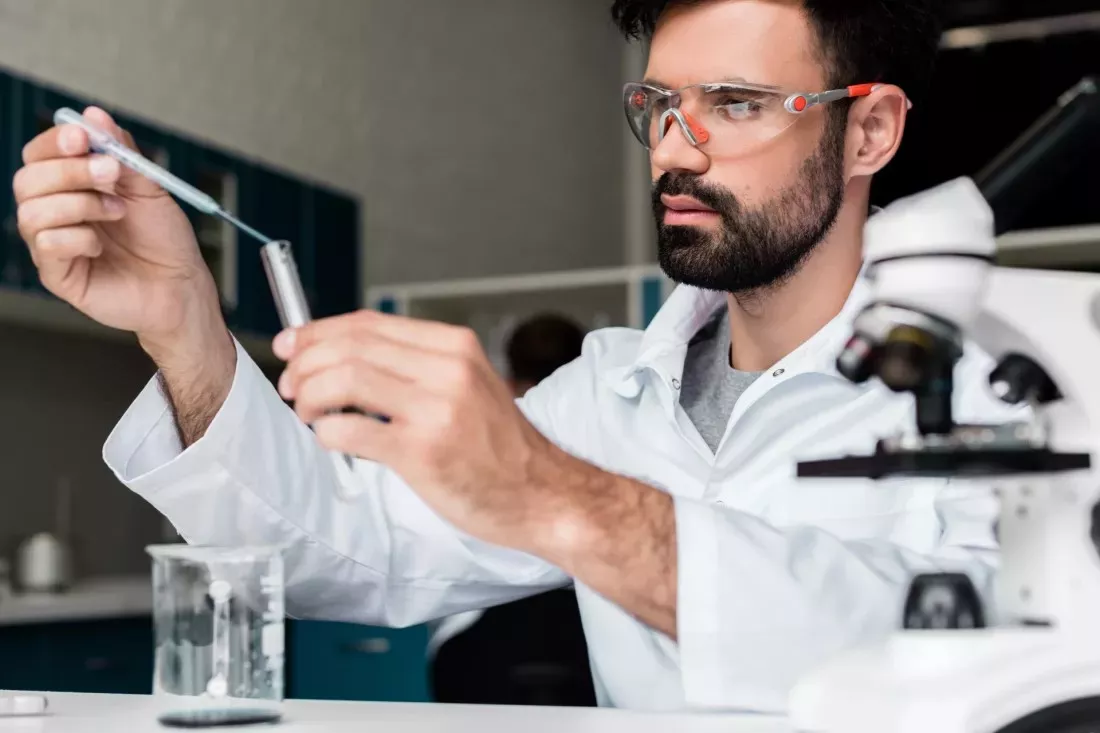
The human brain works entirely through chemical reactions, yet it is often called the most powerful computer in the world. The EU-supported CORENET project tested whether a similar principle can be used in the lab: networks of chemical reactions in microfluidic reactors processed data, and artificial intelligence read the answers from them. It is a field where chemistry, computer science and data analysis meet at one table – and at the end you can check whether this way of working suits you.
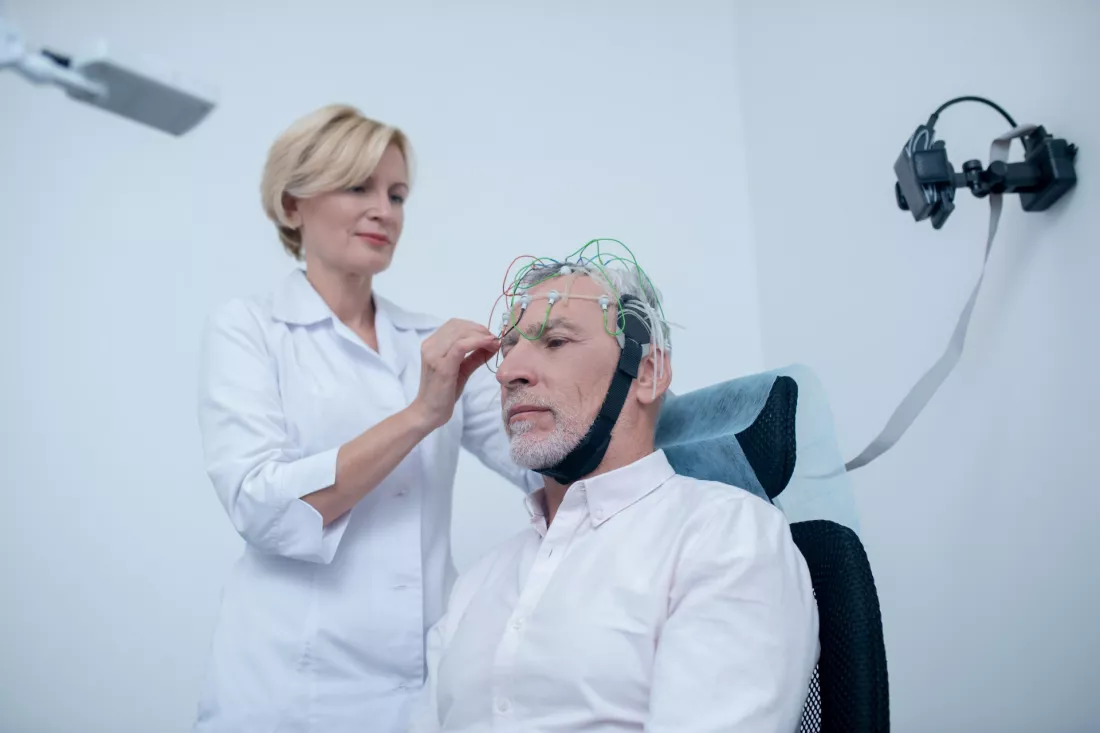
More than 10 million Europeans live with mild cognitive impairment, and about half of them will develop dementia within five years. Yet clinicians still lack an affordable way to tell who is most at risk. The EU-funded AI-Mind project brought EEG recordings, blood biomarkers and cognitive assessments together in an AI-based decision-support system — and at the end you can check whether you caught the key details of the story.

Every time you log in, sign up or confirm your age online, a bit of your personal data goes somewhere. The EU-funded TrustED project wants to change the rules of that game: it combines a digital identity wallet, federated learning and advanced encryption so that people and organisations can share data securely and still keep their privacy. The team has already tried it out with volunteers and in hospitals — and at the end you can check how well you look after your own digital identity.
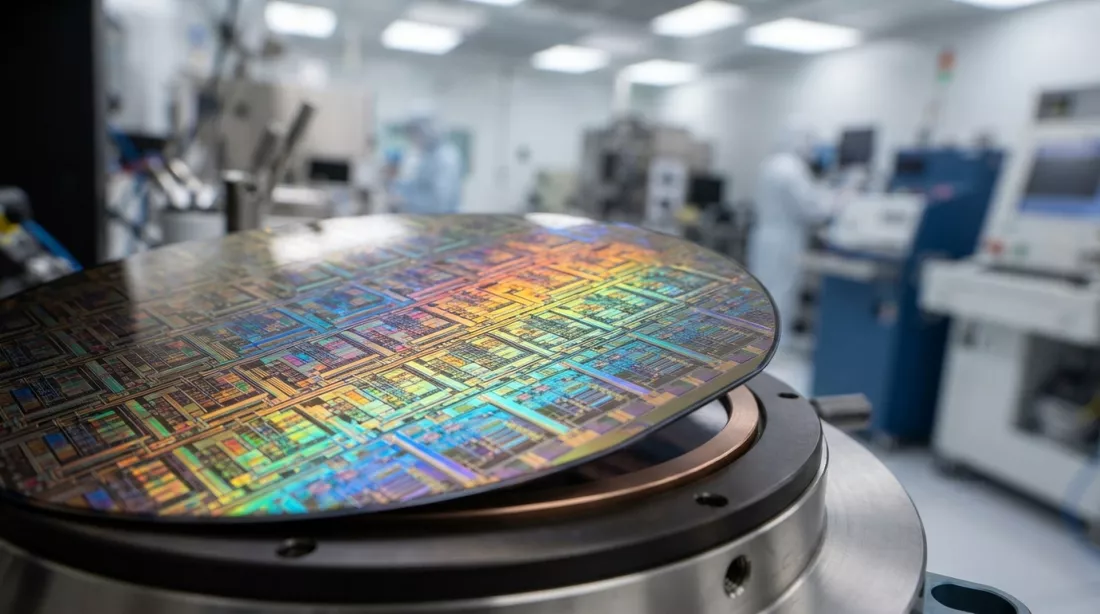
Every photo, message and backup has to sit somewhere, and the world is running out of convenient somewheres. DNA is a tempting answer: huge capacity in almost no space, and it lasts. Writing into it, though, has meant harsh solvents and specialised laboratories. A team in the EU-funded HYPERION project took a silicon chip designed to listen to nerve cells and used it to write 64 DNA sequences at once, in plain water — and then hit a wall somewhere nobody had been looking, which is what the five questions at the end are about.

Asking whether artificial intelligence is ethical no longer gets anyone very far. The EU-funded AIOLIA project, with Petra Saskia Bayerl of Sheffield Hallam University as its lead researcher, starts somewhere else: with what these systems do to human judgement, and what has to be put in place once a machine starts suggesting answers. Its guidelines cover six European situations, from medical diagnosis to recruitment - and the habit they all come back to is how much of your own judgement you hand over to a model.


 EN

 CS
 DE
 ES
 FR
 HU
 IT
 PL
 PT
 РУ
 SK
 TR
 УК
 AR
 中文