
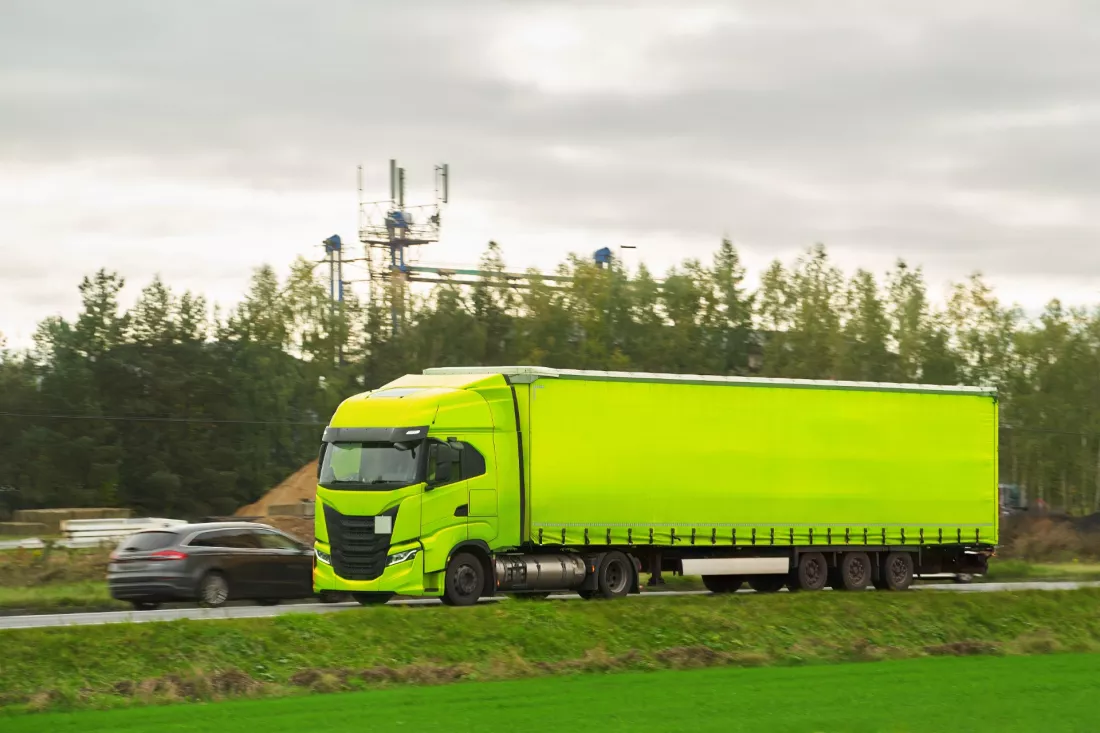
Heavy-duty vehicles account for nearly 40% of CO₂ emissions from road transport in Europe, and switching them to electric power is much harder than with an ordinary passenger car. Researchers from the EU-funded RHODaS project looked where people usually do not – at the electronics that distribute energy between the battery and the motor. They bet on new semiconductors, a modular design and tests all the way up to full scale – and at the end you can check whether you have a head for electromobility.
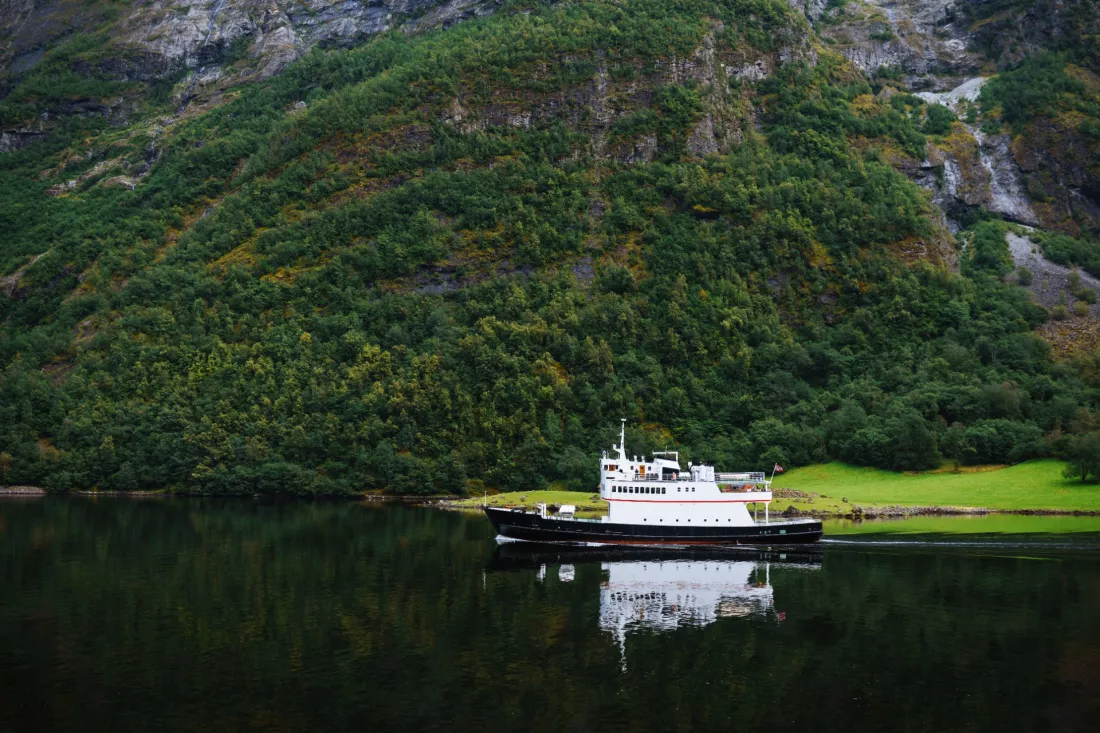
You hear little from the deck of a ship, but beneath the surface its work sounds completely different. The noise of engines and propellers makes it harder for marine animals to communicate, navigate and find food. The European LOWNOISER project wants to reduce it without taking away ships’ efficiency. Researchers have met in Catania, are preparing measurements on a Norwegian ship and are listening to the sea through an optical fibre — and at the end you can check how attentively you listen to the world around you.
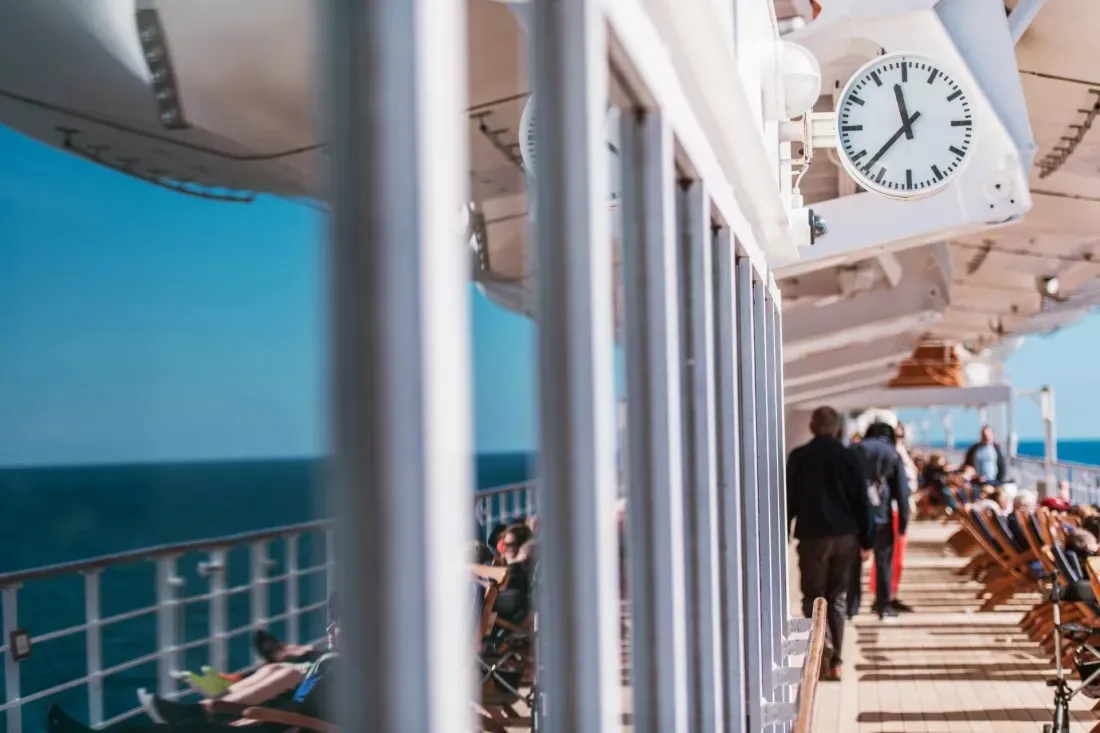
On a passenger ship, many people share the same decks, restaurants and ventilated air, and when an infectious disease appears, nobody can simply get off. The EU-funded HEALTHY SAILING project looked for ways to spot outbreaks at sea earlier and respond to them more effectively: from electronic surveillance and artificial intelligence to augmented reality training. Its guidelines have already faced a real test – and at the end you can check whether you look after your health on the road like a savvy passenger.
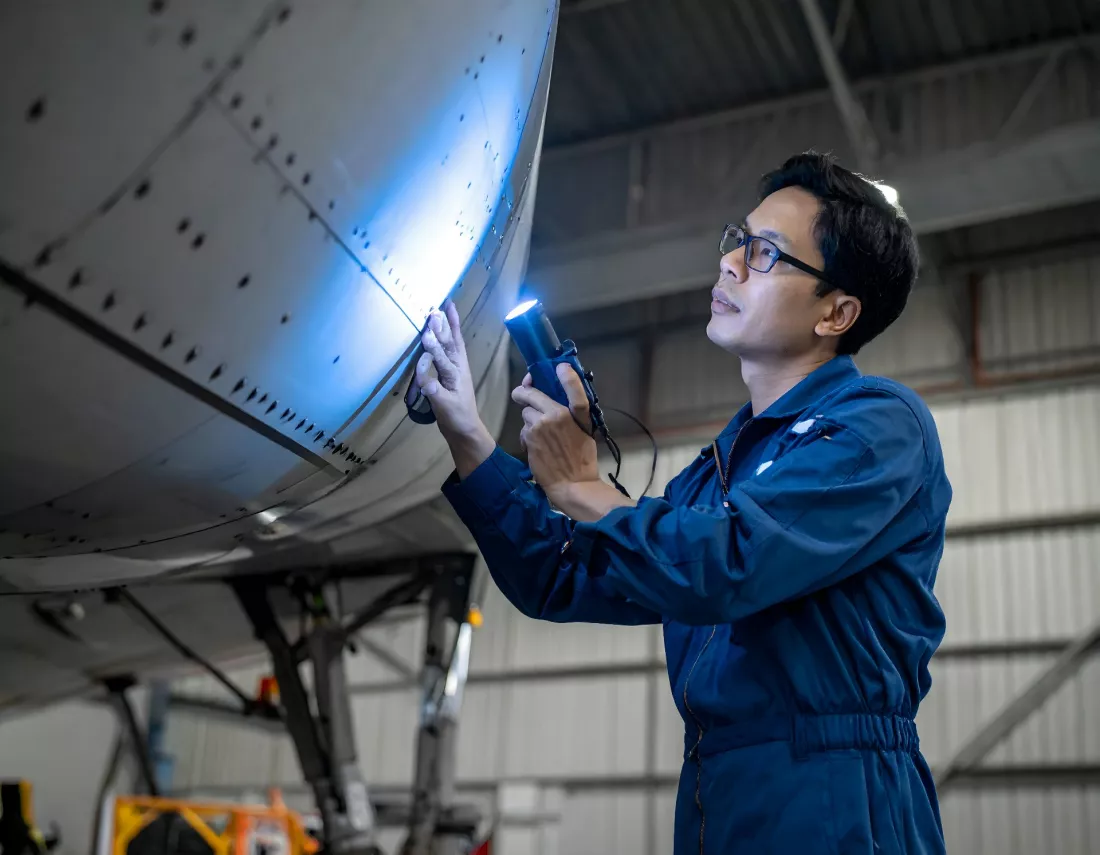
Aviation’s environmental impact is not only about emissions in the air but also about waste: retired aircraft, expired materials and disposed parts. The EU-funded GENEX project looked for ways to make aircraft components last longer. The team combined recyclable composites, sensors feeding a digital twin and digitally assisted repairs – and at the end, you can check how well you look after your own things.
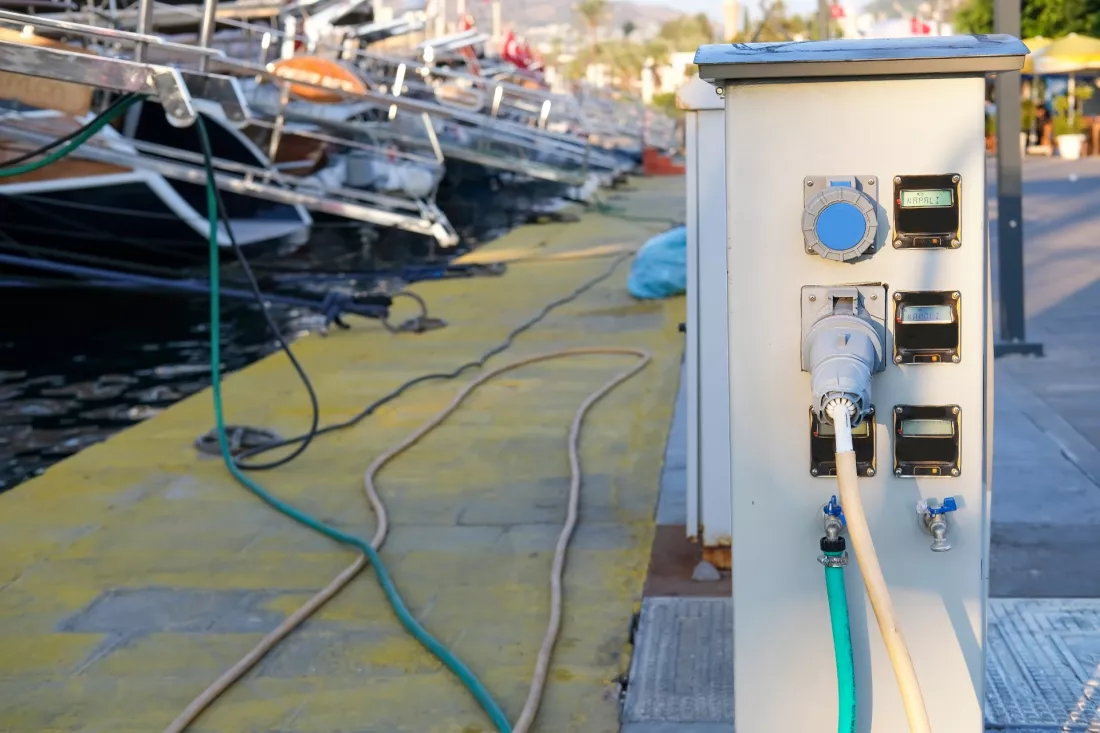
A battery-electric ferry has only a short stop in port to top up its energy, and during that time it keeps moving with the tide and the wind. The EU-funded HYPOBATT project built an automated megawatt charging system that finds the socket, connects quickly, looks after the batteries and helps keep the timetable, tested on a real ferry route — and at the end you can check what kind of traveller you are when the schedule starts to slip.
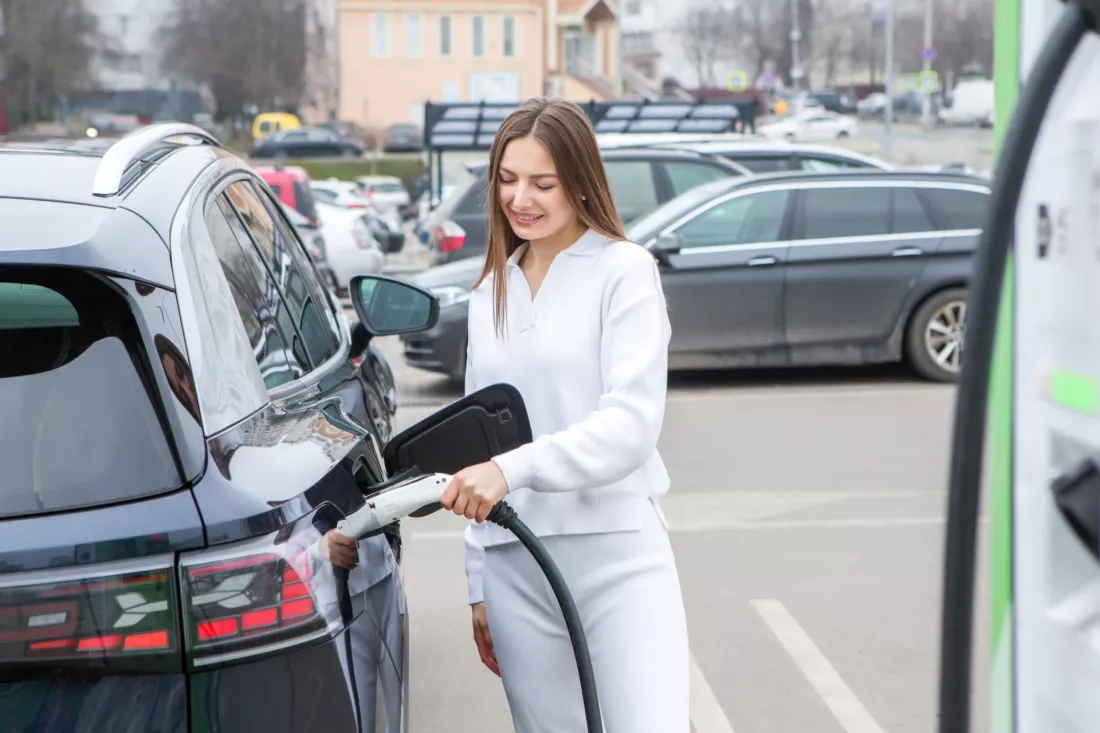
Limited range, long charging stops and too few charging points still keep many drivers away from electric cars. The European OPEVA project brought together 35 partners from nine countries to tackle these worries with artificial intelligence, energy-aware route planning for delivery vans and smarter battery management that watches every single cell – and at the end you can check whether you are ready to swap a petrol car for an electric one yourself.

A bike, a shared e-scooter, ten minutes to the lecture hall – for plenty of students that is simply how the morning works. The car beside them has airbags, ABS and assistance systems; the person on the scooter has a helmet, at best. The EU-funded SOTERIA project asked a different question: instead of counting collisions after they happen, what would a city need to collect to see one coming? The answer runs through sensors, artificial intelligence and riders themselves – starting with whether your own near miss ever reaches anyone.


 EN

 CS
 DE
 ES
 FR
 HU
 IT
 PL
 PT
 РУ
 SK
 TR
 УК
 AR
 中文