
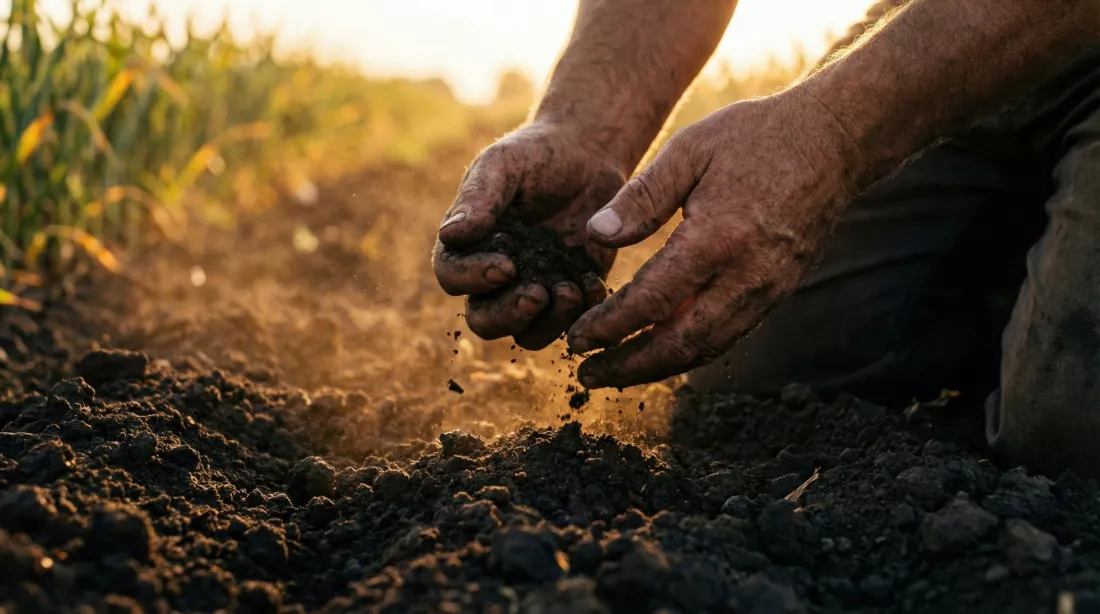
A museum that shows soil pH and moisture live, a travelling art exhibition with a stop in Poland, and booklets with audiobooks for policymakers. The European project SoilTribes is trying to convince us that what lies under our feet deserves more attention. It combines science, technology and art, and the curator argues that soil lives with us. We look at how it works and what it can teach a student — and at the end you can check how closely you look at what is beneath your feet.
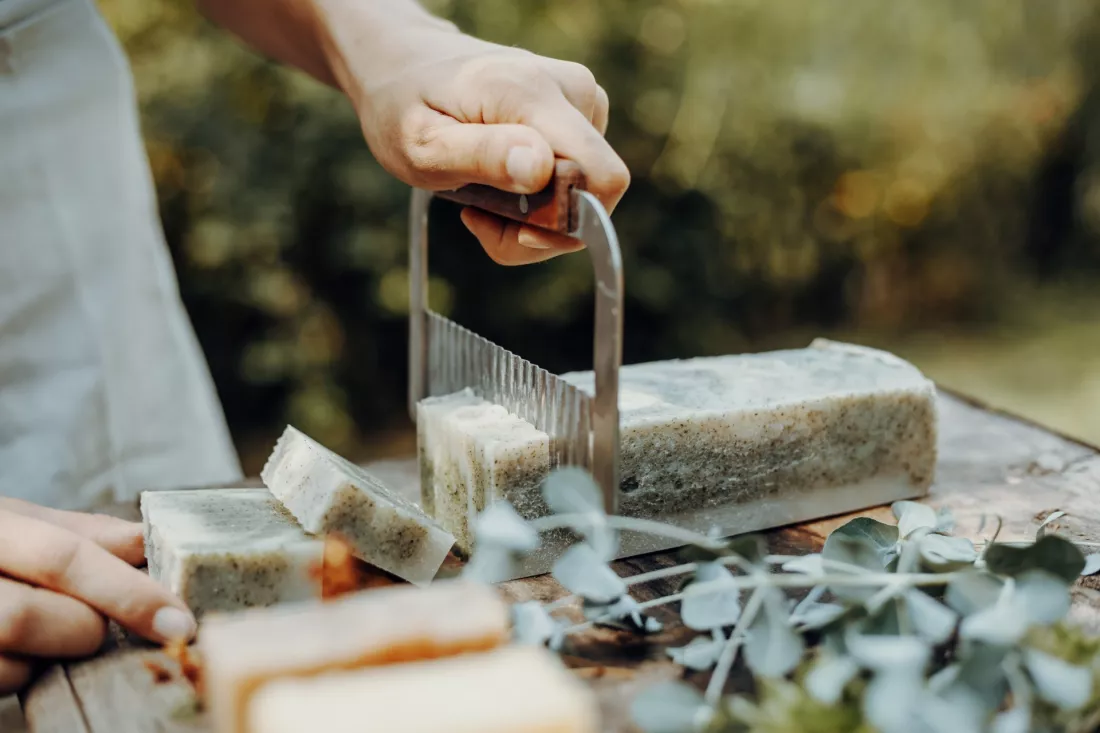
One in four people in the European Union lives in a rural area, and those areas cover three quarters of its territory. It is there that women working in agriculture come up with small local businesses, from handmade soap to an educational farm. The EU-funded GRASS Ceiling project looked at what helps them and what holds them back, and its findings are useful for anyone thinking about a business of their own — and at the end you can check how much of an entrepreneur you have in you.
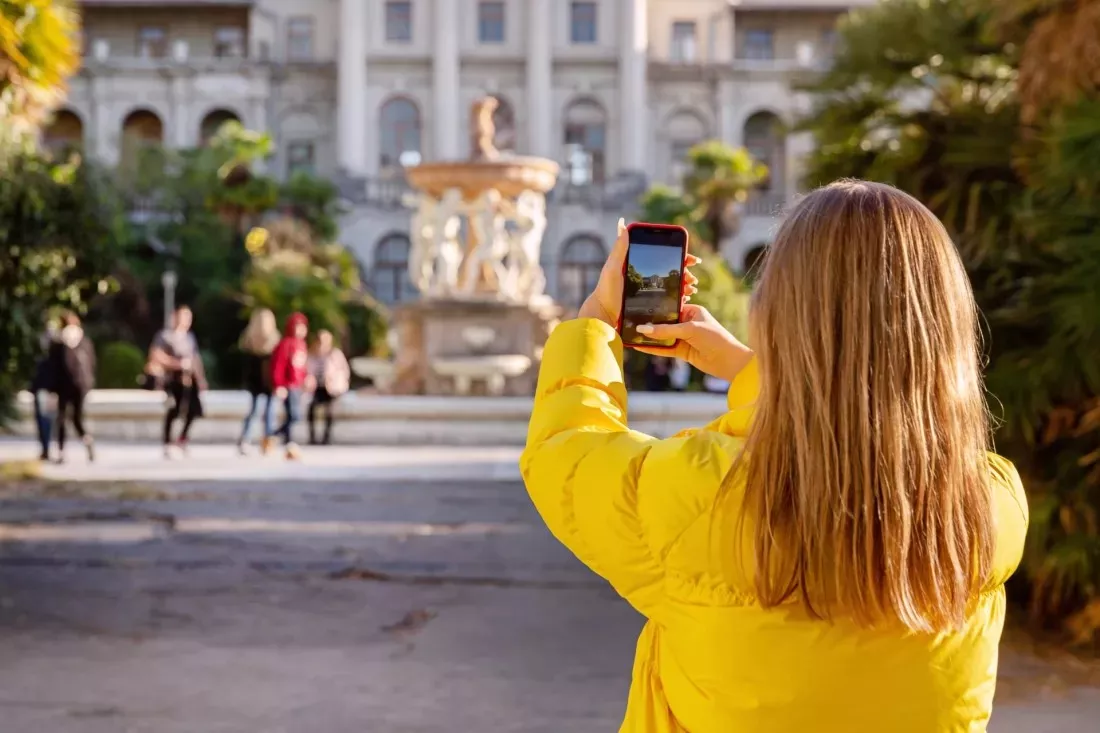
Likes, comments and holiday photos may influence where people travel more than it seems, but not everyone in the same way. American researchers analysed responses from over 2 800 travellers across four generations and checked who plans trips with online reactions in mind. The results can be surprising, especially for Gen Z and Gen X — and at the end you can check how much your own travel plans depend on social media.
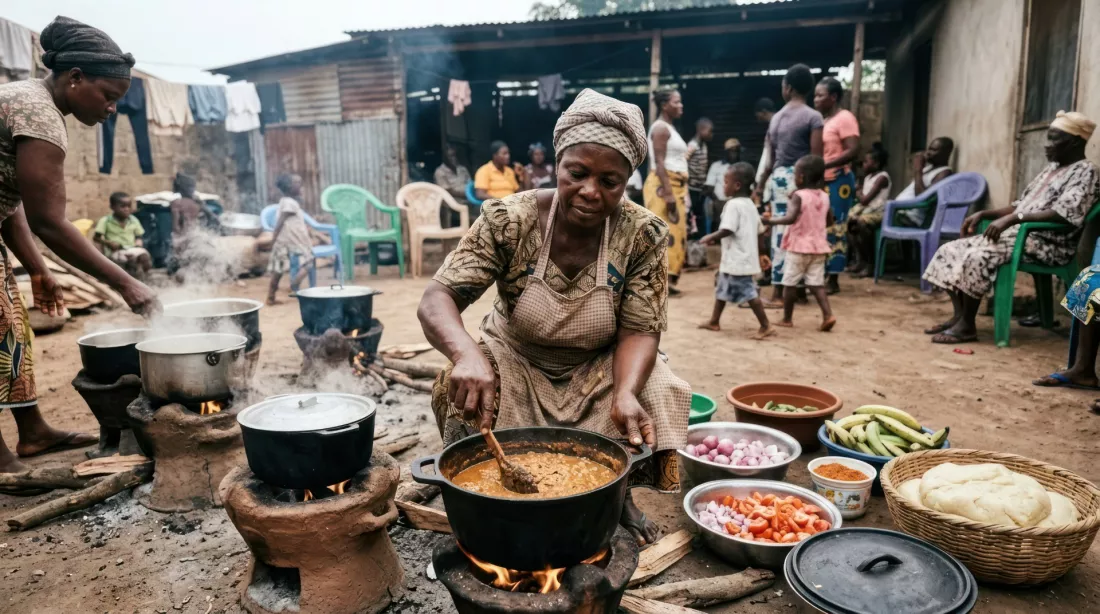
In Ethiopia, undernutrition persists while overweight and obesity are rising, especially among women in cities. For years the main response was nutrition education. The EU-supported TAMMIE project handed cameras to women themselves and combined their experiences with policy analysis. It found that money and time, rather than knowledge, stand in the way of healthy diets — and at the end you can check whether you see why this is a problem for the whole system.
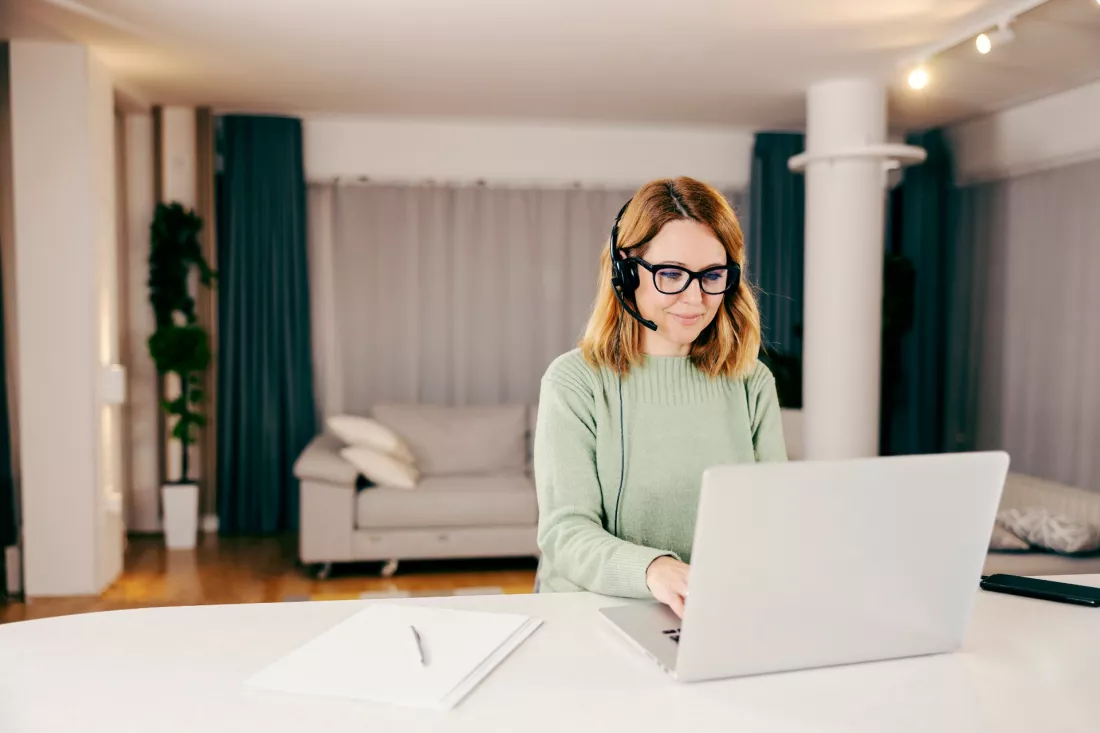
Many companies want their staff back at their desks five days a week, but new research from the United States suggests that this may not be the smartest move. A team that surveyed over 7,700 workers found that people working fully remotely reported the highest well-being, while those always on site reported the lowest. Even one of the authors expected a different result. So who is right, the bosses or the data? Read on – and at the end you can check whether remote work is really your thing.

Almost everyone knows the moment: you pick up the phone for one thing and put it down forty minutes later, not quite sure where the time went. Researchers from the University of Cincinnati and Northwestern University went looking for the point at which that habit stops being ordinary. They pooled eleven surveys gathered between 2014 and 2024, covering some 183 000 American adults, and landed on a threshold of around 150 minutes a day – and at the end you can look at how your own day with a phone is actually built.

Over 1 200 adults in Canada and the United Kingdom answered questions about how they felt and how well their lives were going. Researchers from the University of Toronto and Simon Fraser University expected pleasant emotions to explain most of it. Instead, the strongest signal came from something quieter: the sense of deciding for yourself — a result worth sitting with if you are picking a degree, and one you can try out at the end on what you really need in order to feel satisfied.


 EN

 CS
 DE
 ES
 FR
 HU
 IT
 PL
 PT
 РУ
 SK
 TR
 УК
 AR
 中文