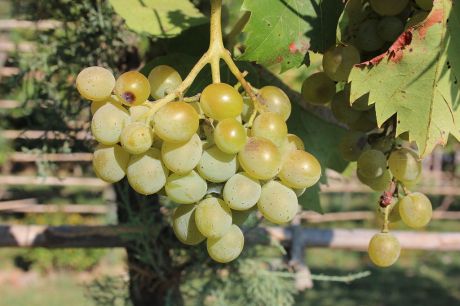
Researchers have discovered new molecular signals of ripening in grapes and taken steps towards understanding how different genes control this process.
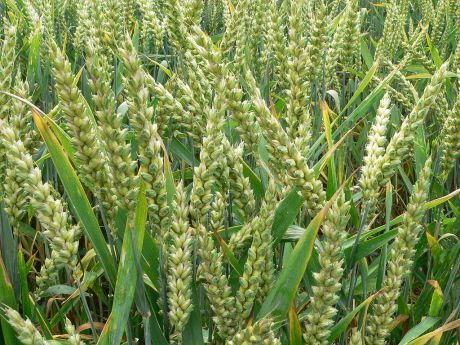
Information on the genes that control wheat flowering time may soon enable breeders to manipulate the precise time that their crops flower for maximum yield.

A huge boost to fruit grading is imminent thanks to research into rating internal quality without physically invading the flesh. To achieve this, scientists are using equipment more at home in a hospital or laboratory.

EU researchers are conducting large-scale trials and genetic research to find barley and wheat that can produce high yields while remaining environmentally sustainable.
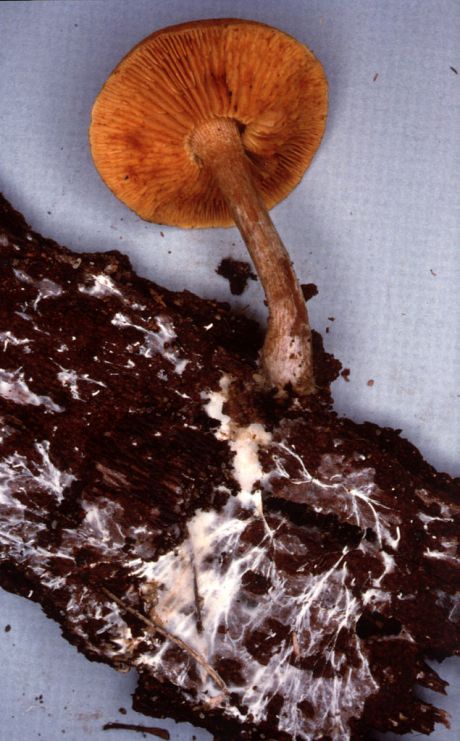
Nano-scale research into the interaction between key soil fungi and charcoal is another step towards sustainable agriculture.
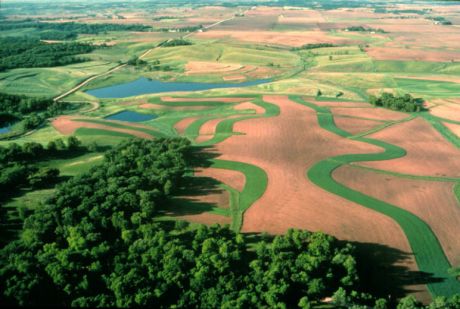
Researchers have produced a guide outlining different approaches to achieving sustainable agriculture in Europe.
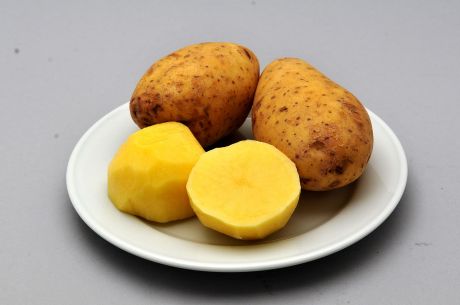
An EU research project has investigated natural soil microorganisms from the Andean highlands to improve potato-growing productivity in rural Andean communities.
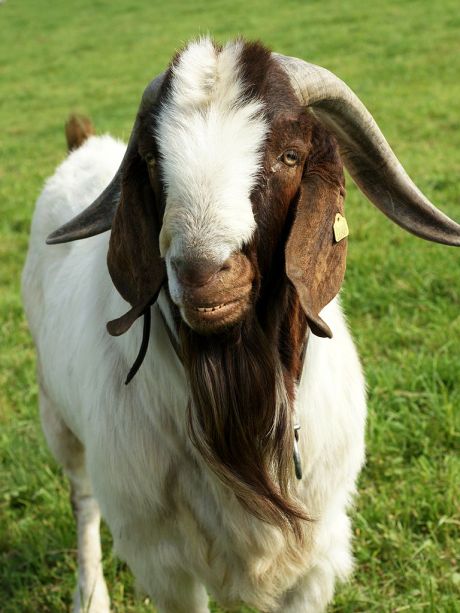
EU researchers are developing whole genome sequencing tools that can be used to manage and conserve genetic diversity in livestock.
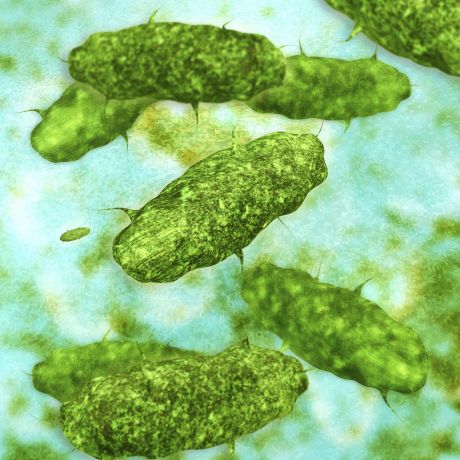
An international alliance has made significant contributions to the development of a commercial vaccine against the barber's pole worm (Haemonchus contortus), one of the most pathogenic nematodes in ruminants. Launch of the commercial version marks the first anti-nematode vaccine for livestock or man for more than half a century.

A broad network of researchers, policymakers and organisations has grown to include new partners and provide increased support for European plant health research.
The research community and food sector are continuously looking for ways to improve the quality of foods. An EU initiative is exploring various methods that offer potential for healthier foods.
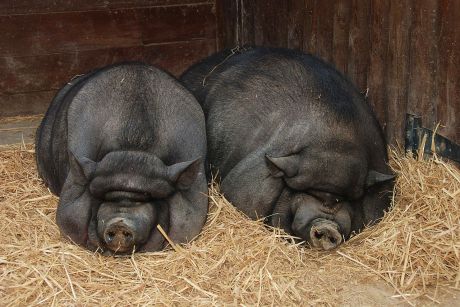
Researchers have investigated play behaviour in pigs as a way to measure overall livestock animal welfare.
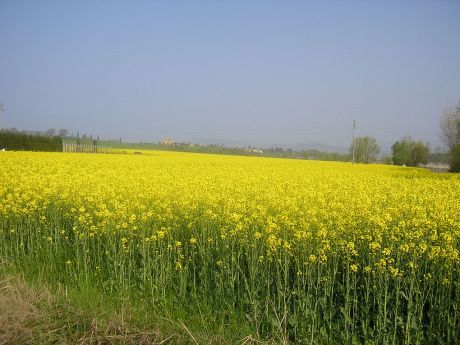
Researchers have genetically analysed a model crop-fungal pathogen system to discover ways to make crop resistance to fungal disease last longer.
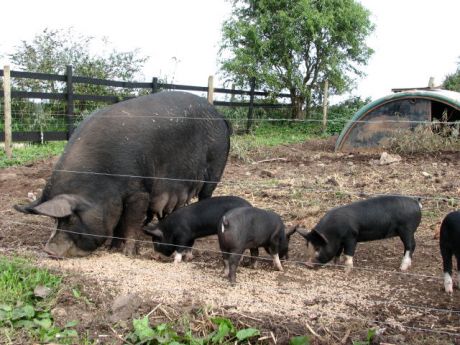
Innovative technology allowing pig farmers to monitor their animals' health and growth rate may soon be available to address a rising demand for pork.
Researchers are investigating a range of semi-natural habitats on farmland to determine their contribution to agricultural productivity and how best to exploit their services.
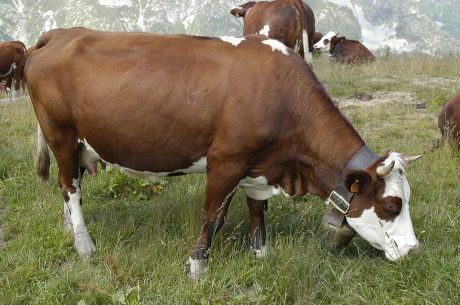
Worldwide demand for meat is constantly growing and in order for demand to be met, farms are growing more than ever before leading to less time available for contact of the farmer with the individual animals. An EU initiative aims to analyse the added value of technology that provides automatic round-the-clock monitoring of animals to mitigate the negative socioeconomic and environmental consequences.

An EU-funded initiative is investigating how Europe's agriculture can adapt to the environmental impacts of climate change.
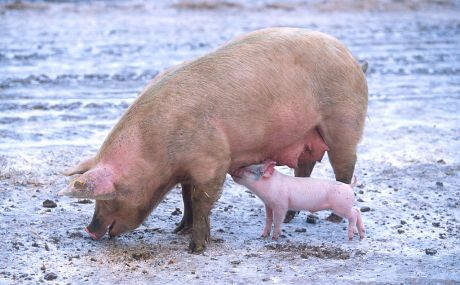
An EU-funded project has validated new technologies for reducing pathogen, reducing mortality and improving life-time growth performance, maternal immune transfer and meat quality in pig and poultry.

Researchers are investigating a range of habitats next to farmland to determine their contribution to agricultural productivity and how best to exploit their services.

European researchers have investigated a highly significant biochemical process in plants that when modified will improve cropping – glycosylation.
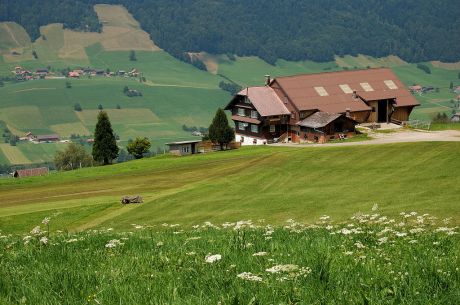
How the EU political system has been able to manage the interests of organised agricultural lobbying groups provides insights into processes of policy creation and reform within the EU.
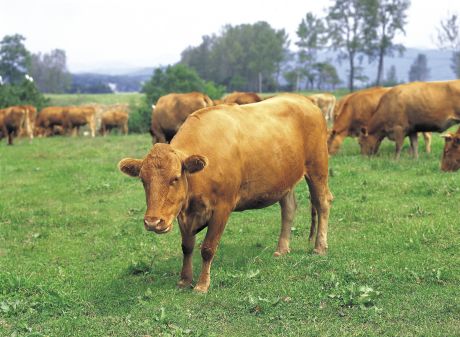
Agriculture faces numerous challenges when it comes to conserving natural resources such as water and phosphorus, and maintaining soil fertility and biodiversity. An EU-funded project will help alleviate environmental problems in crop and livestock production by designing innovative mixed farming systems (MFSs).
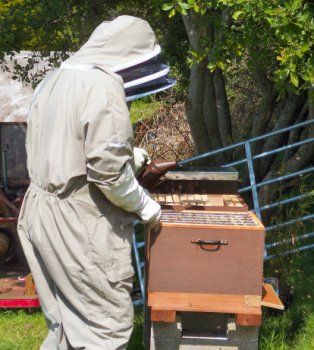
New tools for beekeepers to monitor the health and status of bee colonies remotely may benefit agricultural and honey industries by increasing productivity and pollination.
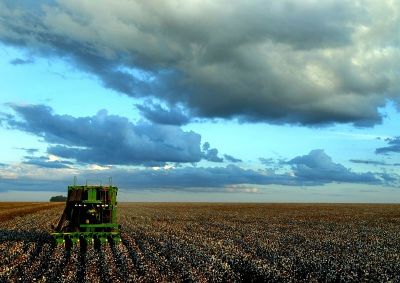
Policymakers rely on predictive models. An EU initiative has developed a comprehensive, tailor-made modelling platform for agriculture that provides a clearer picture of the effects of agricultural policies and uncertainty on farmers and their decisions.
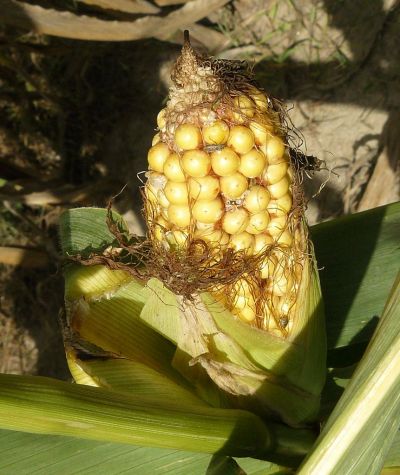
Researchers aim to improve food security by converting inefficient photosynthetic pathways in some food and fuel crops into pathways used by highly productive crops like maize.


 EN
EN 
 CS
CS DE
DE ES
ES FR
FR HU
HU IT
IT PL
PL PT
PT РУ
РУ SK
SK TR
TR УК
УК AR
AR 中文
中文