The EU-funded XF-ACTORS project recently reported on its disease modelling work, key to its integrated management strategy to control the spread of the Xylella fastidi-osa (XF) pathogen, which is putting olive groves at serious risk in Southern Italy.
Supported through the EU-funded PALEOPLANT project, a series of genetic analyses of prehistoric seeds have unearthed millennium-old barley on the Canary Islands, shedding light into native Canarian origins.
A new study supported by the EU-funded TRIFORC project has shown that by changing the genetic code for one amino acid in a plant begins a process that produces a new natural product that could be used in a variety of ways, including disease resistance.
A recently published study part supported by the EU-funded NEOMILK project has outlined widespread evidence of prehistoric milk production in southern Europe.
The sustainable production of pathogen-free crops is one of mankind’s most pressing concerns, given projected population growth and the threat posed by climate change to arable land. Incredibly, the study of a species of unassuming tree-dwelling beetles could hold some answers.

EU researchers have developed tools and guidelines to help protect Europe’s spice and herb commodity chains from deliberate, accidental and natural biological and chemical contamination.
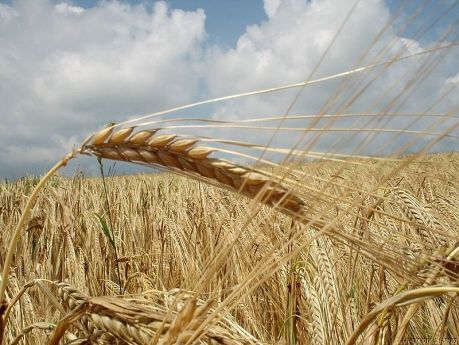
A central goal of EU agricultural policy is for consumers to have free choice among conventional, genetically modified and organic products. Research is establishing how these products can coexist in national and international supply chains.
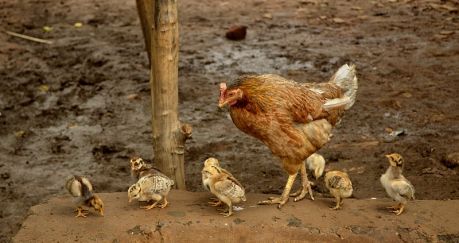
In an increasingly interconnected world animal diseases can cause serious social, economic and environmental damage and, in the case of zoonoses, threaten human health. EU funding supported the formation of a global strategic alliance to improve research coordination on these diseases.
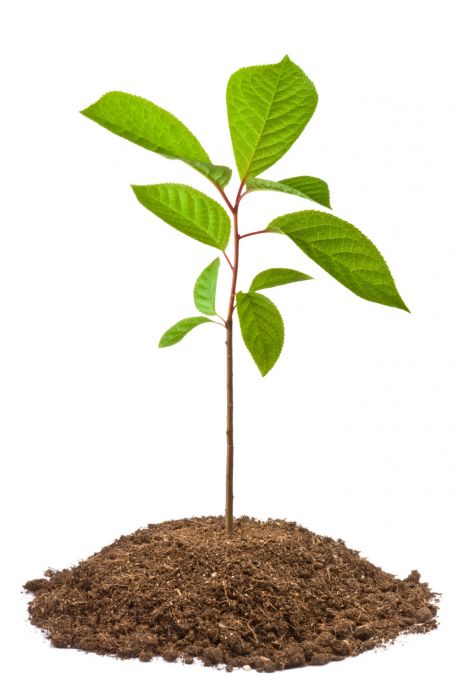
Scientists hope to minimise fertiliser use by improving how efficiently plants use nitrogen in the soil.
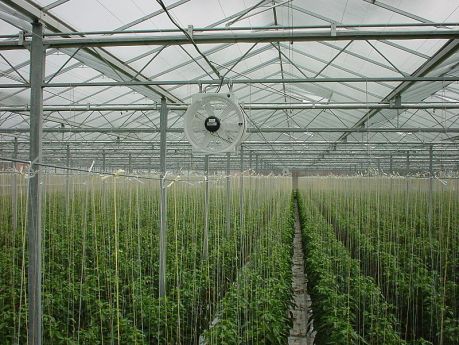
An EU study aimed to economically improve crop productivity through the addition of carbon dioxide (CO2) to greenhouses. Tests of the project-developed equipment proved the concept using sweet capsicum and tomatoes, paving the way for commercialisation.
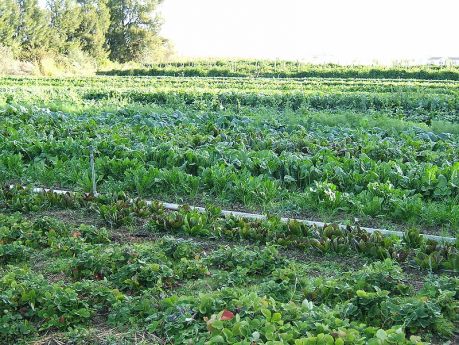
Researchers have discovered that roots provide plants with environmental information, enabling them to communicate with other plants and 'warn' them about impending stress.
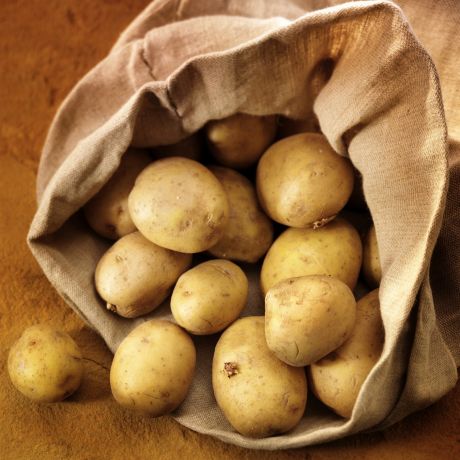
Climate models predict that droughts will become more frequent in the future. This poses a threat to the humble potato, which is highly sensitive to water stress compared to other species.
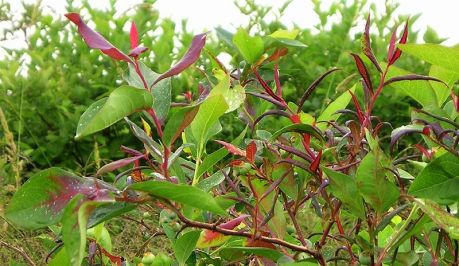
RNA silencing is an ancient defence mechanism of plants against viruses. Harnessing the genetics of this process may enable scientists to control viral infections in valuable crops.
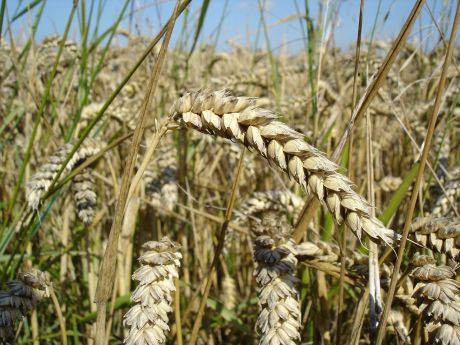
EU-funded plant biologists have developed a biostimulant that increases food production by combating stress and disease in commercial crops. The environment-friendly product comprises a blend of naturally derived biomolecules.
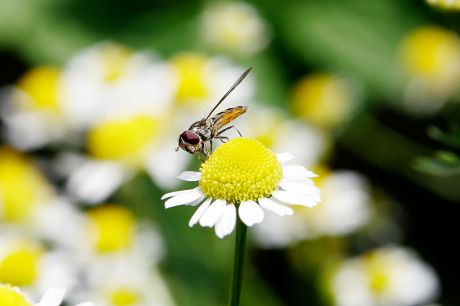
Triterpenoids are very common in plants and are part of the defence arsenal against pests and diseases. EU research has investigated how to move genes for these chemicals into crops that do not naturally have this advantage.
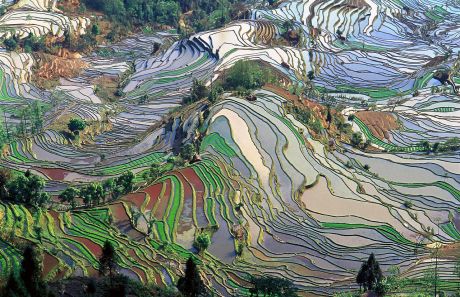
Zinc levels may soon be boosted in staple crops like rice by harnessing a zinc-binding mechanism that helps plants absorb this essential micronutrient from soil.
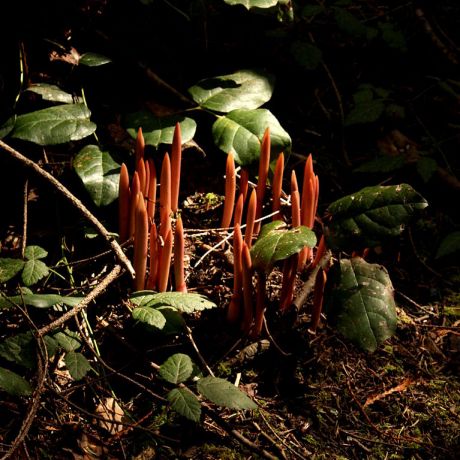
Researchers have conducted detailed laboratory experiments to figure out which groups of soil fungi and bacteria that break down sulphur-containing molecules in soil.
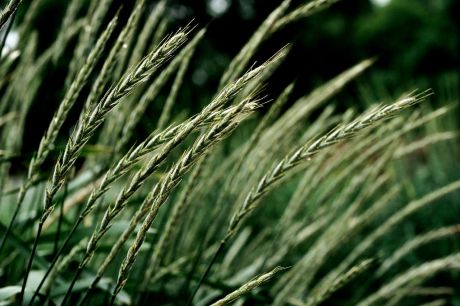
Researchers have identified how wheat plants control the movement of nutrients from leaves into the developing grains. The work helped them develop a highly accurate wheat genetic map.
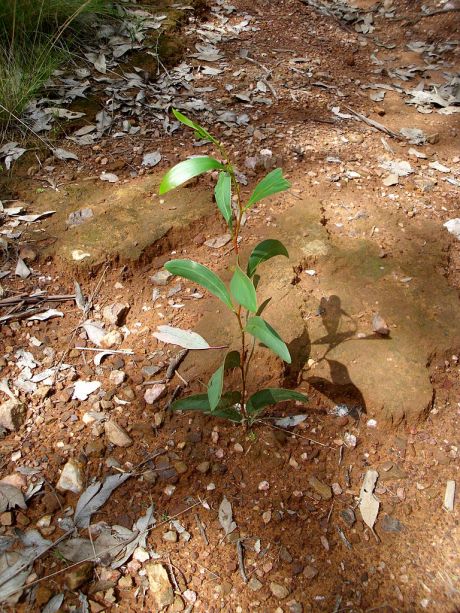
Scientists are discovering how seedlings use seed-stored lipids for energy while growing in the dark but produce sugars through photosynthesis once in the light. Controlling this dark-to-light growth switch will help to produce oil-rich plants.
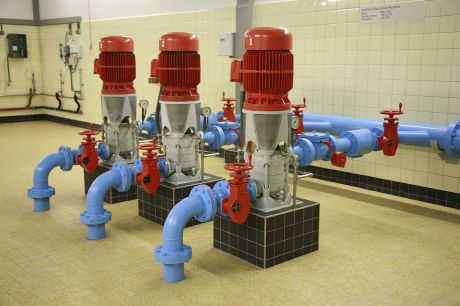
Scientists have developed a safe electronic system to reuse wastewater and nutrients in agricultural production.
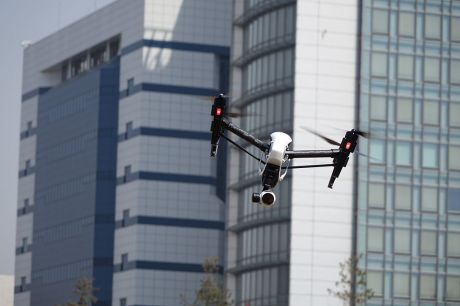
Scientists have developed intelligent drones that detect weeds on crops – this will enable herbicides to be targeted to infested areas only.
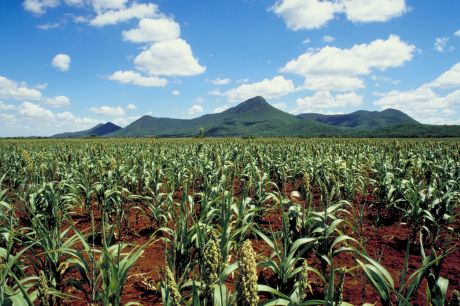
Agriculture is vulnerable to climate change and all countries need to develop a resilient food system to limit its impact. An EU-funded initiative was established to help Europe continue to develop knowledge and technologies that will safeguard sustainable and competitive food production.
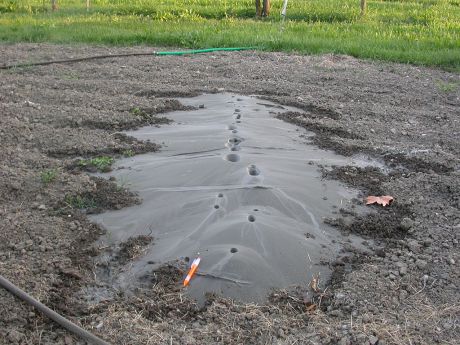
Research engineers are investigating the role played by tiny grains of sand like particles (known as silt) in the liquefaction of soils. There have been many cases of soil liquefaction around the globe following earthquakes, resulting in serious loss of life and significant damage to buildings and infrastructure.

Previous EU-funded projects have advanced concepts, tools and infrastructures aimed at encouraging Europeans to follow healthy dietary guidelines and recommendations. A current initiative will promote these campaigns together with small and medium-sized enterprises (SMEs) to combat poor health and unhealthy ageing.
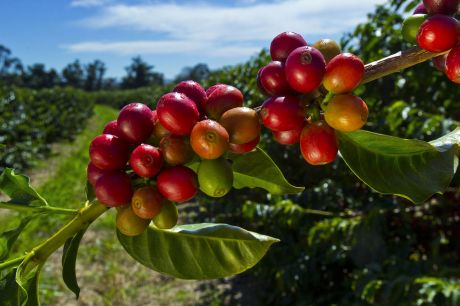
An EU group assessed innovation in the agricultural business sectors of Tanzania and Vietnam. Neither country is particularly innovative, for differing reasons including government context, tradition and resistance; the project offered suggestions.


 EN
EN 
 CS
CS DE
DE ES
ES FR
FR HU
HU IT
IT PL
PL PT
PT РУ
РУ SK
SK TR
TR УК
УК AR
AR 中文
中文