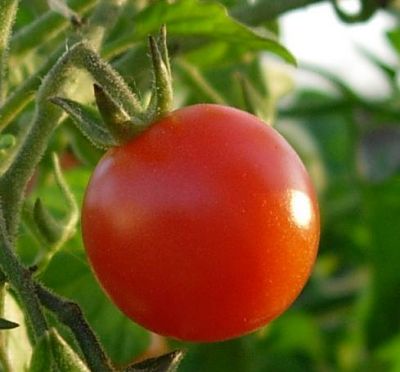
Plants, like animals, have developed immune systems that can recognise and respond to attacks by alien organisms. Beneficial soil-borne microorganisms such as rhizobacteria and Trichoderma species can induce a similar form of systemic immunity called induced systemic resistance (ISR).
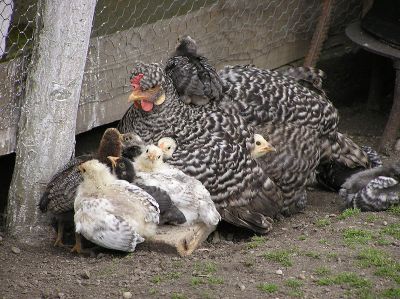
Animal diseases can cause serious social, economic and environmental damage and, in the case of zoonoses, threaten human health. EU funding supported the formation of a global strategic alliance to improve research coordination on these diseases.
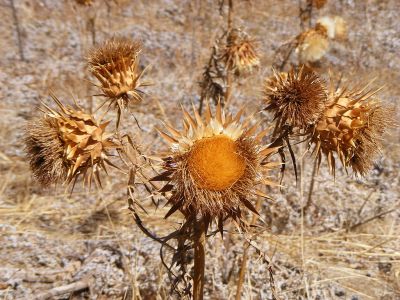
An international research project is collecting genetic data associated with environmental stress in crop plants to help breeders create stronger cultivars.
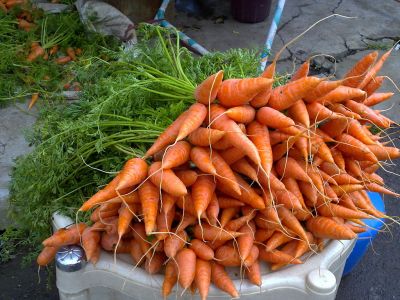
Two research calls have resulted in 14 enterprising projects on promoting organic food markets and farming systems, both in Europe and across the globe.

Annually, fruit and cereal processing industries in Europe and India generate millions of tonnes of by-products that are mainly disposed of as waste. Conversion of such by-products into food ingredients and new food products could increase profit and sustainability.
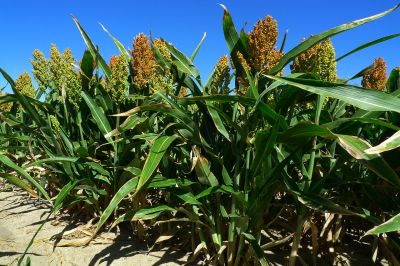
Sweet sorghum has many advantages over other crops when it comes to producing sugar for biofuel. A large international consortium has developed new hybrids, crop models and sustainability analyses to assist in exploitation in numerous environments.
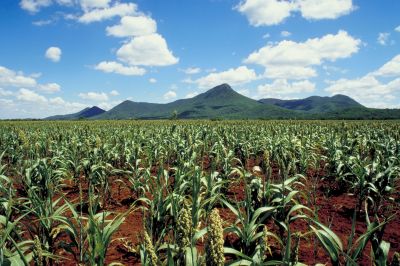
A second round of EU funding was allocated to consolidate progress made in a project dedicated to agriculture research for development.

Hemp, traditionally grown for fibres, seeds and psychoactive compounds, is perched at the threshold of a revival in interest for production of innovative biomaterials.
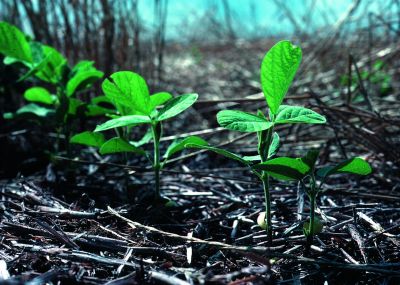
Researchers are identifying genes and physical traits that affect the performance and lifespan of soybean crops during drought and nitrogen stress.
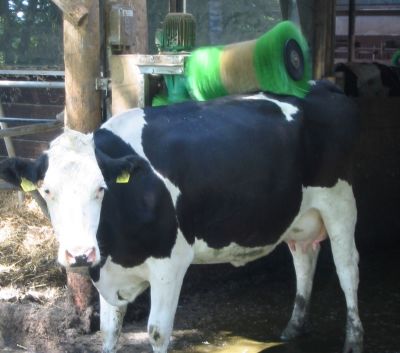
Consumer confidence is falling amid concerns over the health of commercial livestock. An EU initiative is designing novel approaches to improve the health of dairy cows in organic dairy farming.
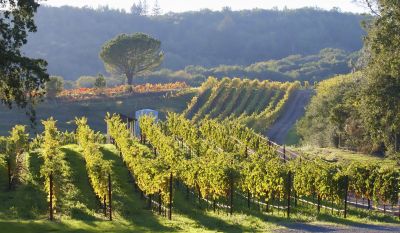
Developments in global agriculture are resulting in new challenges, and concerns remain for how competitive the European agri-food sector is. An EU initiative is using innovative approaches to deliver policy recommendations that will boost the competitiveness of European food chains.
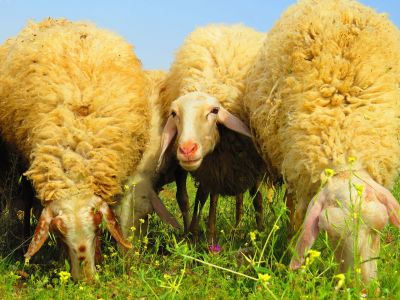
Researchers are developing tools and guidelines to monitor the long-term health of animals exposed to feed derived from genetically modified (GM) crops.
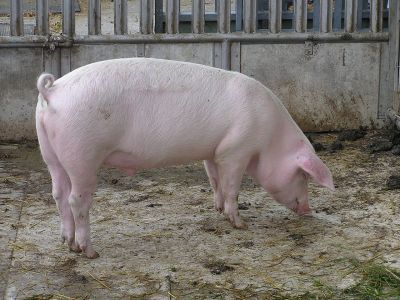
Researchers in the EU are building and testing an automated scanner to rapidly measure meat and fat content of pig carcasses.
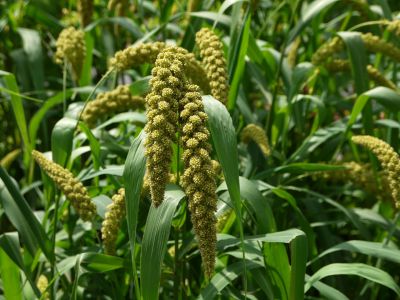
Researchers have used advanced molecular biology tools to improve phosphorus uptake in a common crop plant called foxtail millet.
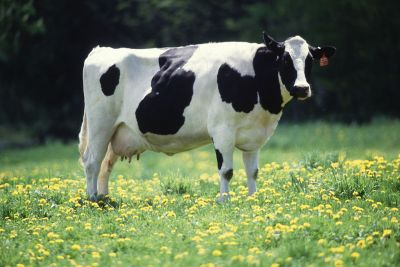
An EU project is devising a way of determining and certifying the species composition of animal feed using genetic methods. The project has prioritised 31 species, and so far two assay procedures consistently identify the target DNA
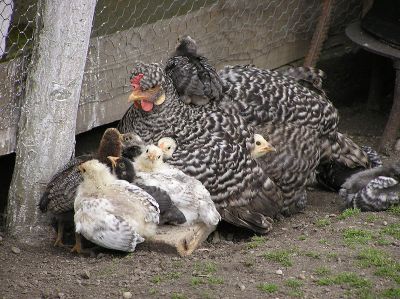
Researchers are developing industry-ready models and tools to aid efficient and ecologically friendly pig and poultry production
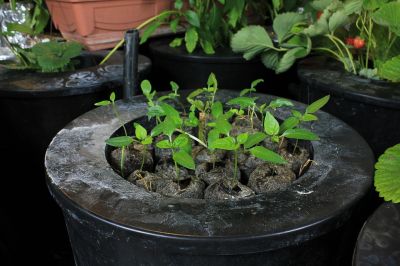
EU funding has placed an Irish research institute at the frontier of agricultural and horticultural research on Earth and beyond.
Researchers have advanced a sensor system that will, for the first time, allow farmers to assess the nutrient status of their soils anytime, anywhere.
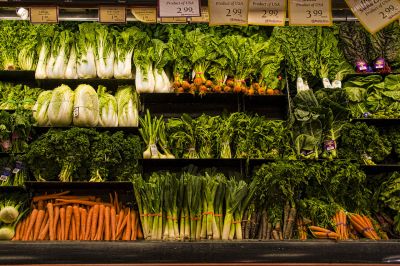
EU funding has ensured that a transnational, collaborative network to promote plant health will endure.
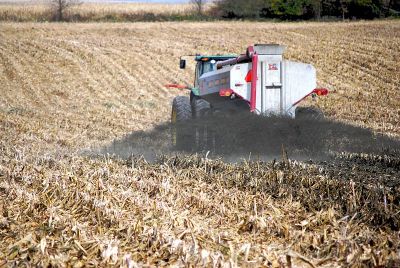
Researchers have investigated phosphate-transporting proteins in both plants and animals. Phosphate metabolism is key to modern agriculture.
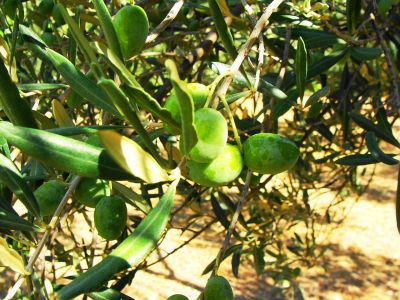
A soil fungus blight threatens the European olive industry. An EU project developed a device for quick assessment of samples, using DNA amplification and electrochemical methods, which helps contain outbreaks.


 EN
EN 
 CS
CS DE
DE ES
ES FR
FR HU
HU IT
IT PL
PL PT
PT РУ
РУ SK
SK TR
TR УК
УК AR
AR 中文
中文