
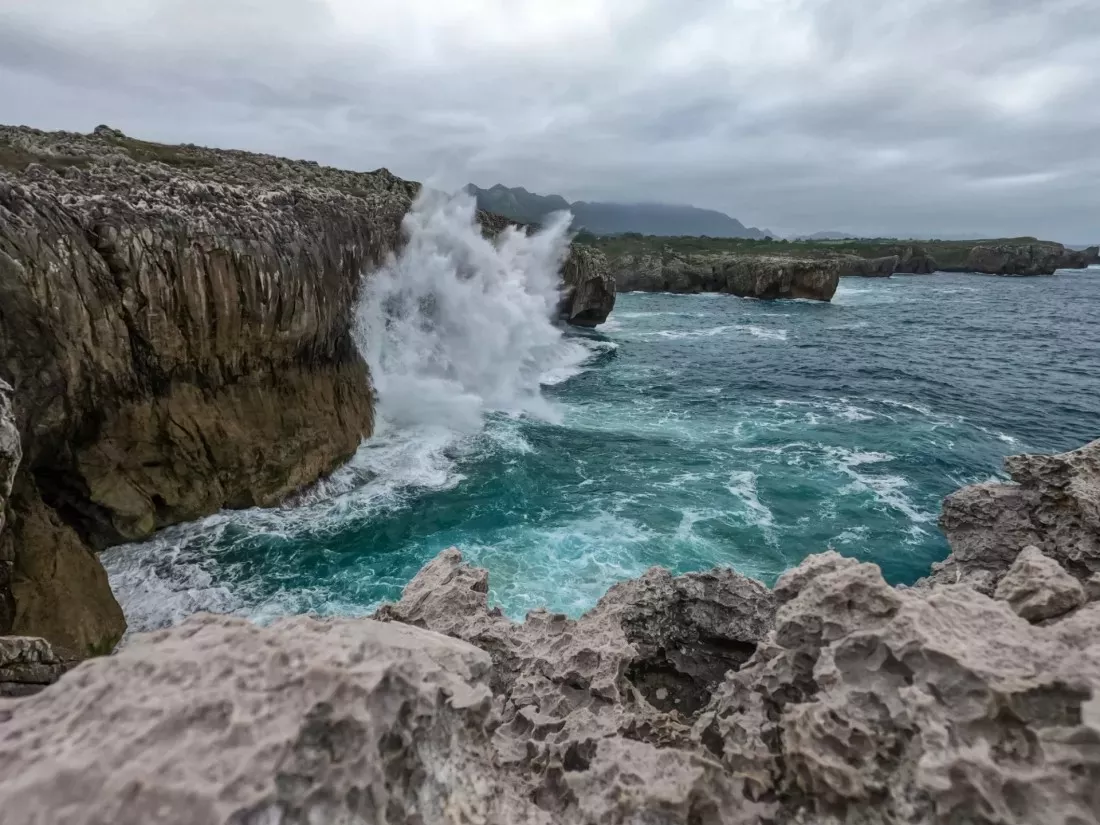
Fibre-optic cables already lie on the seabed along almost every coastline – and they could soon start watching over people on land. A team from the University of Alcalá, working in the SAFE project, has shown that a single fibre can be turned into a network of thousands of sensors that pick up an approaching tsunami, at a fraction of the cost of buoys or seabed seismometers. It is a story about physics, the sea and doing the maths on costs – and at the end you can check whether you think like an early warning system designer.

Around 604 extreme weather events were recorded worldwide in 2024, and many were described as unusual or unprecedented. The EU-funded XAIDA project set out to show how climate change shapes such events and how they can be better understood. Using machine learning and deep learning, the researchers found a worrying result: in many regions, heatwaves are increasing faster than climate models expected – and at the end, you can check how well you handle the heat yourself.
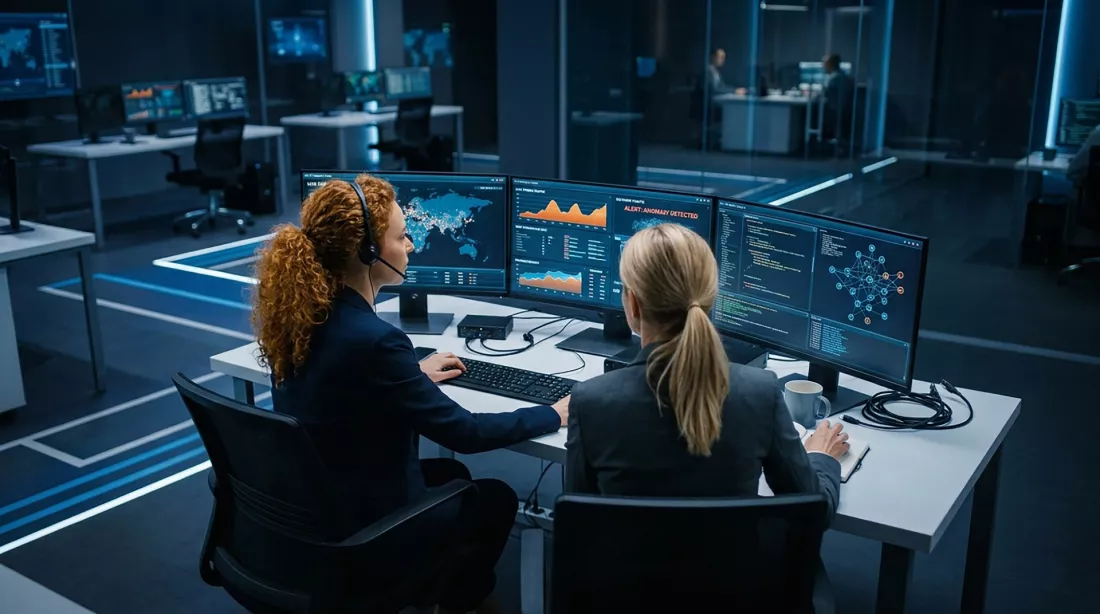
Cybercriminals do not stop at borders, but the police who chase them usually do. The EU-funded CYCLOPES project spent five years bringing European law enforcement officers, researchers and industry around one table: it ran workshops, built a shared database of tools and helped spark a Belgian anti-phishing initiative that has already blocked around 1,600 fake websites. Here is how the network works — and at the end you can check whether you have a nose for tracking down online criminals.
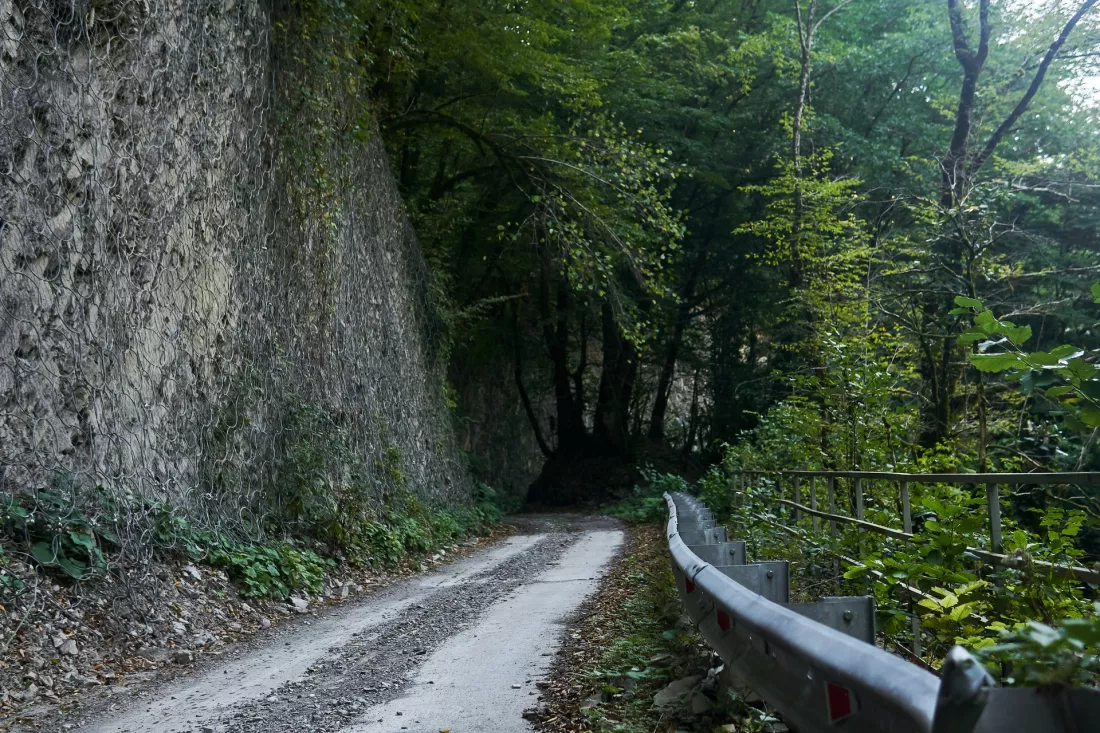
Rising temperatures, melting permafrost and violent storms are loosening mountain slopes, and a block breaking free above a road is no rare event. Engineers long modelled that block as one object on one path — yet it usually shatters in mid-air, becoming a spray of fragments with different reaches and different energies. A project run from Turin rebuilt the calculation around that fact, and the numbers it produces end up being decisions about money and people — and at the end you can check how you handle a risk estimate yourself.
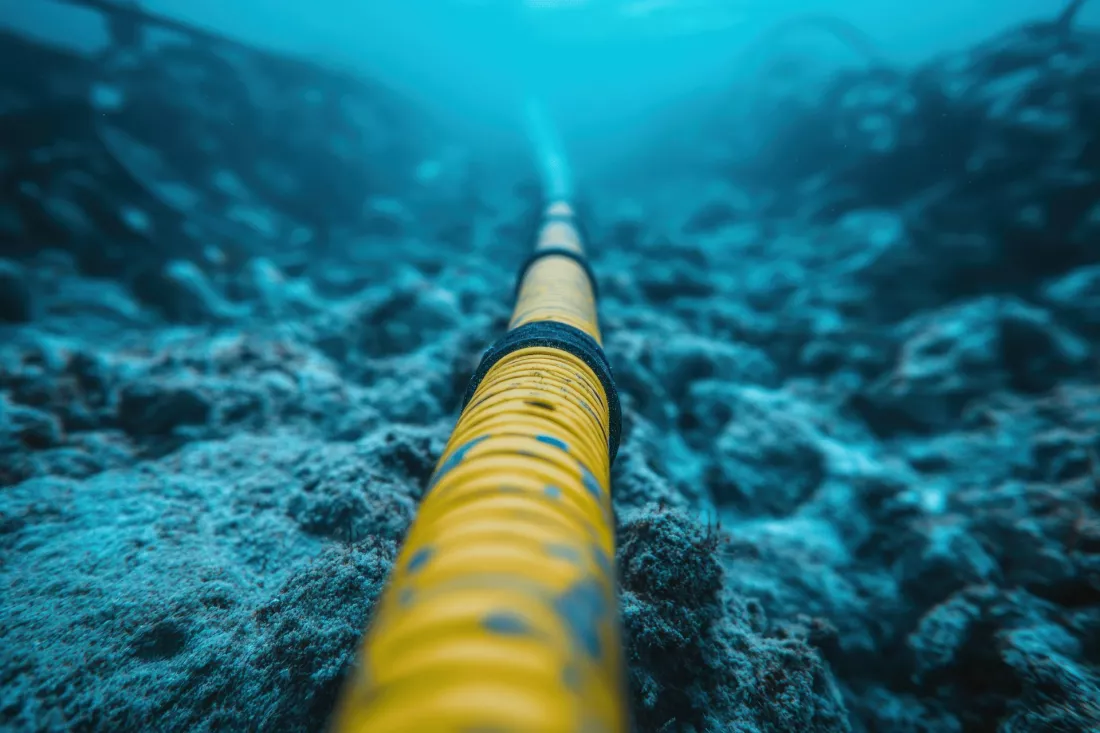
Beneath the oceans lie more than 1.3 million kilometres of fibre-optic cable, and roughly 95% of the world’s internet and voice traffic runs through them. For decades that glass had exactly one job: moving data. Then researchers realised that the same fibre also registers every tremor of the seabed it rests on. The EU-funded SUBMERSE project turned that realisation into a working instrument — and in doing so showed that a new research tool is sometimes just infrastructure nobody had thought to listen to, which is exactly the kind of eye you can test at the end.


 EN

 CS
 DE
 ES
 FR
 HU
 IT
 PL
 PT
 РУ
 SK
 TR
 УК
 AR
 中文