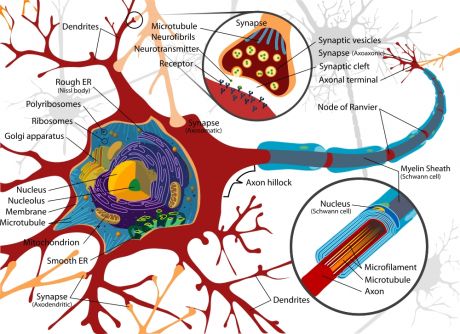
The regenerative capacity of the adult brain is limited and decreases with age. An EU-funded project is investigating the mechanisms of senescence-related changes in the stem cells in the brain.

European researchers are working on a new class of antibiotics that will hopefully address the problem of antibiotic resistance.
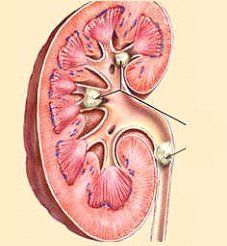
Chronic kidney disease (CKD) affects more than 50 million people worldwide. Already impacting health care budgets, its prevalence is slated to rise due to associated epidemics such as obesity, hypertension and diabetes.
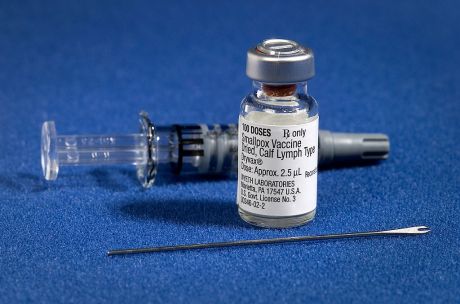
Vaccine development is a lengthy and costly process largely dependent on trial and error. Better tools are needed to evaluate vaccine effectiveness and correlate it with immunity particularly for those diseases for which immune responses conferring protective immunity are unknown, such as malaria.
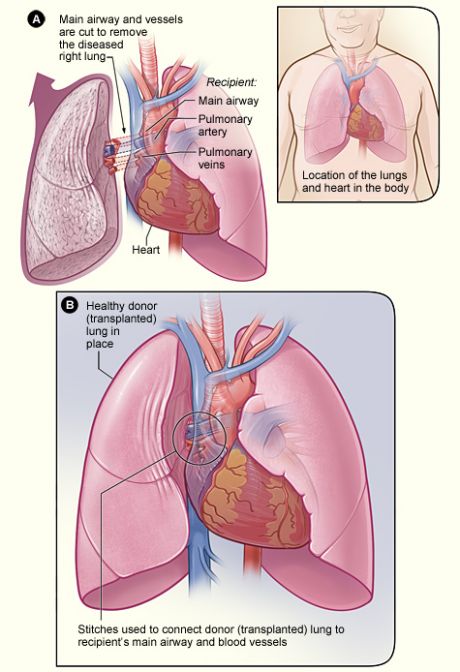
European scientists developed a novel clinical mathematical tool capable of interpreting a particular molecular signature and predicting the outcome of lung transplantation (LT).
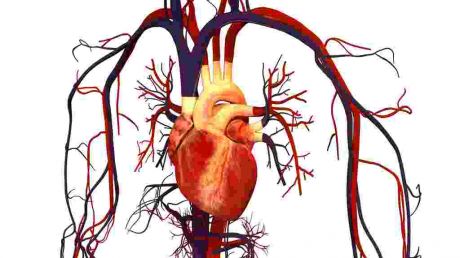
A European consortium is testing the efficacy of a cell therapy approach for the treatment of acute myocardial infarction (AMI).
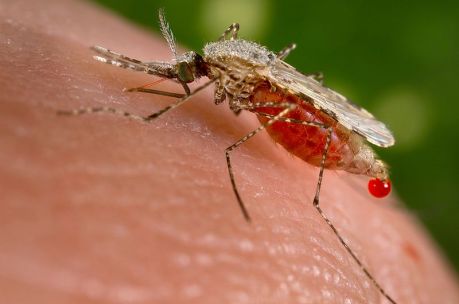
A European study pursued a new avenue in the design of drugs against malaria: it explored gene translation in the parasite Plasmodium falciparum as the target.
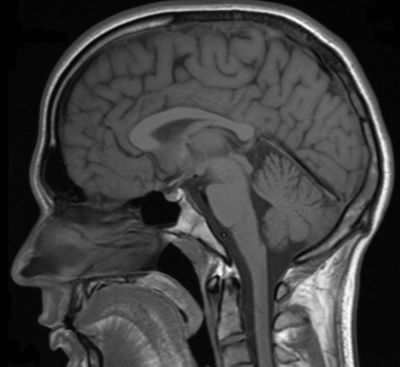
Mapping the complex interaction of brain, spinal cord, blood and cerebrospinal fluid (CSF) is required to unveil the dynamics of the brain in health and disease.

Obesity has become a major health issue, and the EU has prioritised the design of healthier foods to control the phenomenon.
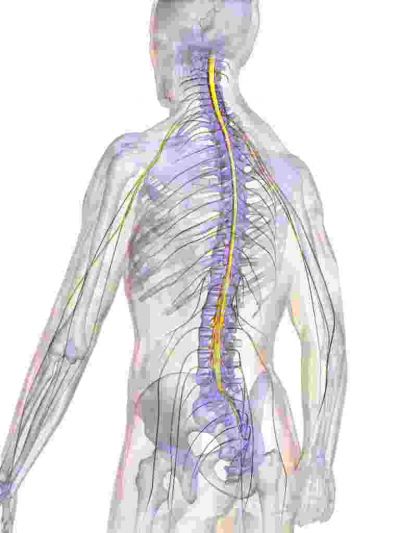
Regenerative medicine is a rapidly evolving field that steps in when traditional medicine fails. With the use of stem cells and growth factors, the regenerative approach promises to heal even spinal cord injuries.

Nanoparticles (NPs) can accumulate in spleen, gut, liver and brain, as observed in fish as environmental species. An EU-funded project investigated accumulation and toxicity of silver citrate and titanium oxide NPs using a cell culture model.

Traumatic brain injury (TBI) is one of the leading causes of death and disability worldwide and the technology for rapid diagnosis and treatment necessary to improve prognoses is lacking. A novel point-of-care diagnostic helmet is set to change that.
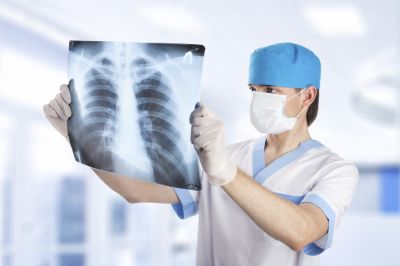
Tuberculosis represents one of the major medical challenges in history. Although curable for decades, improper treatment has led to the emergence of multi-drug resistant bacteria.
Anaemia, associated with chronic kidney disease, is a serious complication affecting millions of European patients. Using anticalin scaffolds, an EU-funded study aims to develop a novel therapy for tackling anaemia.
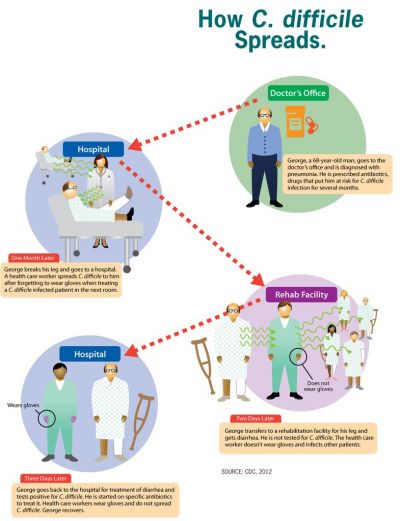
Characterisation of the bacterial cell wall is central to understanding their virulence and discovering potential therapeutic targets. In this context, European scientists identified a novel group of enzymes that could be targeted to inhibit infections.

An EU-funded project is working to enhance personalised medicine by fostering more collaboration between researchers and funders.
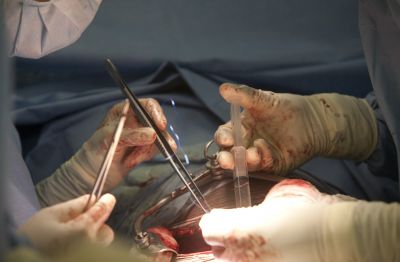
Delayed graft function (DGF) is a condition that often follows organ transplantation. A novel antibody treatment may prevent graft rejection following transplantation by targeting DGF.
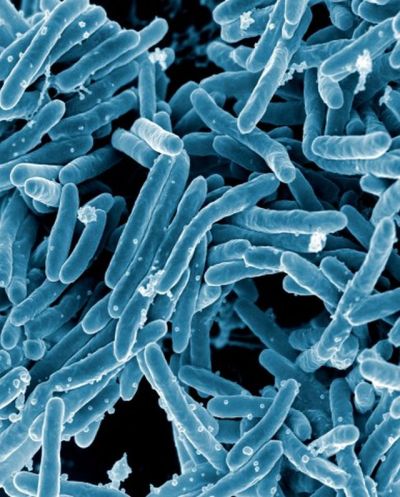
Tuberculosis (TB) is a re-emerging global health threat affecting one third of the world population. Understanding the mechanisms of pathogenesis, virulence and persistence of Mycobacterium tuberculosis (MTb) infection will enable addressing it in a more efficient manner.
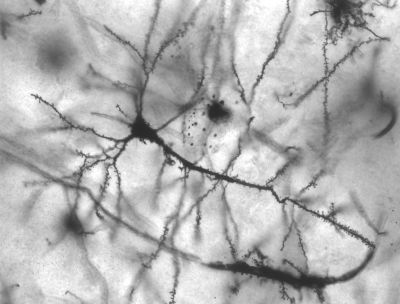
European researchers investigated the structure of neurons in normal and abnormal conditions. Their work focused on the localisation and modification of ion channels, which are vital for proper signal transmission.
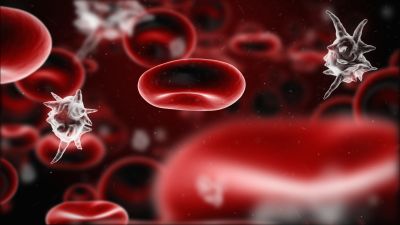
Sepsis causes annually up to 135 000 deaths in Europe, and rapid diagnosis is the key to improved survival. Combining pathogen collection from whole blood using ultrasonic sound waves and photoluminescent DNA detection technology promises to make this a reality.
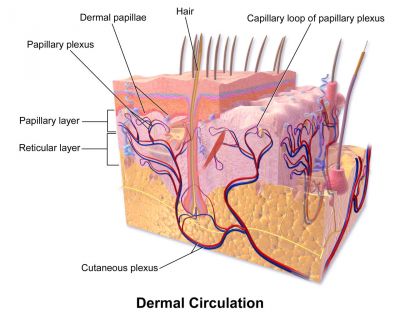
European researchers are working to understand the pathways that govern skin homeostasis and repair. This information is vital for treating skin injuries.
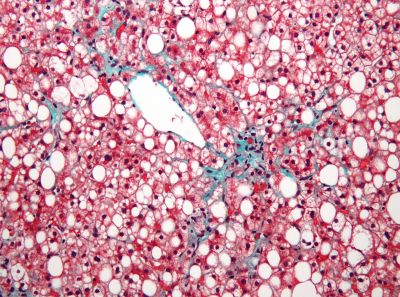
The prevalence of metabolic disorders and their co-morbidities is increasing at an alarming rate. To improve diagnosis and therapy, new biomarkers are urgently needed.
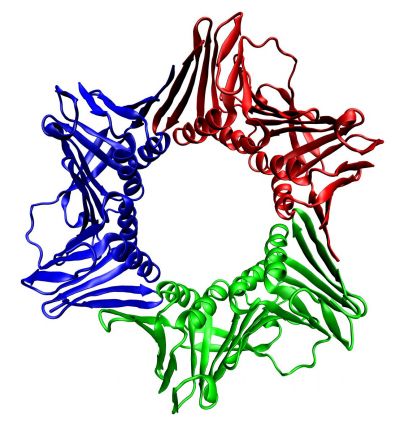
Proteins assume a complex 3D structure after manufacture in order to achieve their final functionality. Advanced spectroscopic methods shed light on cellular quality control mechanisms with atomic resolution.

A European study is testing a novel drug formulation for the treatment of a debilitating eye infection. It is also raising awareness about the risks of wearing contact lenses and the importance of prompt diagnosis of eye infections.

The continuous drive towards miniaturisation is fuelled by the many advantages this can deliver. But it requires a tremendous amount of know-how, quality and precision to develop and manufacture ever-tinier optoelectronic components of increased functionality compared to larger predecessors.


 EN
EN 
 CS
CS DE
DE ES
ES FR
FR HU
HU IT
IT PL
PL PT
PT РУ
РУ SK
SK TR
TR УК
УК AR
AR 中文
中文