Chinese and European researchers joined forces to develop novel miniature devices for the biomedical field. Exploiting nano-patterning and microfluidics, the plethora of systems and applications promises to revolutionise analytics and delivery of minute amounts of fluids.

A species of tropical marine cyanobacteria, Lyngbya majuscula, is the source of nearly 300 natural products. Some of them may help in the treatment of cancer, diabetes, HIV and Alzheimer's disease.
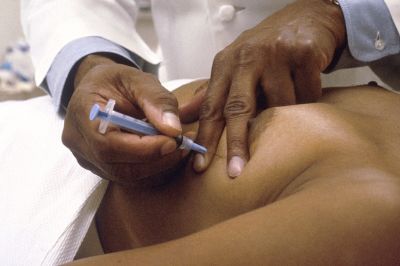
Prostate cancer is the second most common cancer in men. Realising high-throughput image analysis solutions for prostate cancer should improve the overall accuracy and speed of diagnosis.

Muscles have a unique resistance to cancer and metastasis. Is it possible to learn the resistance mechanism and use it for anticancer therapies?
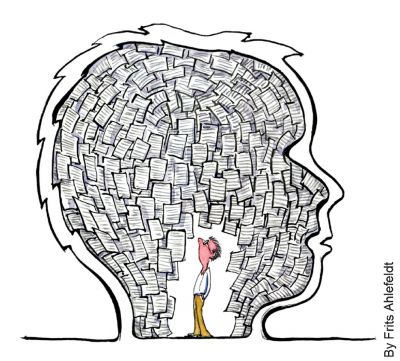
An EU-funded project is building an international consortium to design medical uses for wireless networks and information and communication technologies (ICT).

Marine organisms being studied by European scientists are a source of novel compounds that could revolutionise the biomedical sector. The first products have been developed for innovative applications.

Researchers have designed new software tools that will enhance the engineering of drugs.
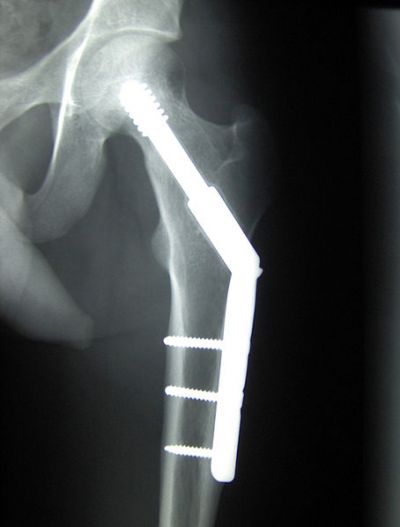
Bioceramics are materials made of alumina or hydroxyapatite, a calcium phosphate mineral. They can be used in the body to replace a functional part like bone material, hips or knees.
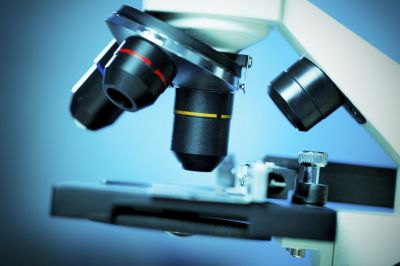
Characterising the interaction of bacteria with the human body should lead to a deeper understanding of human biology and improve our overall well-being.
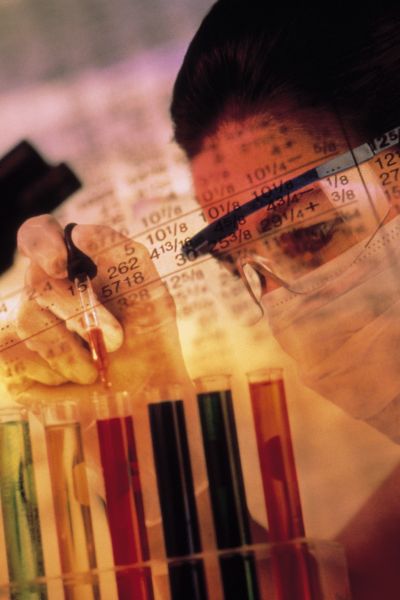
Antibiotic resistance is proving to be a major challenge for modern medicine. To overcome this, innovative solutions for screening new drugs and interventions are required.
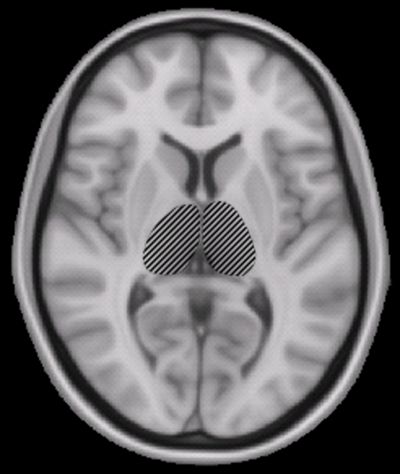
Crucial for survival, spatial memory is the formation and recall of objects and their location in space. Research is delving into the areas of the brain responsible and in particular, the extent of lateralisation – right or left brain-centred.
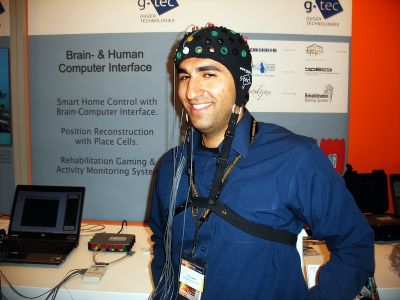
People with serious physical disabilities are unable to do the everyday things that most of us take for granted despite having the will – and the brainpower – to do so. This is changing thanks to European projects such as TOBI (Tools for Brain-Computer Interaction). People with limited mobility can write emails and even regain control of paralysed limbs through thought alone.


 EN
EN 
 CS
CS DE
DE ES
ES FR
FR HU
HU IT
IT PL
PL PT
PT РУ
РУ SK
SK TR
TR УК
УК AR
AR 中文
中文