Clinical trials offer hope of new treatment for complicated bone injuries.
The EU funded POLYACT project applied textile fabrication principles to the production of microactuators, offering a range of biomedical applications both inside and outside the body.
Through a better understanding of how the HIV virus gets past the body’s immune defence, EU-funded scientists hope to be on the path towards a cure.
EU-funded researchers have made significant progress in identifying promising pathways that could lead them towards developing an HIV vaccine.

To understand the physiological and pathological functions of cells, scientists need to study the human proteome. To facilitate these efforts, a high-throughput system for generating special technical resources is required.

Scientists have developed new diagnostics for Crimean Congo Hemorrhagic Fever, making progress towards controlling and predicting the spread of the disease in Europe.
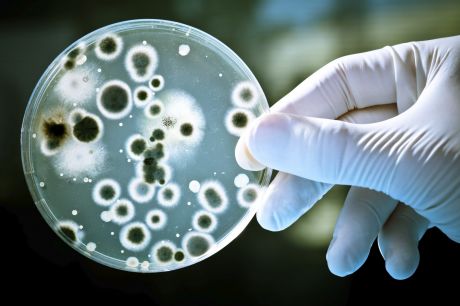
Listeria is the most deadly of the food-borne pathogens with a mortality rate of up to 40 %. EU researchers have worked on control of this bacterium using its natural sensitivity to acid conditions.
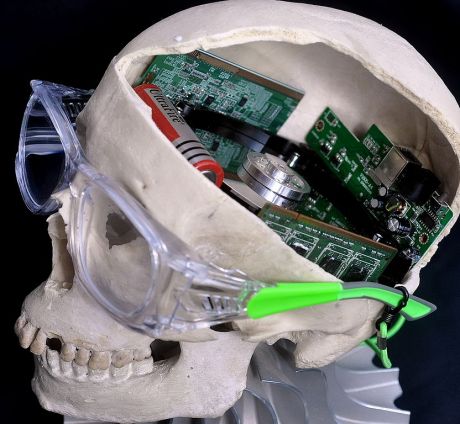
Even normal ageing causes a decline of memory functioning is an indisputable fact. An EU-funded project has evaluated young and old to get information for feeding more reliable computational models of ageing and its effects.

The annual healthcare expenditure in Europe arising from neonatal medical conditions with an acute threat to the brain is currently billions of euros. However, current practice and equipment in this field are far from optimal.
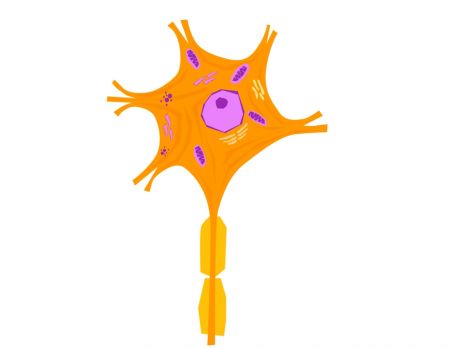
Impaired functioning of parkin (protein) causes Parkinson's disease (PD) but, until now, the cellular mechanisms were unclear. EU-supported scientists are shedding light on the issue with important implications for targeted therapies.
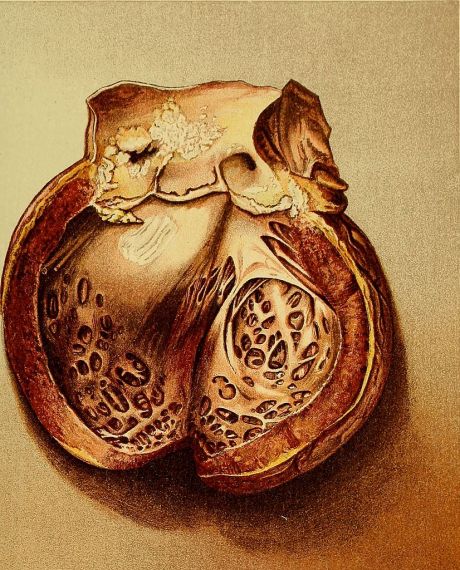
European researchers are investigating a serious morbidity of inflammation, arterial calcification. Their findings could help reduce the incidence of diseases that involve artery blockade such as cardiovascular disease.
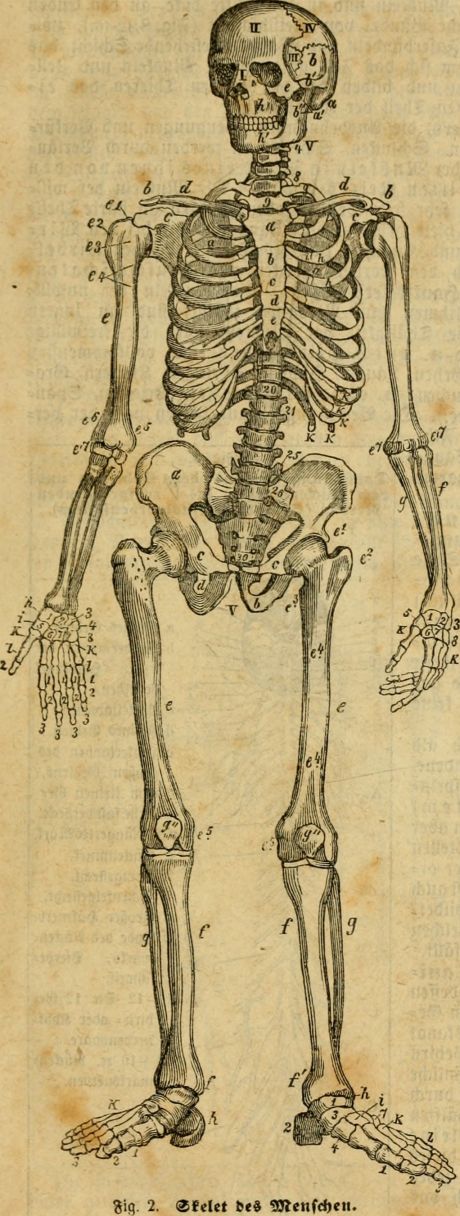
EU-funded researchers have made significant progress in developing realistic whole bone models. These tools could improve treatment and rehabilitation efficacy in patients with fractures or bone disorders.

Metabolic disorders such as diabetes and obesity are reaching epidemic proportions, particularly in developed countries. EU-funded researchers are investigating the role of the retinol binding protein 4 (RBP4) receptor in regulating metabolism.
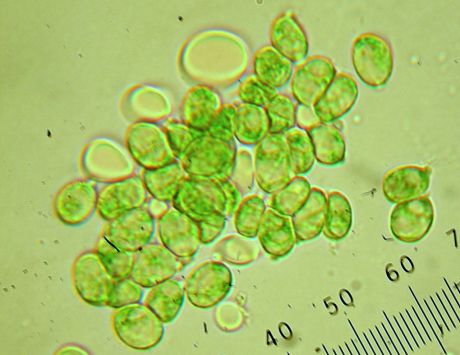
Fungal diseases result in millions of deaths annually, and the emergence of drug resistance to the limited repertoire of currently available antifungal medicines is aggravating this problem. EU funding is enabling researchers to find solutions.
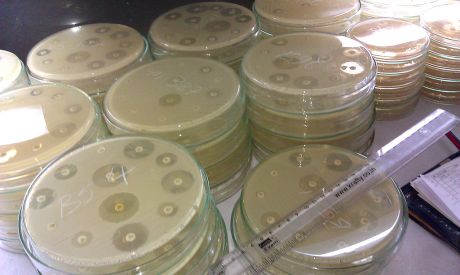
EU-funded researchers worked on building a cheap and simple handheld device that can detect drug-resistant bacteria in a matter of hours rather than days.
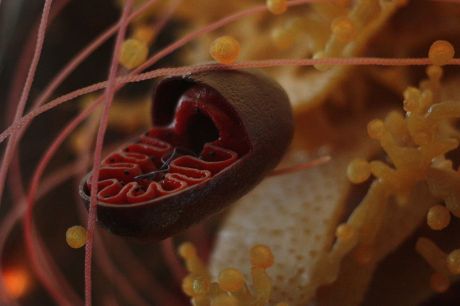
Inkjet printing of a microdroplet containing a single living cell has become a reality. EU-funded partners who made it possible are now developing specific modifications to extend applications and commercialise outcomes.
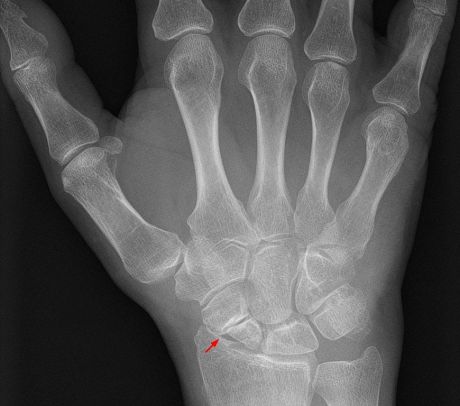
Millions die from road traffic injuries and several millions suffer from non-fatal injuries, with head and leg fractures being the most common injury sustained. Currently available bone implants are inadequate for healing such complex fractures.
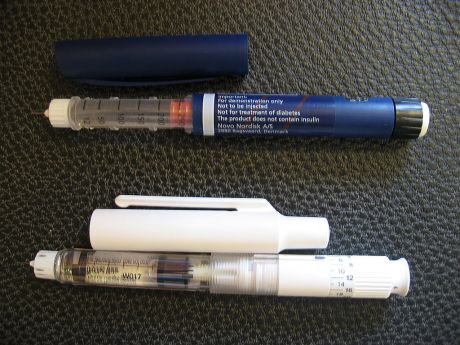
European scientists are working on a new pharmacological intervention on energy metabolism as a new strategy for tackling diabetes.

The number of elderly people in the European population is steadily rising, placing greater demands on health care systems. Age-related conditions such as eye cataract and osteoarthritis need cost-effective treatment solutions.
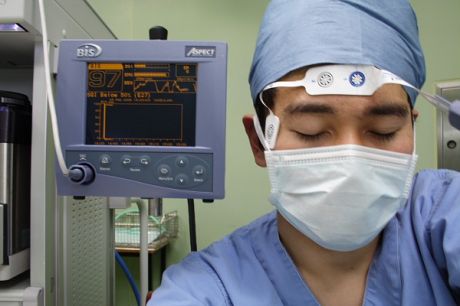
European researchers worked to delineate the mechanism that links metabolic disorders such as obesity and diabetes with cancer.
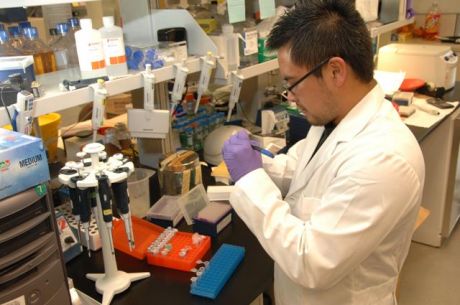
Inflammation helps maintain health, but unresolved inflammatory responses can alter tissue homeostasis and cause disease. European researchers are targeting the physiological mechanisms that resolve inflammation to treat chronic inflammatory conditions.
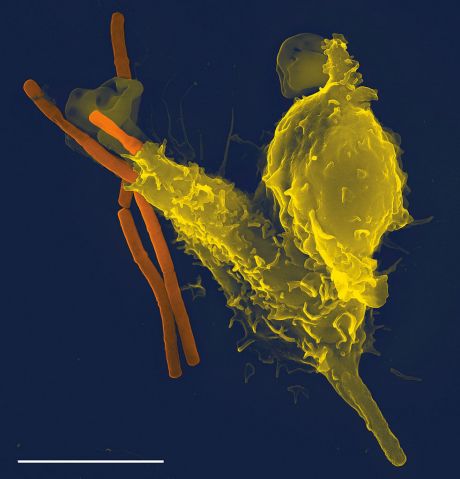
Aberrant immune responses are linked to cancer progression and transplantation rejection. EU-funded researchers worked on targeted immune modulation to improve patient outcomes.

Incidence of vision loss and impairment are increasing with advancing longevity. An EU-funded project worked on developing a system of gene therapy complete with non-viral vectors to address this mounting problem.
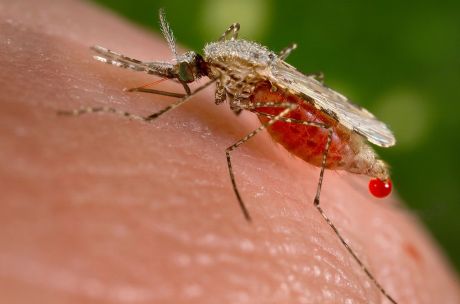
In light of the increased risk of West Nile disease and Chikungunya fever in Europe, scientists developed a proactive approach to anticipate and deal with the threat of these mosquito-borne infections at the EU level.

A normally functioning immune system protects us from infection and is tolerant to innocuous environmental antigens but this is not the case in allergy and asthma patients. EU-funded investigators worked on determining the underlying mechanisms.


 EN
EN 
 CS
CS DE
DE ES
ES FR
FR HU
HU IT
IT PL
PL PT
PT РУ
РУ SK
SK TR
TR УК
УК AR
AR 中文
中文