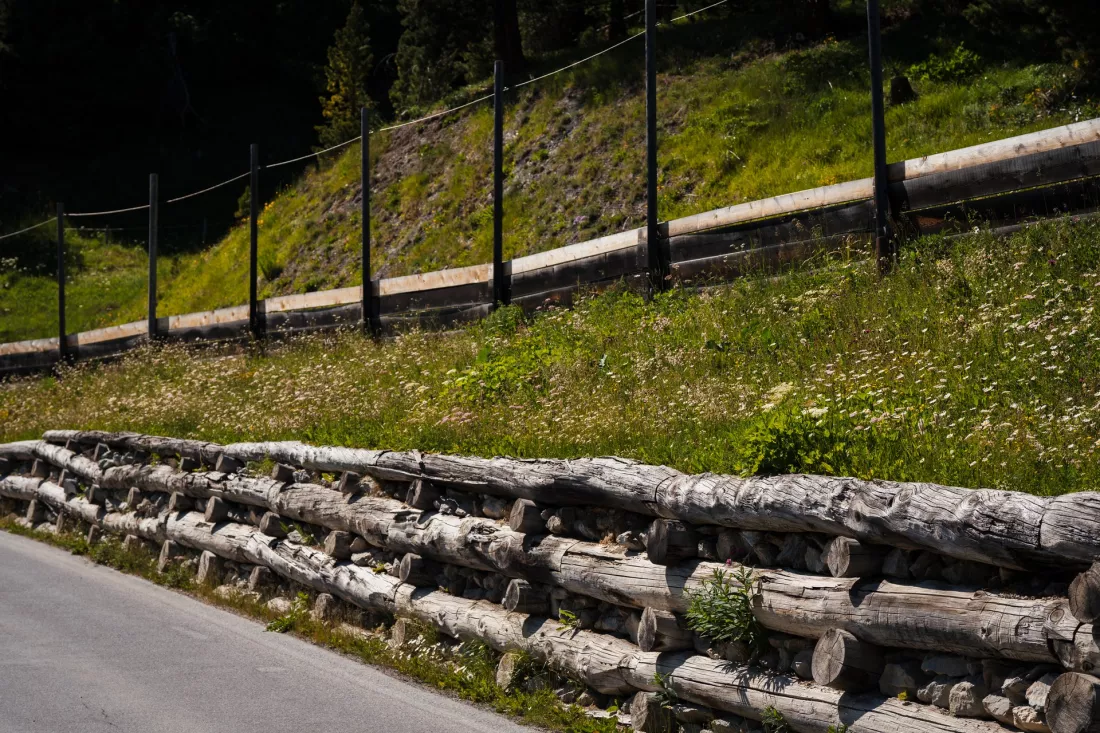
Stabiliser un sol, aujourd’hui, revient à y injecter du ciment, de la chaux ou des cendres volantes, puis à faire venir des engins lourds. Le projet européen CEBREWA a tenté l’inverse et confié le travail à des micro-organismes qui, en se nourrissant, déposent du carbonate de calcium entre les grains et les soudent de l’intérieur. En dix-huit mois, la méthode a quitté la paillasse pour le terrain — restait alors la distance la plus longue, celle qui sépare un résultat de laboratoire d’un chantier, et que cinq questions vous proposent de mesurer sur vous-même.
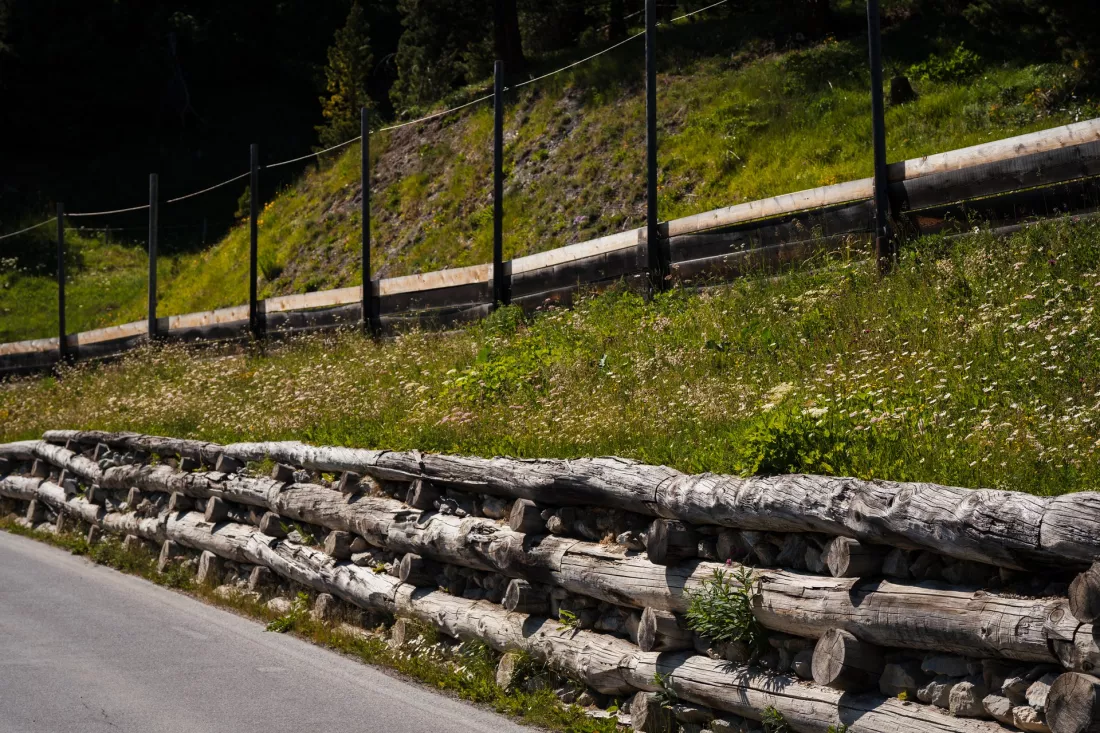
Tenere insieme il terreno è un lavoro invisibile e costosissimo: senza, le strade si sfaldano, gli argini cedono e i pendii finiscono a valle. La risposta è quasi sempre la stessa da decenni: leganti chimici, macchinari pesanti, molta energia. Il progetto europeo CEBREWA ha provato una strada diversa, cioè convincere il suolo a fabbricarsi da solo il proprio cemento con l'aiuto di microrganismi. È una storia che comincia in laboratorio e prova ad arrivare in cantiere - e alla fine puoi vedere quanto sei capace di accompagnare un'idea fino a quel punto.
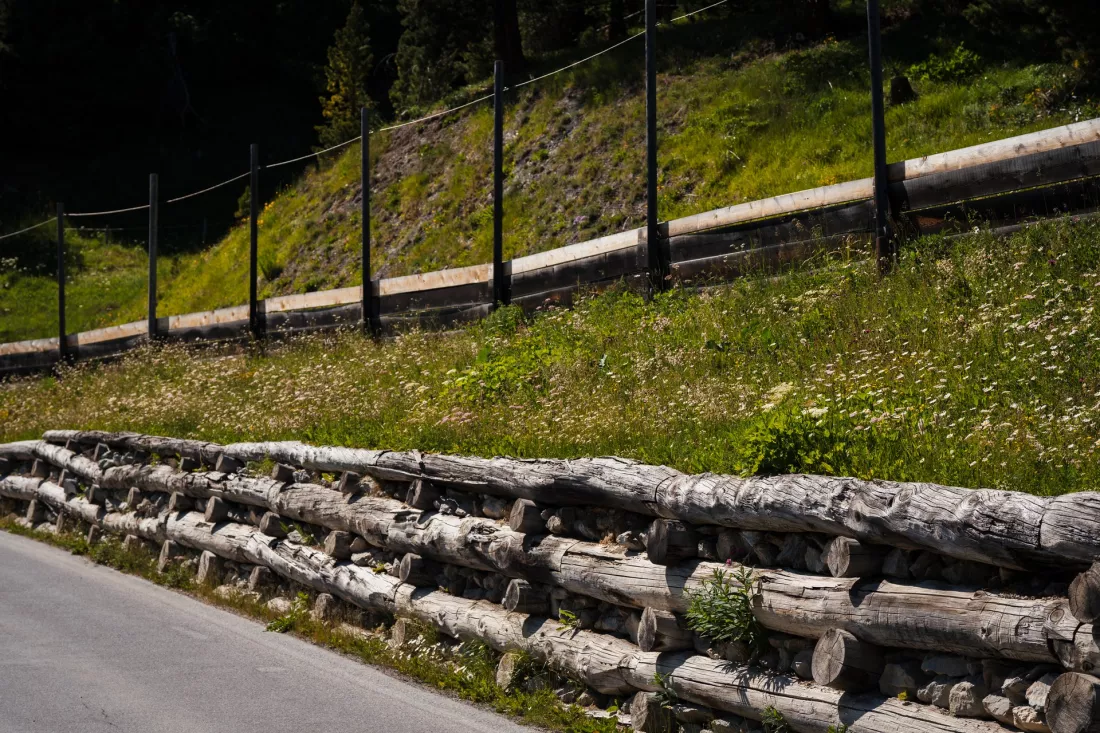
Bakterien als Bauarbeiter: Im Projekt CEBREWA an der EPFL in Lausanne haben Forschende Mikroorganismen in den Boden gebracht, die bei ihrem Stoffwechsel Kalziumkarbonat bilden. Zwischen den Bodenkörnern wachsen Kalkkristalle und verbinden das lockere Material von innen – ohne Zement, ohne Flugasche, ohne schweres Gerät. Vom Labor auf die Baustelle ist es trotzdem ein weiter Weg, und genau der macht die Geschichte spannend – und am Ende kannst du prüfen, ob du eine Idee wirklich bis zur Norm und zum Zertifikat durchziehst.
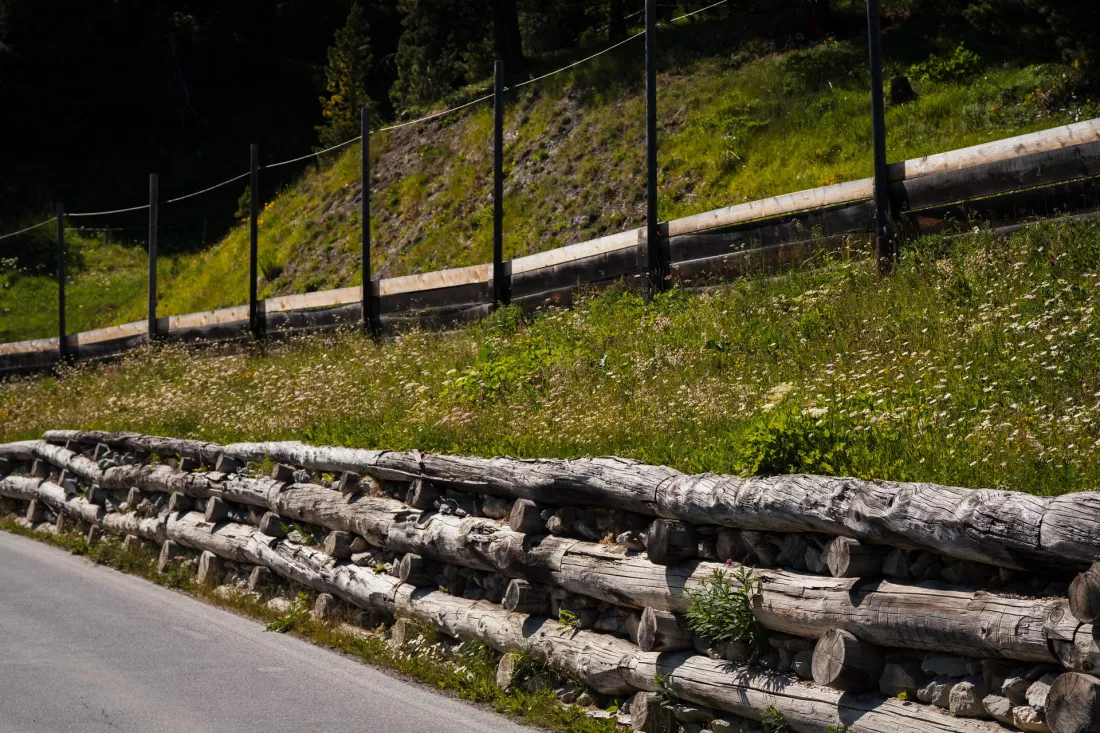
Estabilizar un terreno significa casi siempre maquinaria pesada, presiones enormes y ligantes químicos que el subsuelo no olvida. El proyecto CEBREWA, coordinado en la Escuela Politécnica Federal de Lausana, ensayó otra vía: dejar que unos microorganismos precipiten carbonato cálcico entre los granos del suelo y lo aten desde dentro. Dieciocho meses de pruebas, del poro microscópico al talud a escala real — y, al final, la pregunta de si tú llevarías una idea así hasta la norma y el certificado o la soltarías en cuanto funcionase.
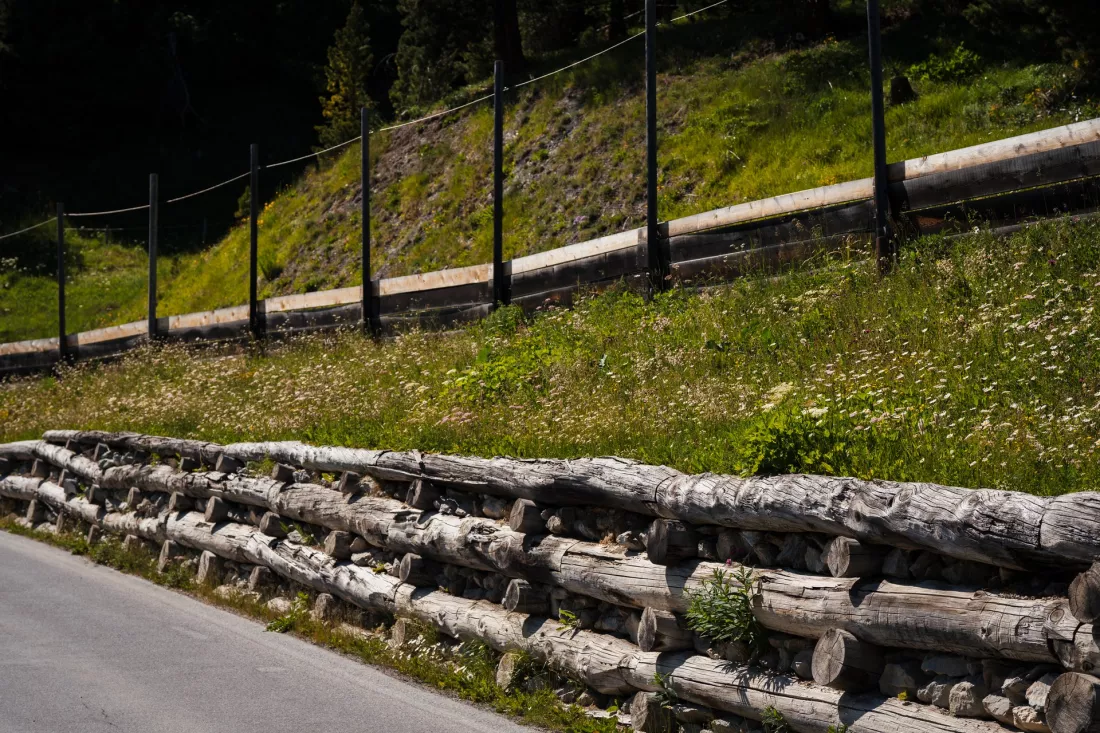
Żeby skarpa nad drogą się nie osunęła, a nasyp utrzymał ciężar, grunt trzeba czymś związać. Zwykle robi się to cementem, wapnem albo popiołem lotnym — skutecznie, ale ciężkim sprzętem i kosztem wód gruntowych. Szwajcarski projekt CEBREWA poszedł inaczej: zaprzągł do pracy mikroorganizmy, które w trakcie swojego metabolizmu wytwarzają węglan wapnia i sklejają nim ziarna gleby od środka. Osiemnaście miesięcy badań pokazało przy okazji, jak daleko jest z laboratorium na budowę — a na końcu możesz sprawdzić, czy sam doprowadzasz pomysły do końca.
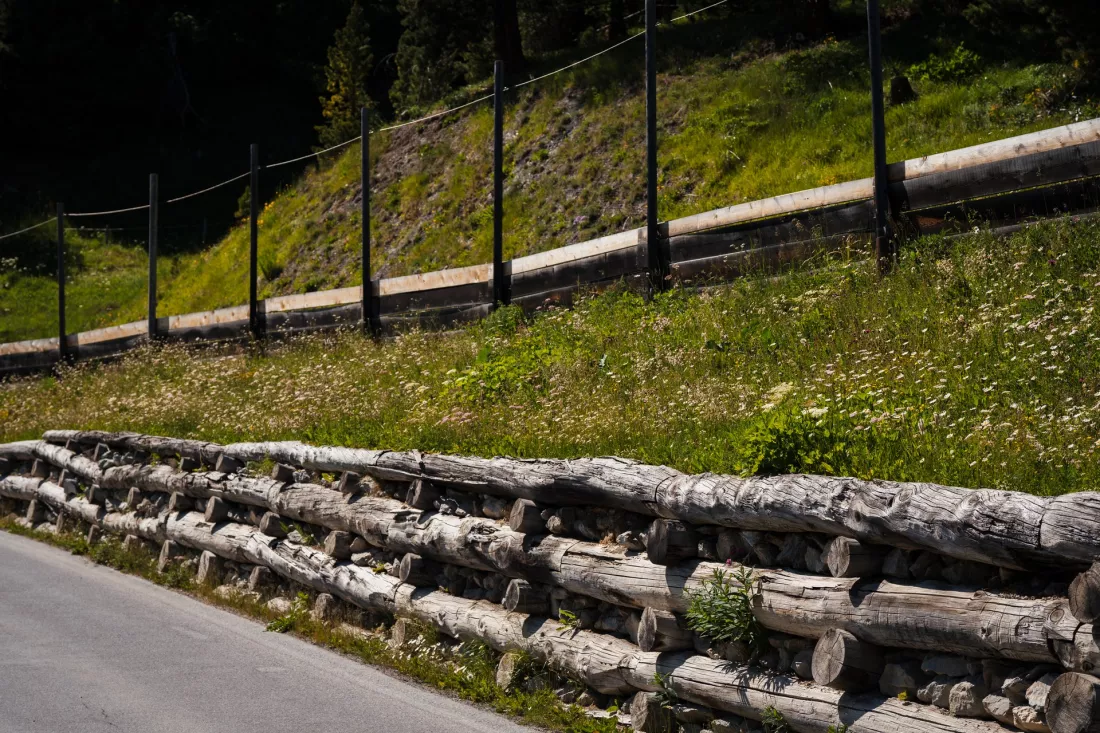
Ground engineering usually starts with a truck full of cement. A Swiss research team asked a different question: what if the soil could bind itself? In the CEBREWA project, microorganisms injected into the ground produce calcium carbonate simply by living, and limestone crystals grow between the grains until loose soil holds together like weak rock. Eighteen months took the idea from a single pore to a full-scale slope — and at the end you can check how far you would carry an idea of your own.
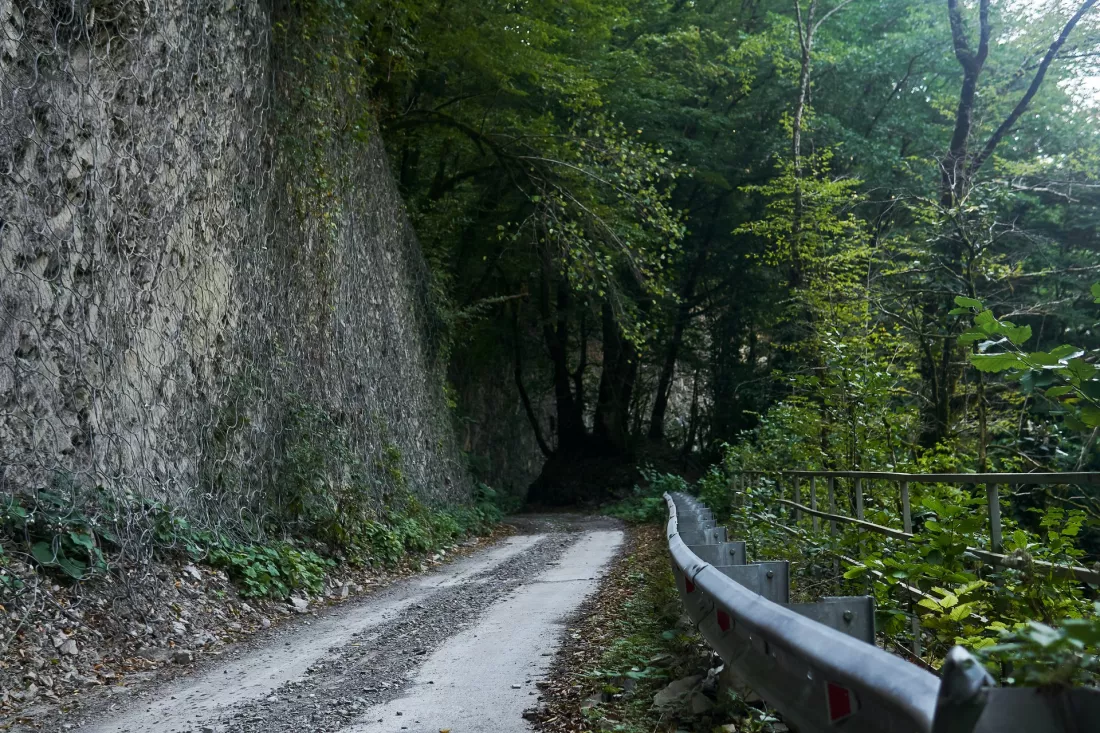
Una strada di montagna, un masso che si stacca dalla parete e un modello che lo insegue come se fosse un corpo unico: è qui che comincia l'errore. In volo la roccia si spezza, e da una sola traiettoria ne nascono molte, con energie e distanze diverse. Il progetto RIDETHERISK, guidato da Maddalena Marchelli al Politecnico di Torino, porta la frammentazione dentro i conti e mostra quanto il pericolo possa essere stato sottovalutato — e alla fine puoi vedere come ragioni tu davanti a un rischio raro ma costoso.
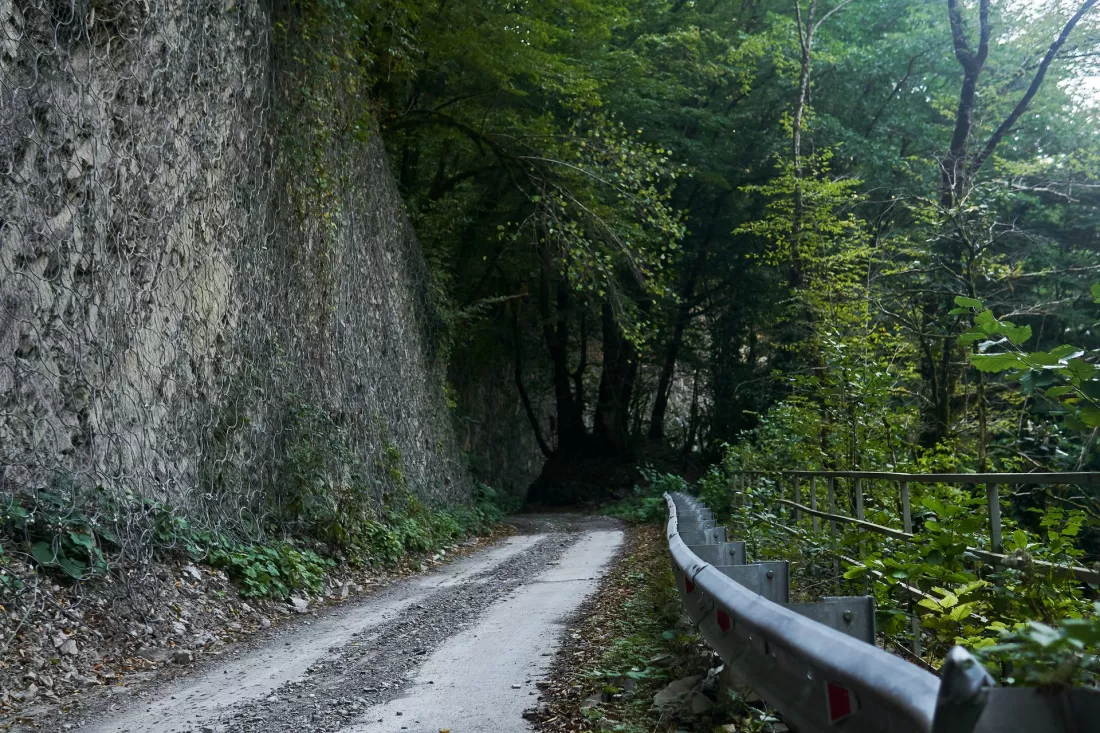
Sur une route de montagne, un bloc qui se détache ne tombe pas toujours d'un seul morceau : il éclate en chemin, et chaque fragment part ensuite avec sa propre trajectoire, sa propre portée, sa propre énergie. Les modèles de risque ont longtemps écarté ce détail, jugé trop compliqué à calculer. Le projet RIDETHERISK, mené à Turin, montre qu'il pèse lourd : ignorer la fragmentation, c'est sous-estimer le danger là où passent les voitures — et, à la fin, cinq questions disent comment vous estimez vous-même un risque rare mais coûteux.
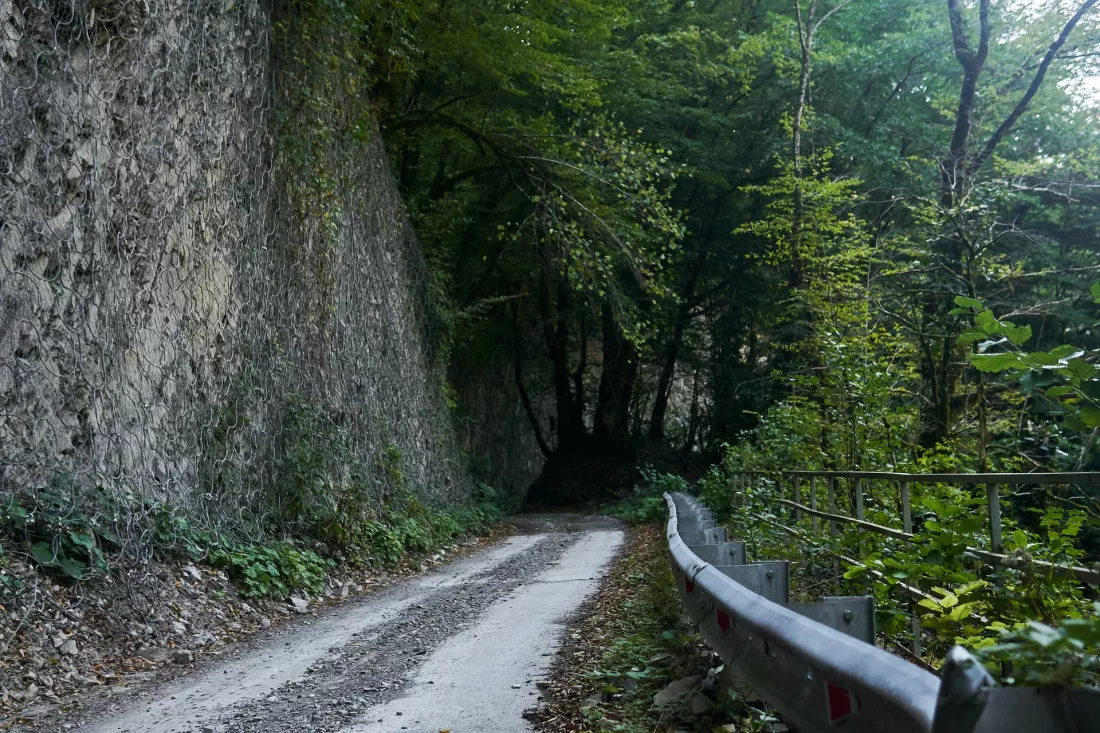
Un bloque se desprende de una pared alpina y cae hacia la carretera. Los modelos clásicos lo siguen como si llegara entero abajo, pero muchas veces se parte por el camino y lo que golpea son varias trayectorias a la vez, con alcances y energías distintas. El proyecto europeo RIDETHERISK, dirigido por Maddalena Marchelli en el Politécnico de Turín, ha construido las herramientas que sí cuentan esa rotura, y de paso deja una pregunta incómoda sobre cómo estimas tú lo que casi nunca pasa.
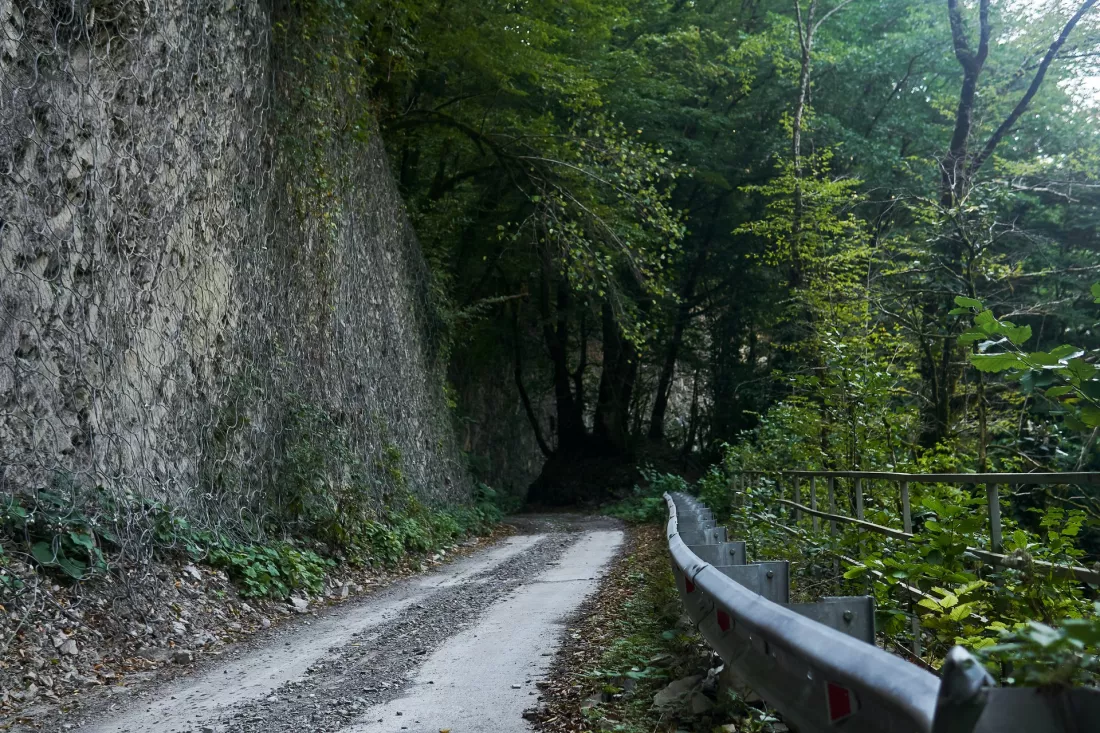
Über fast jeder Gebirgsstraße hängt dieselbe Möglichkeit: Ein Block löst sich aus der Wand, springt den Hang hinunter und schlägt irgendwo auf. Wer dieses Risiko berechnet, nimmt meist an, der Brocken bleibe ein Brocken. Genau das stimmt oft nicht – unterwegs zerbricht er, und aus einer Flugbahn werden viele, mit anderen Reichweiten und anderer Energie. Ein EU-Projekt in Turin rechnet diesen Zerfall jetzt systematisch mit – und wie du selbst mit seltenen, aber teuren Gefahren umgehst, zeigt der Test am Ende.
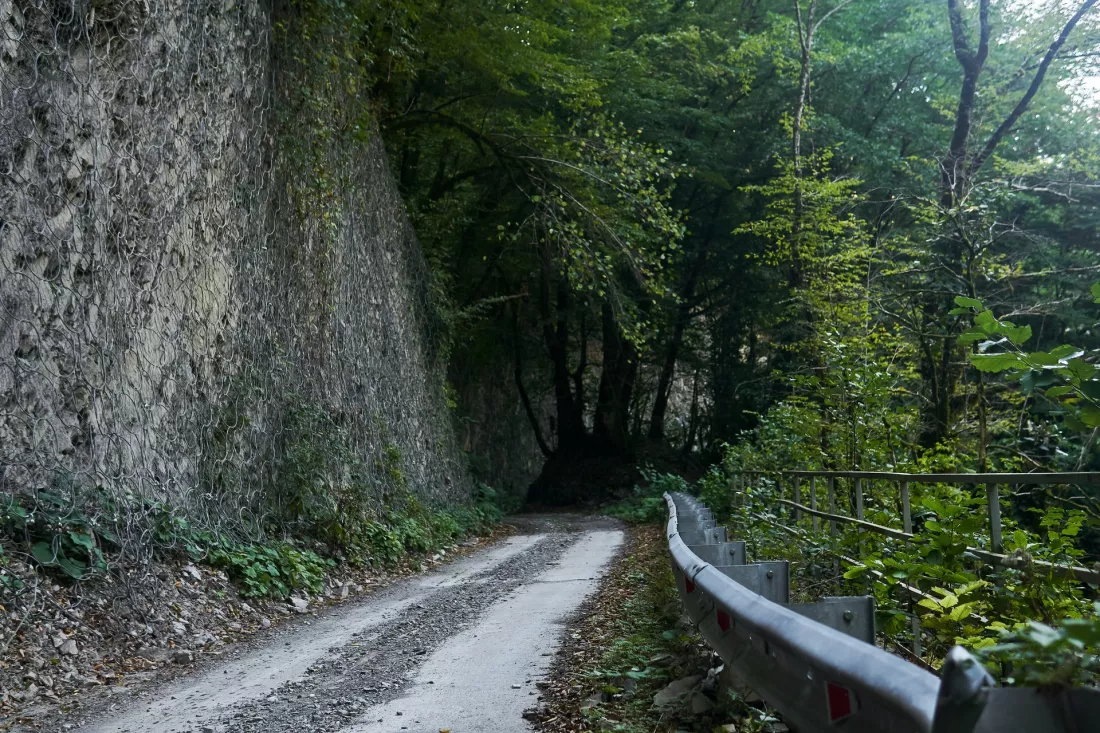
Rising temperatures, melting permafrost and violent storms are loosening mountain slopes, and a block breaking free above a road is no rare event. Engineers long modelled that block as one object on one path — yet it usually shatters in mid-air, becoming a spray of fragments with different reaches and different energies. A project run from Turin rebuilt the calculation around that fact, and the numbers it produces end up being decisions about money and people — and at the end you can check how you handle a risk estimate yourself.

Quante ore passi ogni giorno dentro le applicazioni social? La domanda sembra banale, ma un'analisi di 11 indagini condotte tra il 2014 e il 2024 su circa 183 000 adulti statunitensi ha provato a darle una risposta numerica: il legame tra tempo sui social e sintomi depressivi diventa netto oltre i 150 minuti al giorno. Non è una diagnosi e non vale per tutti allo stesso modo, ma è un punto di riferimento — e alla fine puoi guardare con calma com'è fatta la tua giornata con il telefono in mano.
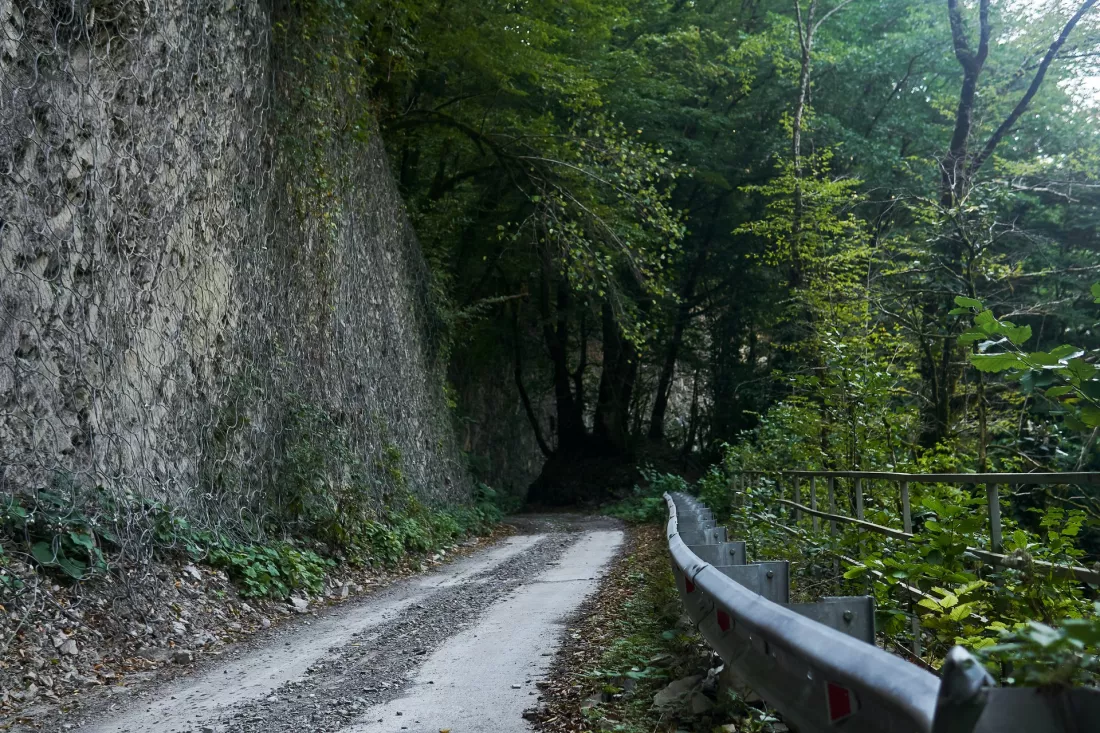
Spadający głaz rzadko dolatuje na dół w jednym kawałku. Rozbija się o półki skalne i z jednego bloku robi się kilkanaście odłamków, które lecą dalej własnymi torami, często dalej i w inne miejsca, niż wskazywałby pojedynczy tor. Inżynierowie długo liczyli tak, jakby ten rozpad nie istniał, bo model bez niego jest po prostu prostszy. Projekt RIDETHERISK z Politechniki w Turynie pokazuje, ile to uproszczenie kosztuje na drodze, którą jeździ się w wakacje — a na końcu możesz sprawdzić, jak sam szacujesz ryzyko.

Personne ne sait vraiment dire à partir de quand le téléphone prend trop de place. Une équipe américaine a cherché la réponse dans les données: onze enquêtes menées entre 2014 et 2024, environ 183 000 adultes interrogés, et un seuil qui revient — 150 minutes par jour. Au-delà, le lien entre les réseaux sociaux et l'intensité des symptômes dépressifs devient nettement plus visible. Ce n'est pas un diagnostic, c'est un repère — et à la fin, tu peux regarder à quoi ressemble ta journée avec ton téléphone.
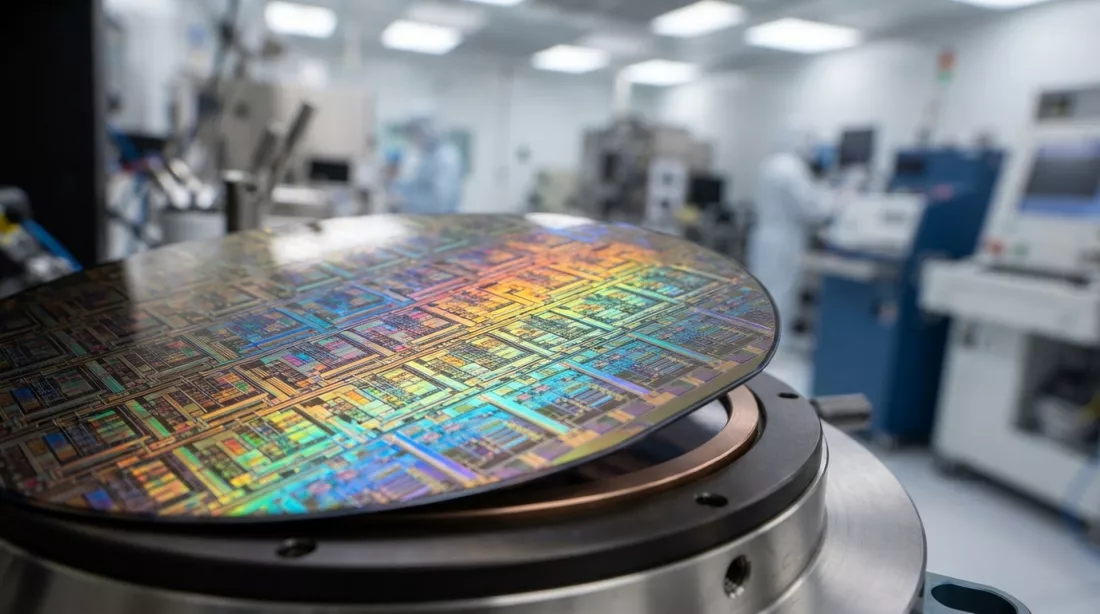
Un disco fisso dura qualche anno, un nastro magnetico qualche decennio. Il DNA conserva informazioni da tempi lunghissimi e ne stipa un'enormità in pochissimo spazio: per questo c'è chi prova a usarlo come memoria. Leggerlo è ormai routine, scriverlo molto meno. Il progetto HYPERION ha sintetizzato 64 sequenze di DNA in parallelo su un normale chip di silicio, in acqua invece che in solventi aggressivi, e l'ostacolo vero si è rivelato altrove — alla fine puoi scoprire se anche tu sai riconoscere il collo di bottiglia giusto.

Casi nadie sabe con exactitud cuánto tiempo pasa deslizando la pantalla, y por eso la pregunta de cuánto es demasiado suele quedarse sin respuesta. Dos universidades estadounidenses le han puesto cifra: tras analizar once encuestas y unos 183 000 adultos a lo largo de una década, el vínculo entre el tiempo en redes sociales y los síntomas depresivos se hace visible por encima de unos 150 minutos al día. No es un diagnóstico ni una prohibición, sino un punto de referencia — y, al final, cinco preguntas sobre tus propios hábitos con el móvil.

Das Handy liegt auf dem Tisch, der Abend zieht sich, und irgendwann kommt die Frage: War das jetzt viel? Forschende der University of Cincinnati und der Northwestern University haben elf Erhebungen aus den Jahren 2014 bis 2024 ausgewertet, rund 183 000 Erwachsene zwischen 18 und 70 Jahren. Herausgekommen ist keine Moralpredigt, sondern eine Zahl, ab der sich in den Daten etwas ändert – und am Ende kannst du nachsehen, wie dein eigener Tag mit dem Telefon eigentlich aussieht.

Licznik czasu ekranowego pokazuje liczbę, na którą łatwiej się skrzywić, niż jej się przyjrzeć. Badacze z Uniwersytetu w Cincinnati i Uniwersytetu Northwestern przeanalizowali 11 ankiet z lat 2014-2024, w których odpowiedzi udzieliło 183 tysiące dorosłych Amerykanów w wieku od 18 do 70 lat, i wskazali konkretny punkt na osi: 150 minut dziennie. Powyżej niego związek między mediami społecznościowymi a nasileniem depresji przestaje być statystycznym szumem — a niżej możesz przyjrzeć się temu, jak wygląda Twój własny dzień z telefonem.

Almost everyone knows the moment: you pick up the phone for one thing and put it down forty minutes later, not quite sure where the time went. Researchers from the University of Cincinnati and Northwestern University went looking for the point at which that habit stops being ordinary. They pooled eleven surveys gathered between 2014 and 2024, covering some 183 000 American adults, and landed on a threshold of around 150 minutes a day – and at the end you can look at how your own day with a phone is actually built.
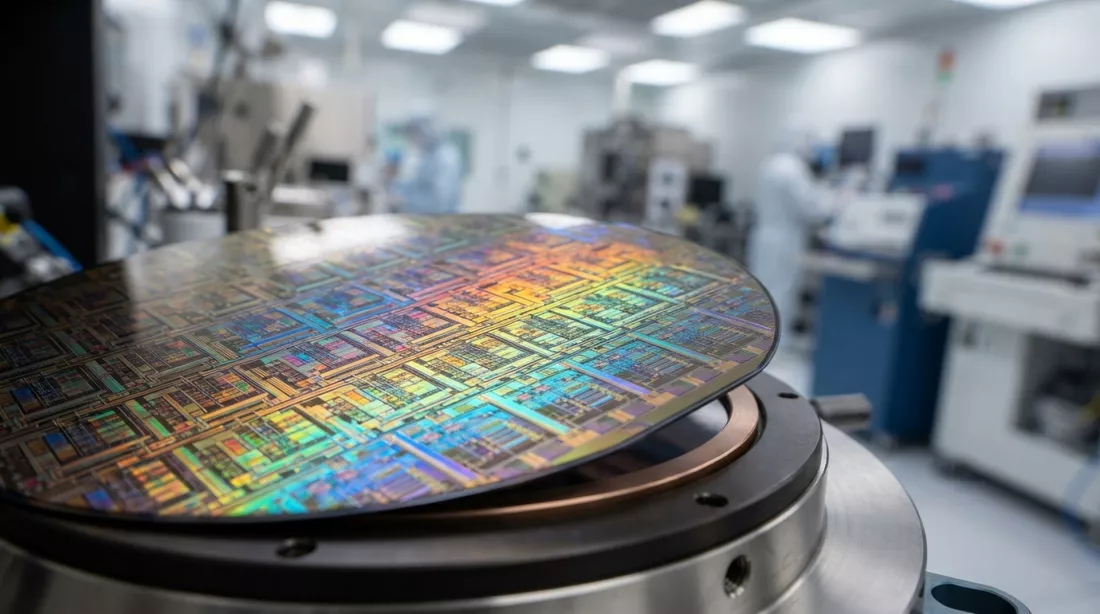
Stocker des films, des archives et des bibliothèques entières dans quelques grammes de matière : l’idée n’est pas neuve, mais elle butait sur une chimie lourde, faite de solvants organiques et de laboratoires spécialisés. L’équipe du projet HYPERION vient d’écrire de l’ADN dans l’eau, sur une puce de silicium ordinaire, 64 séquences à la fois. Le plus intéressant est ce qu’elle a trouvé en chemin : l’obstacle n’était pas là où on le cherchait — de quoi te demander si, face à un problème, tu sais repérer le vrai goulot d’étranglement.


 EN
EN 
 CS
CS DE
DE ES
ES FR
FR HU
HU IT
IT PL
PL PT
PT РУ
РУ SK
SK TR
TR УК
УК AR
AR 中文
中文