A real cat can’t be both alive and dead at the same time, Austrian physicist Erwin Schrödinger said. But quantum physics rewrites the rules, a fact now demonstrated by a team of researchers funded by the EU.
Researchers from the EU-funded RATE project have studied more than one thousand press corps deaths across the world between 2002 and 2013. The results paint a stark warning that the deaths of journalists signal a dangerous slide away from human rights adherence and are a potent sign of growing political repression.
The latest research*eu RESULTS PACK– a collection of articles on EU-funded projects dedicated to a specific field of scientific research – is now available in free, accessible PDF. This brochure focuses on how eGovernment is delivering innovation public services for citizens and businesses alike in the European Union.
Increasing political polarisation in western democracies was starkly highlighted in 2016 with the UK’s vote for Brexit and the election of Donald Trump in the United States. Such polarisation will likely continue to be a key societal factor as 2017 unfolds and consequently, more attention is being placed on a need to understand the scientific and psychological reasons that drive humans to identify enemies based on race, political beliefs and other perceived threats.
Six months on from the UK’s decision to leave the European Union, researchers are still trying to ascertain how and why the Leave campaign was ultimately victorious. In new research partly supported by the EU-funded PHEME and SOBIGDATA projects, 3 million tweets were analysed over a 6-month period that showed immigration was by far the most important issue driving Leave voters.
In a new book, ‘The Bestseller Code: Anatomy of a Blockbuster Novel’, two Stanford academics describe how an algorithm they designed is able to predict, with 80 % accuracy, which new novels will become mega-bestsellers.
With the use of affordable, low-tech femtocells, the EU-funded TUCAN3G project is bringing 3G connection to the otherwise unconnected regions of the world.
A team of US and Israeli researchers, partly funded by the EU, have developed a truly pioneering cinema screen that can show 3D films without the need for glasses.
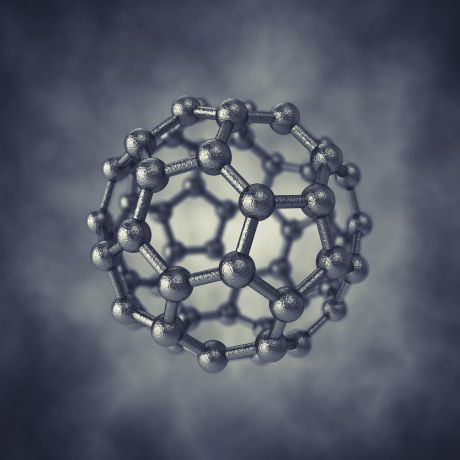
Quantum computation relies on information storage via qubits, or quantum bits. EU-funded scientists are investigating the potential use and physical mechanisms regarding the use of carbon nanotubes (CNTs) for qubit implementation.

As the world prepares to welcome its first exascale machines, bridging the gap between technical breakthroughs in high performance computing (HPC) and their applications in industrial processes becomes a pressing issue. The NUMEXAS project has developed new numerical methods and computer codes with this objective in mind.

A new turbocharged supercomputer marks a breakthrough in computation capability for a wide range of research applications, from climate change to exploration of the human brain.

An EU team has helped to improve computer recognition of human speech. The work involved introducing to computers large amounts of source materials in a pre-structured format, combined with new algorithms allowing auto-structuring.

EU-funded researchers are reviewing the most recent ideas on how to help people understand why observable events with a scientific basis occur the way they do.

Protecting online transactions against hackers often involves a loss of user friendliness. An EU initiative uncovered novel ways to strike a balance between privacy and utility.

More and more geospatial information is becoming integrated into the internet in what has become known as the GeoWeb. An EU initiative helped pave the way to GeoWeb 2.0.
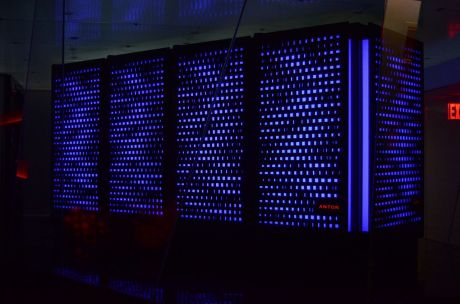
Supercomputers are powerful research tools, but access to these high-performance machines is not open to everyone in the scientific community. An EU initiative provided hundreds of researchers with access to the latest state-of-the-art supercomputing facilities.
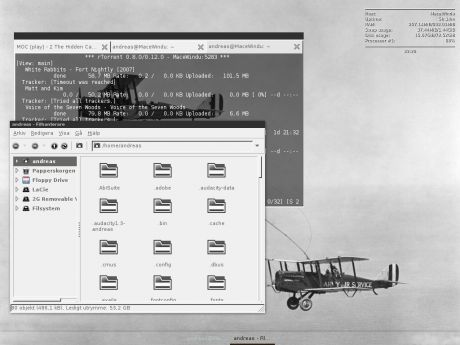
As society increasingly relies on high-quality software, applications need to be as adaptive as possible. EU-funded researchers successfully contributed to the development of sophisticated software systems that can readily adapt in the face of changing user needs and environments.
Integrating provenance-based probabilistic information into the Semantic Web can help revolutionise how digital material can be stored and retrieved.
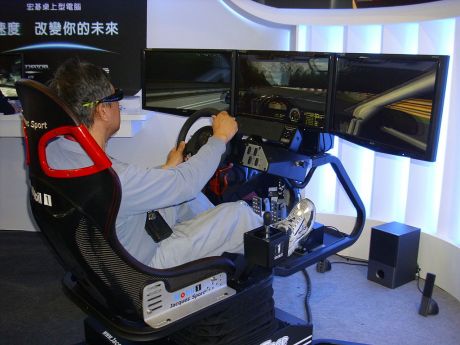
Creating the illusion of depth, stereoscopy offers exciting potential for information visualisation and engaging 3D interactive experiences. An EU-funded project pioneered research on 3D interaction that has hitherto received scant attention.

An EU initiative gathered European researchers to build an advanced digital information space. They offer small businesses the opportunity to better access and leverage online user-generated content.

Fibre optic communication and wireless communication are joining forces to create the next generation of data transfer with faster speeds and enhanced efficiency.
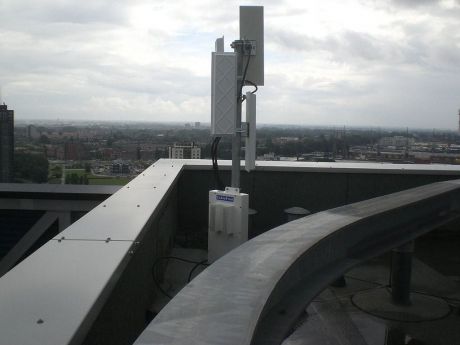
With wireless networks connecting users to information technology devices and to other users, how far behind are wireless interconnects for chips?
Studying the economics of open-source software (OSS) and how it could supersede proprietary software could help Europe innovate while offering cost-effective solutions to users.

With the help of a common collaborative and information sharing platform using the internet, organised crime can be better detected and prevented.
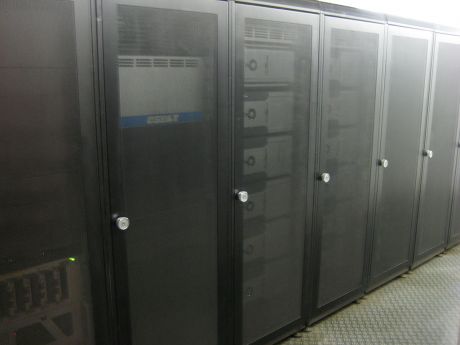
An EU venture established a school offering training in matters affecting data centres. The team defined training needs while also yielding a community communications portal, new funding relationships, plus novel professional standards.


 EN
EN 
 CS
CS DE
DE ES
ES FR
FR HU
HU IT
IT PL
PL PT
PT РУ
РУ SK
SK TR
TR УК
УК AR
AR 中文
中文